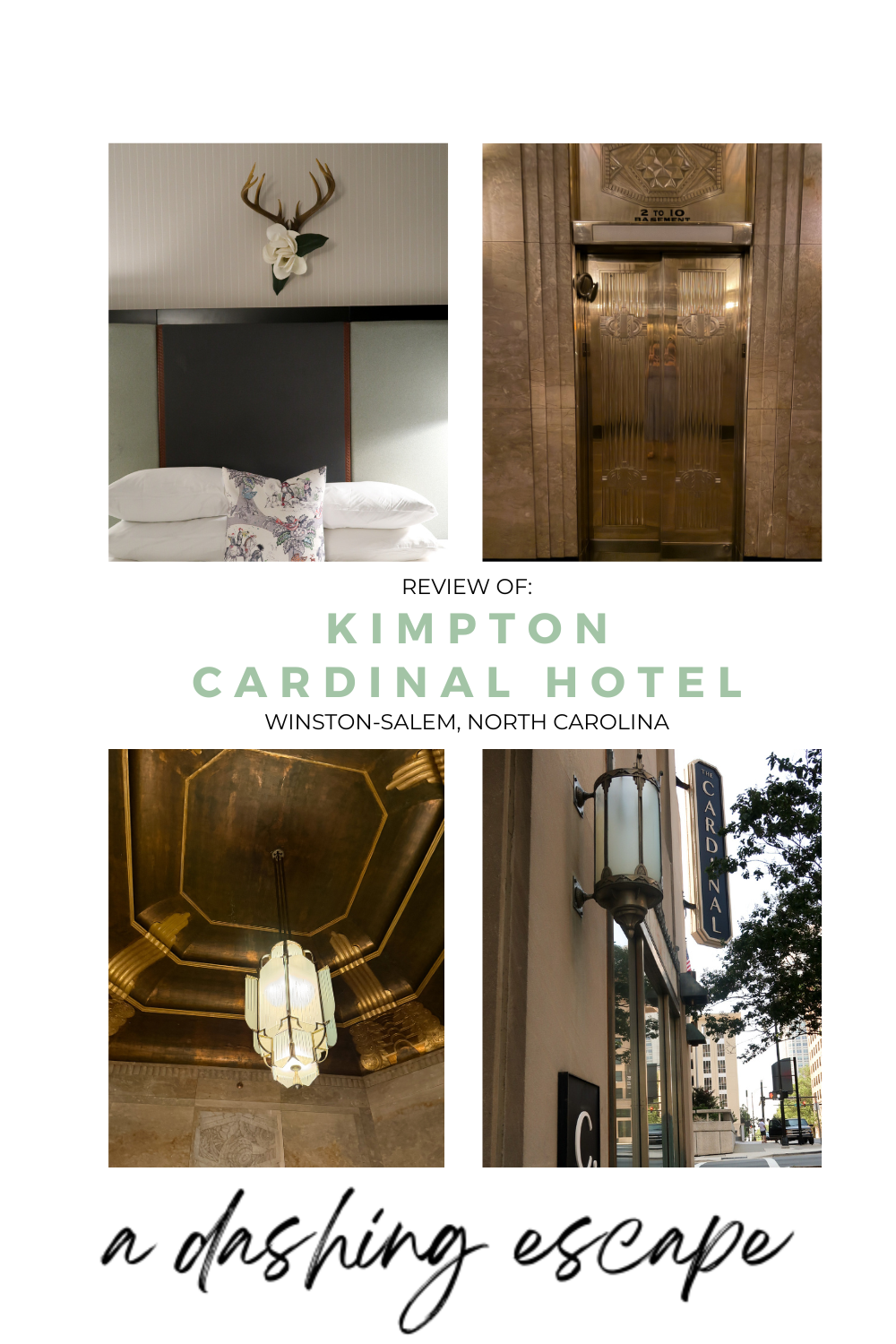
Design as Destination: RJ Reynolds building / Kimpton Cardinal Hotel in Winston Salem, North Carolina
Some people plan trips around landmarks. I plan them around beautiful spaces. Design as Destination is my collection of places where architecture, interiors, and thoughtful details are the main attraction.
Design as Destination: Kimpton Cardinal Hotel, Winston-Salem, North Carolina
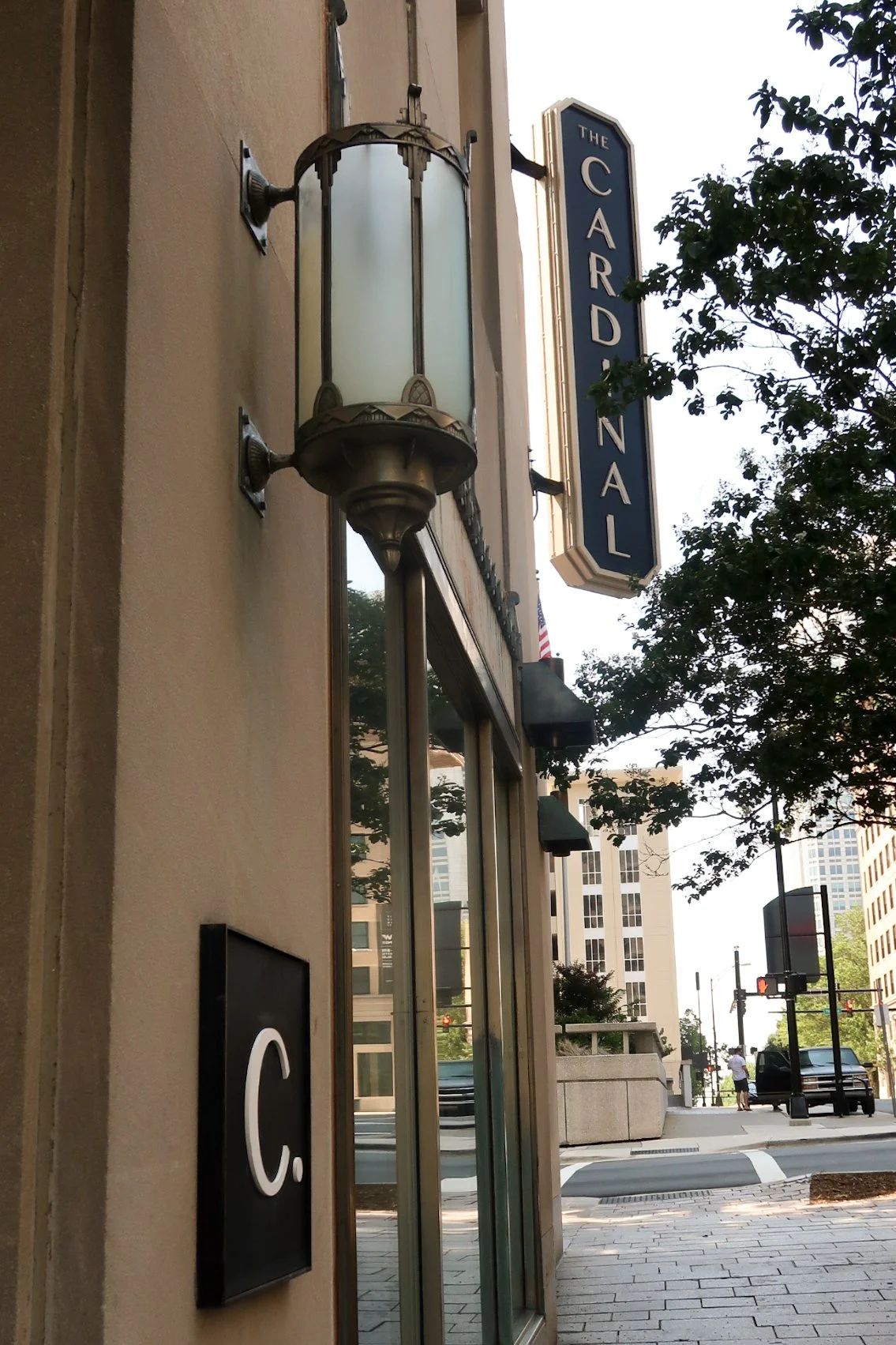
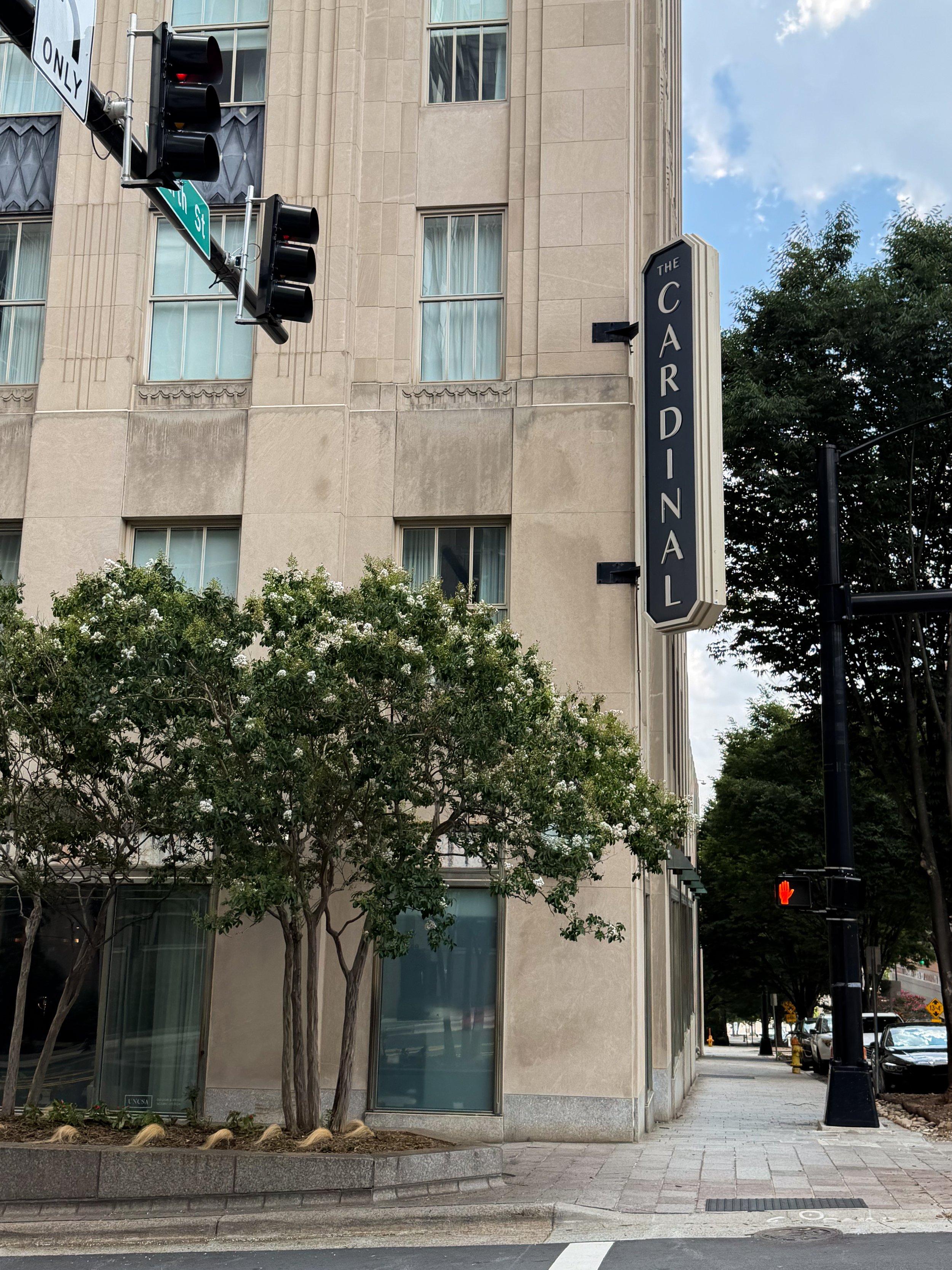
I was drawn to Kimpton Cardinal Hotel in downtown Winston-Salem because of the architecture.
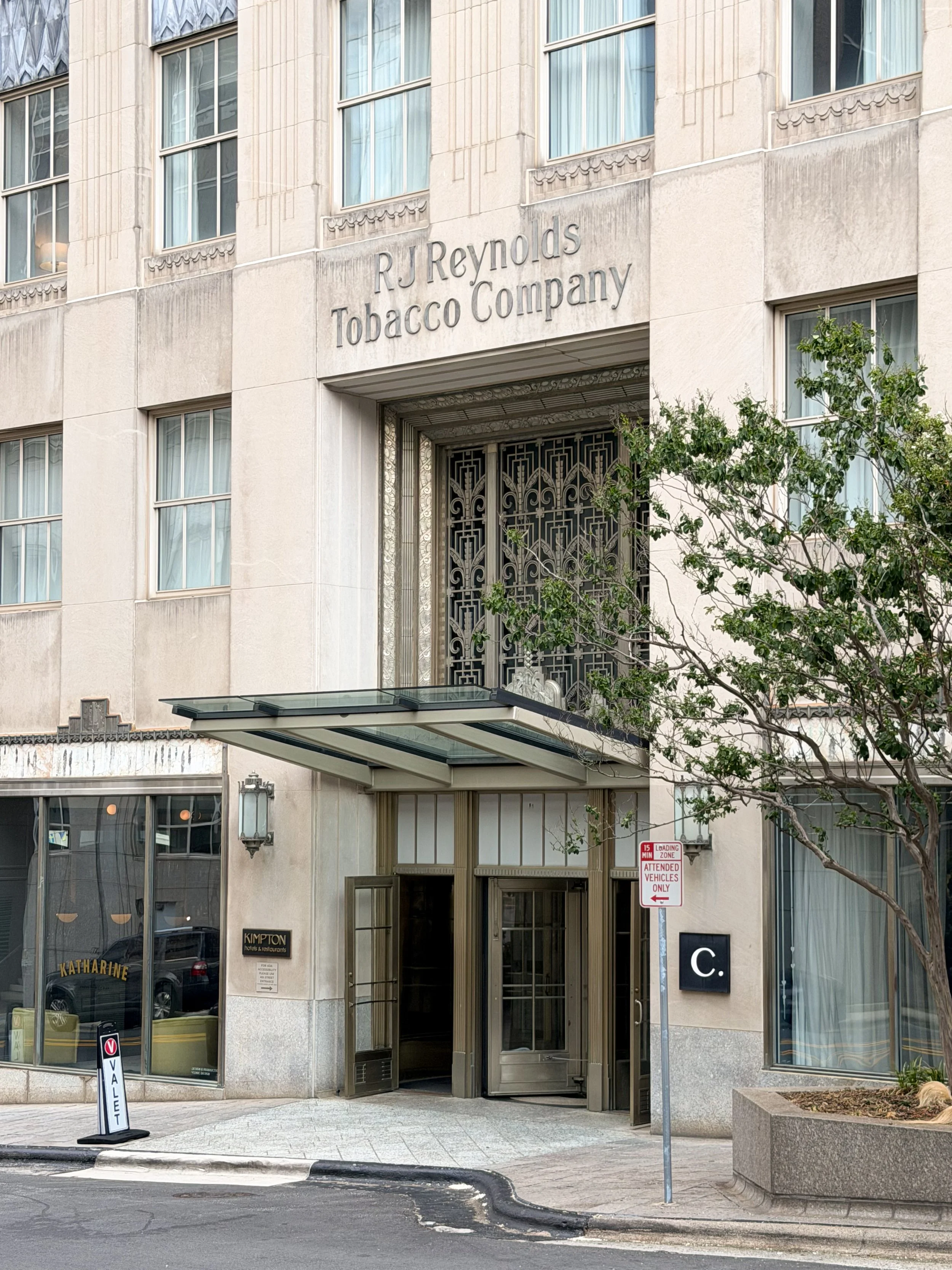
The hotel occupies the former R.J. Reynolds Building, a 22-story Art Deco skyscraper completed in 1929 as the headquarters for the R.J. Reynolds Tobacco Company. At the time, Winston-Salem was one of North Carolina's wealthiest and fastest-growing cities, and the building reflects it.
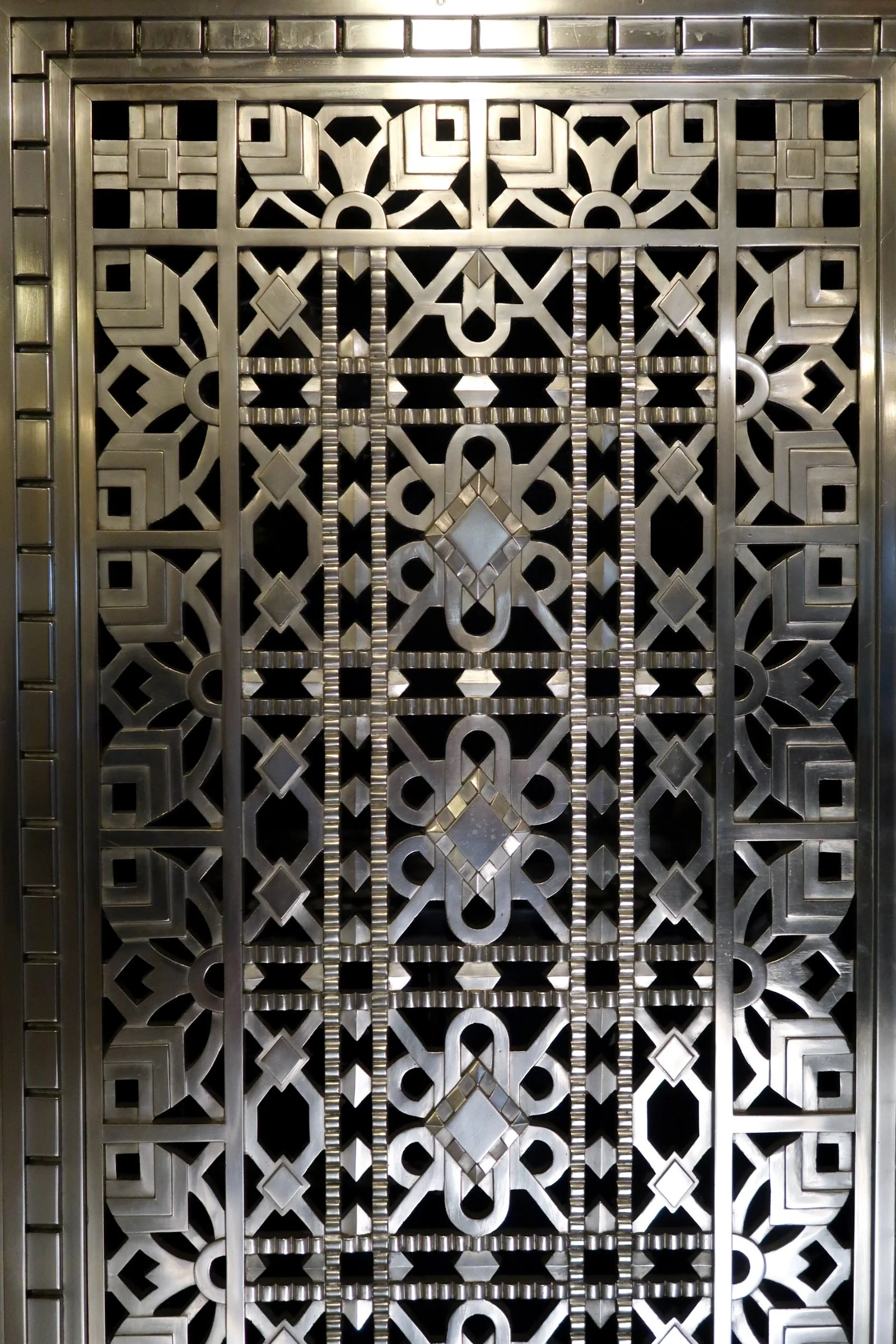
The R.J. Reynolds Building is one of the best examples of Art Deco architecture in the Southeast. Art Deco emerged in the 1920s and celebrated progress, craftsmanship, and modern technology. Rather than relying on ornate historical styles, architects embraced clean geometry, streamlined forms, and luxurious materials.
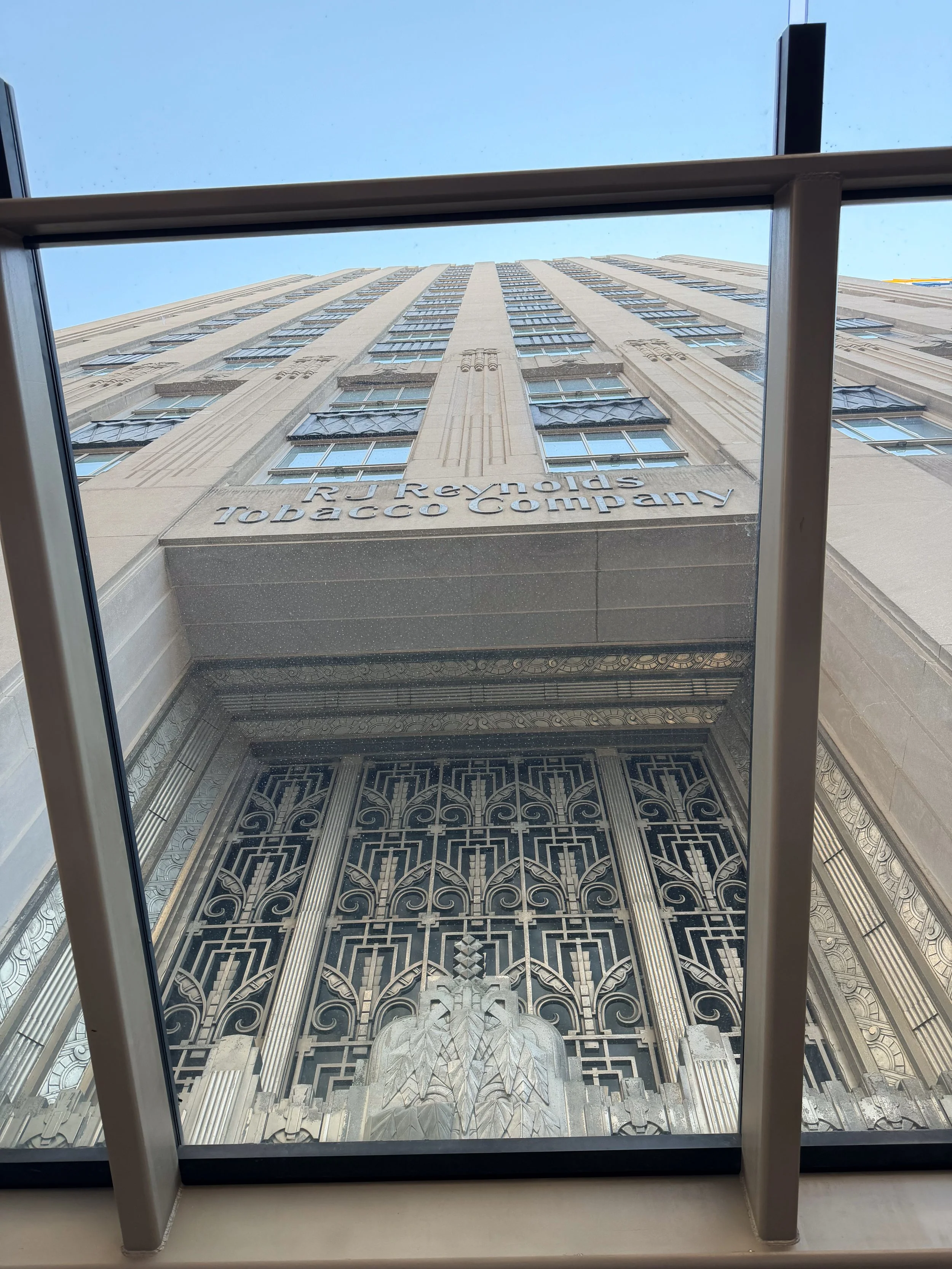
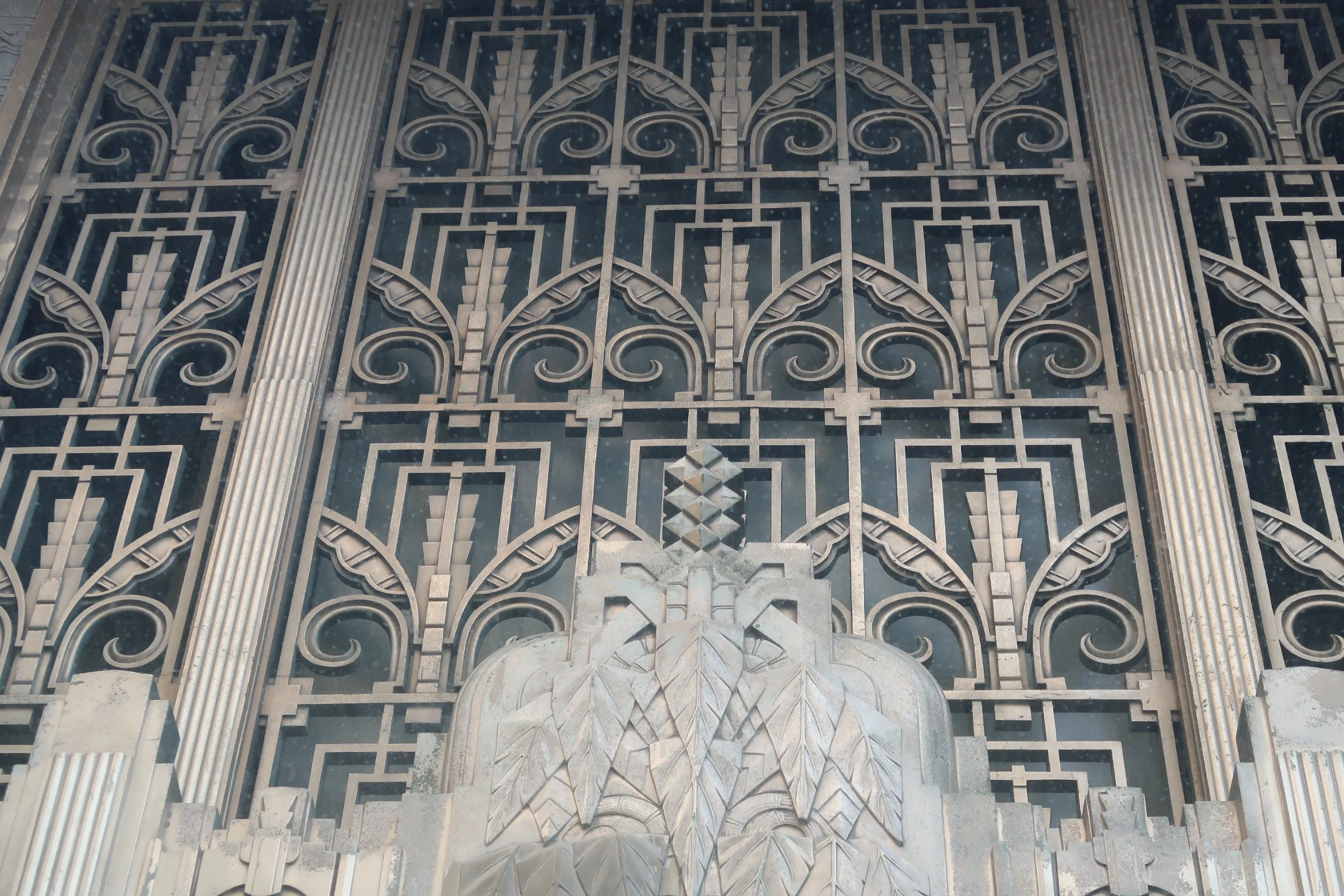
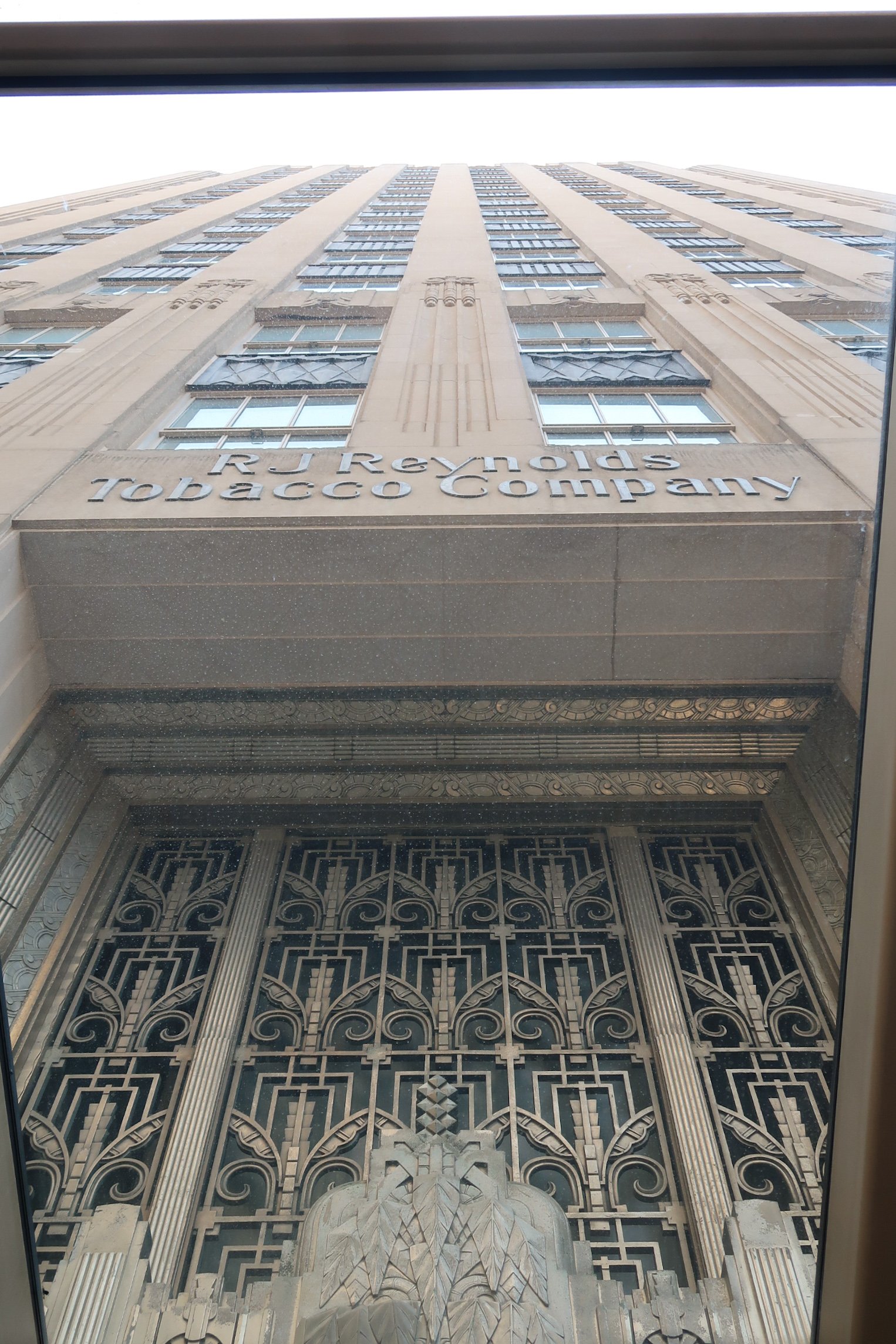
The Stepped Silhouette
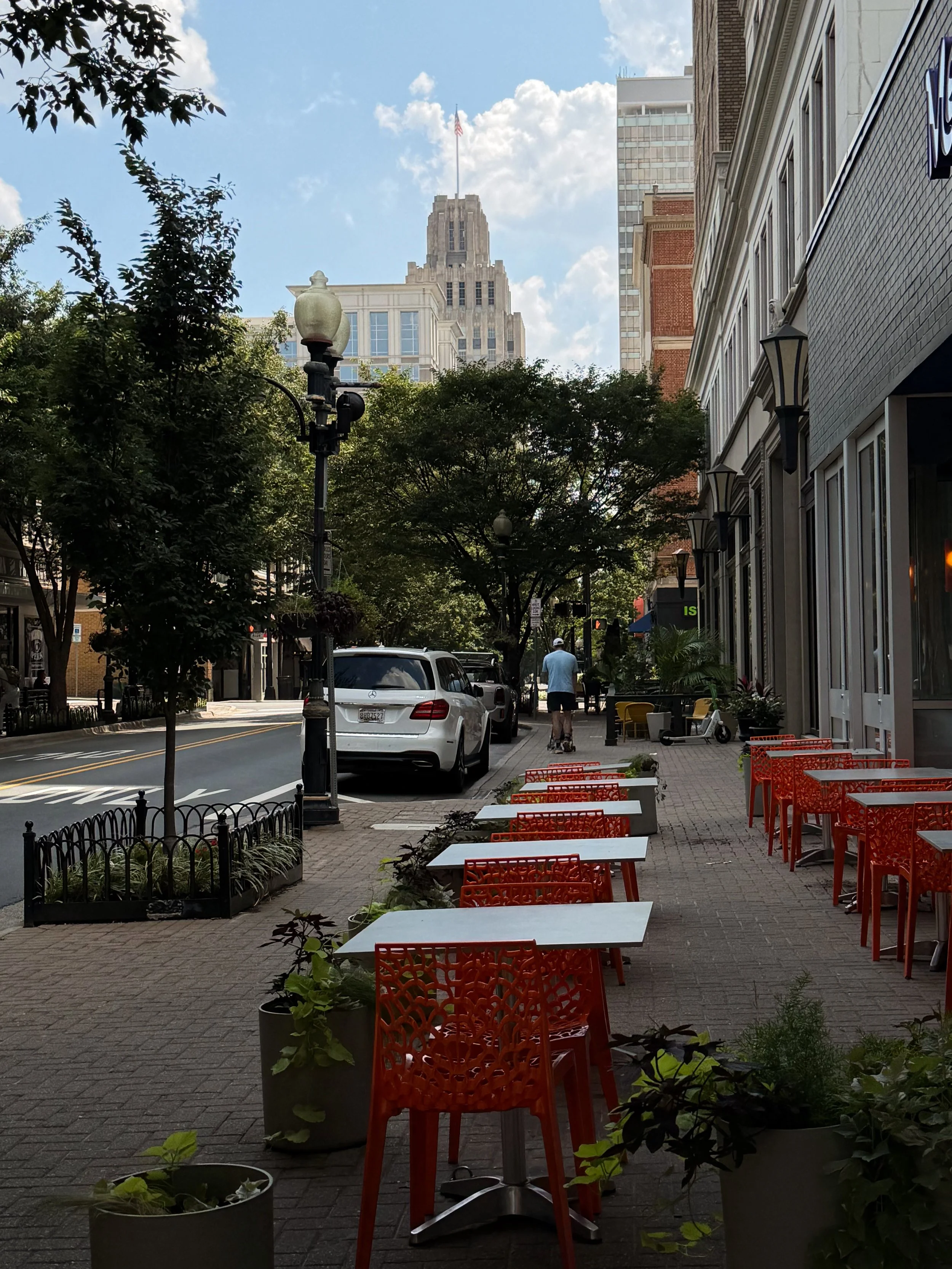
One of the first things you'll notice from outside is the building's distinctive "wedding cake" profile. Instead of rising as one uninterrupted tower, the upper floors step back in stages.
These setbacks weren't simply decorative. They became common after New York City's 1916 zoning regulations required tall buildings to allow more light and air to reach the streets below. While Winston-Salem wasn't subject to those same rules, architect William F. Lamb embraced the emerging skyscraper style, creating a building that feels lighter and more elegant than a sheer vertical wall.
Those graceful setbacks would later become one of the defining features of the Empire State Building. One detail that architecture enthusiasts especially appreciate is that the building was designed by William F. Lamb of Shreve & Lamb (later Shreve, Lamb & Harmon). Lamb went on to become one of the most influential skyscraper architects in the United States, and you can see many of the ideas he refined here before applying them to the Empire State Building.
Because of this "father-son" architectural relationship, the general manager of the Empire State Building did send a one-time 50th Anniversary card to the Reynolds Building in 1979, which read, "Happy Anniversary, Dad."
Today, the building is listed on the National Register of Historic Places and is widely considered one of North Carolina's finest examples of Art Deco architecture.
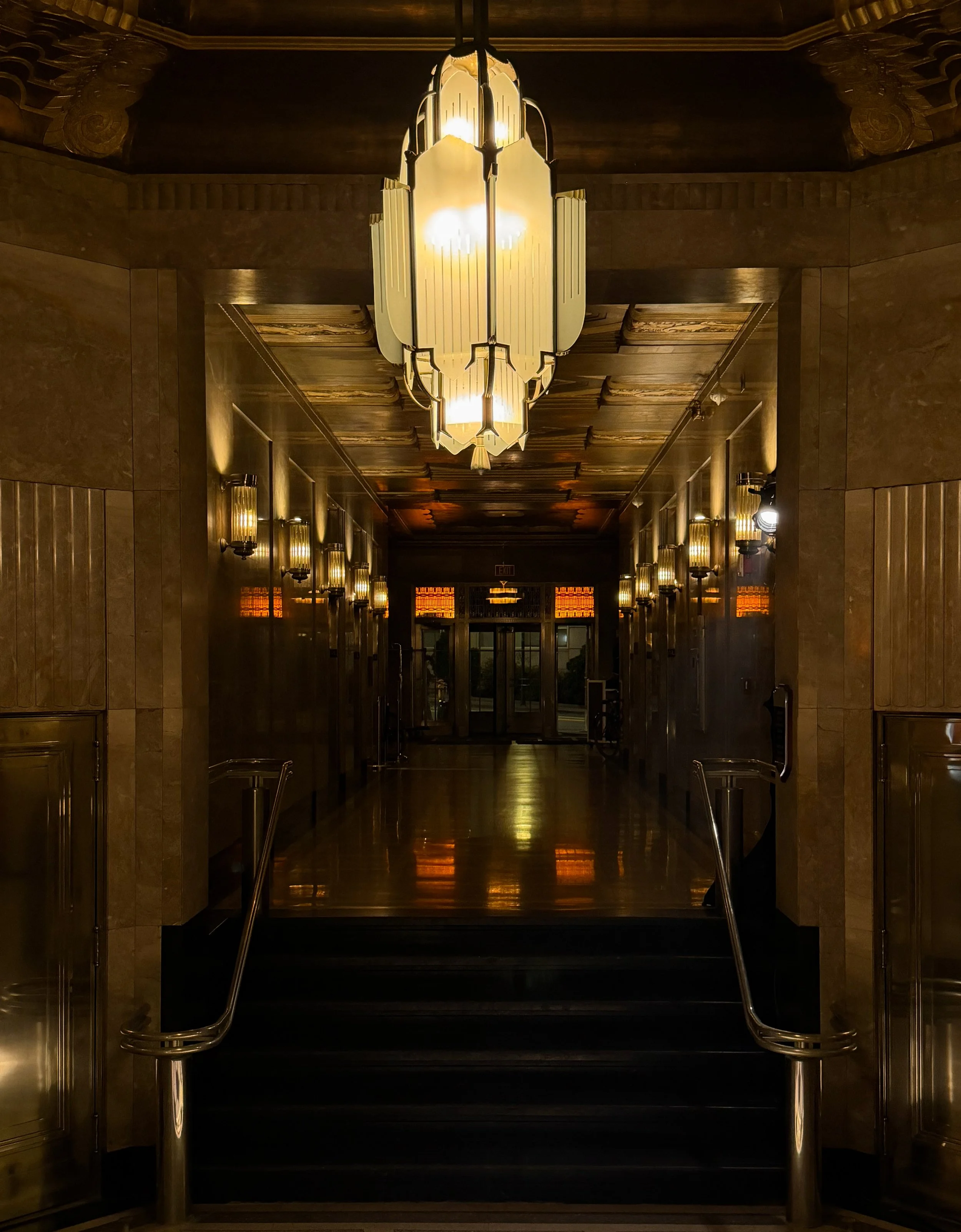
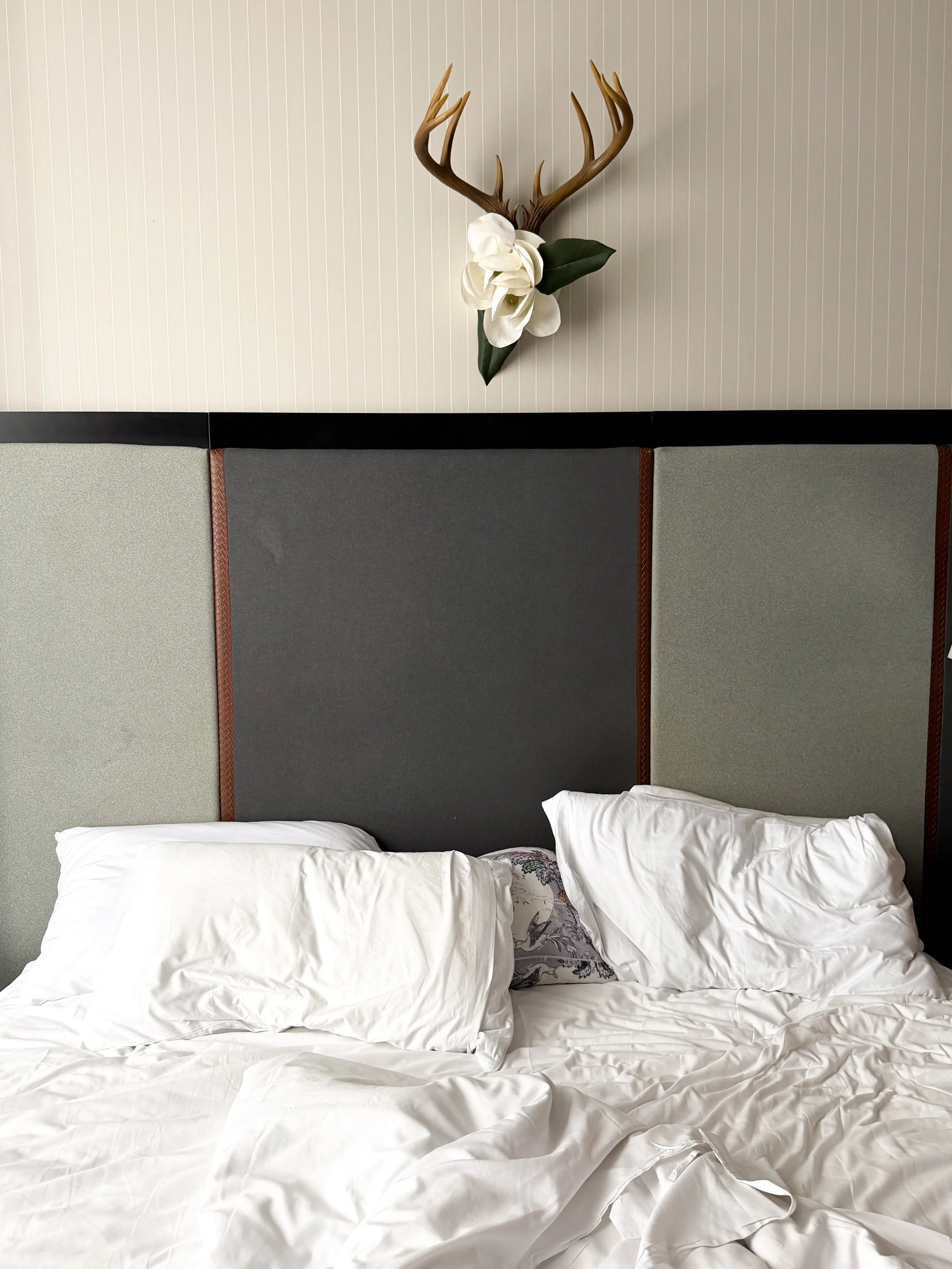
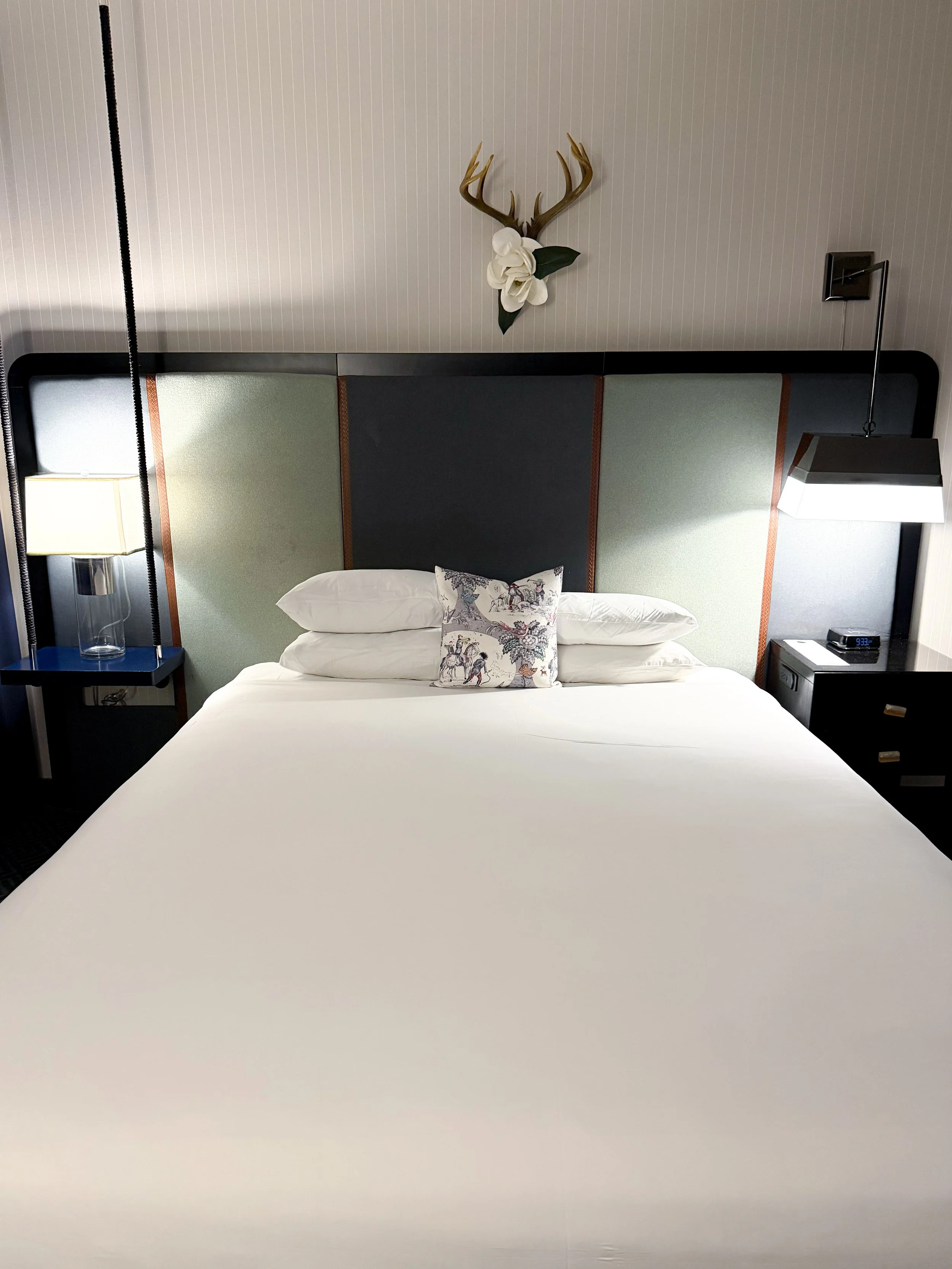
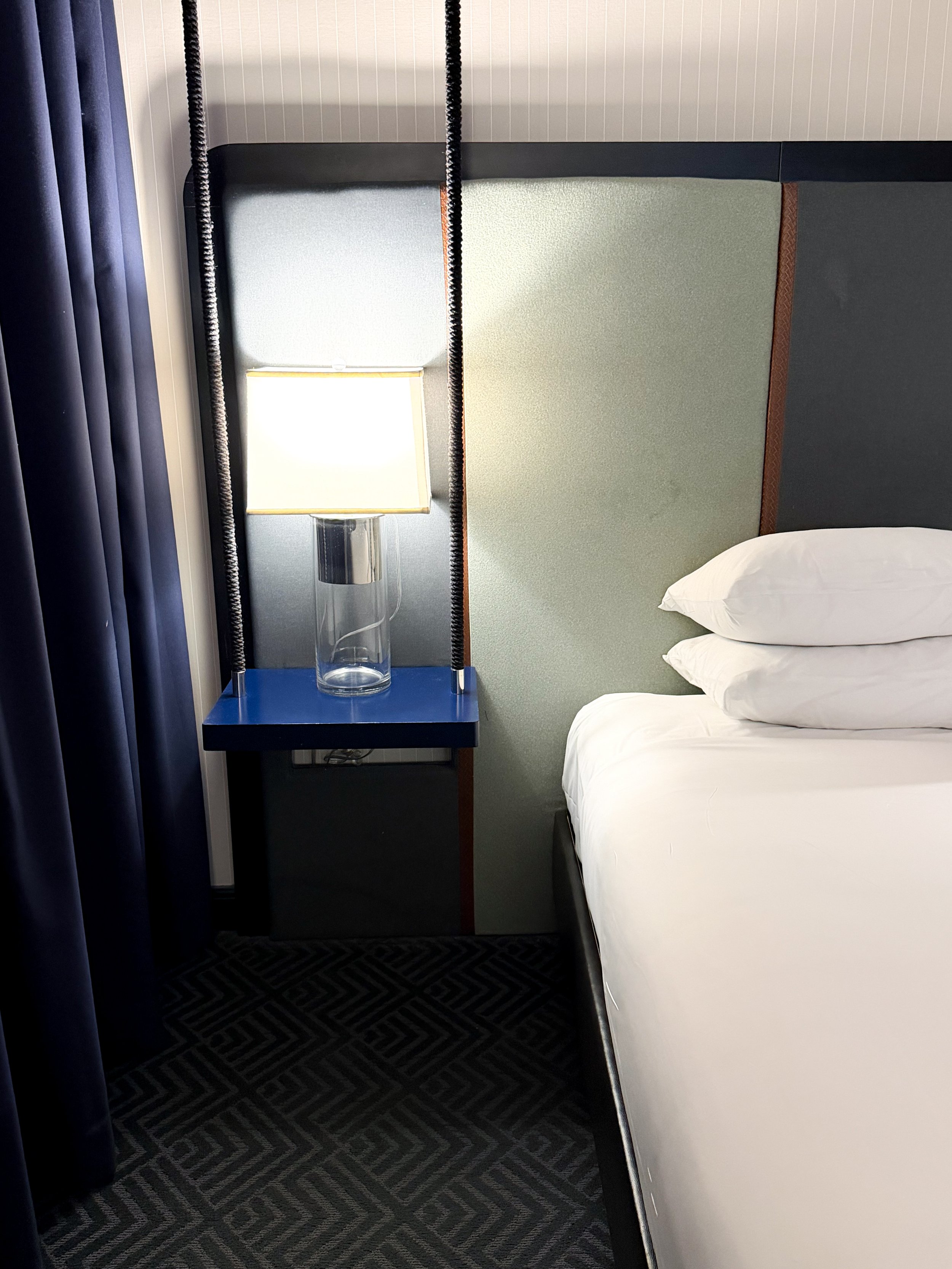
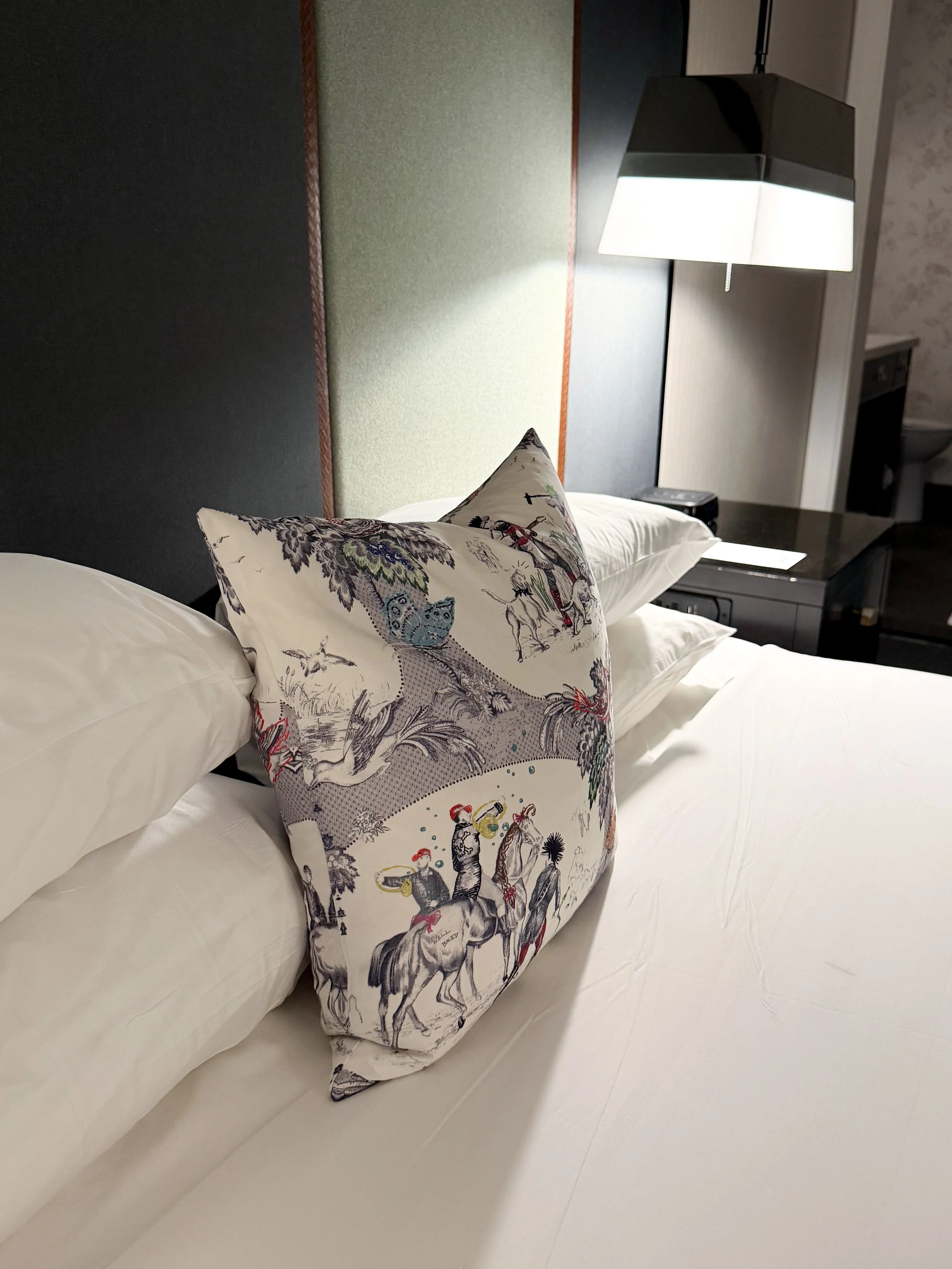
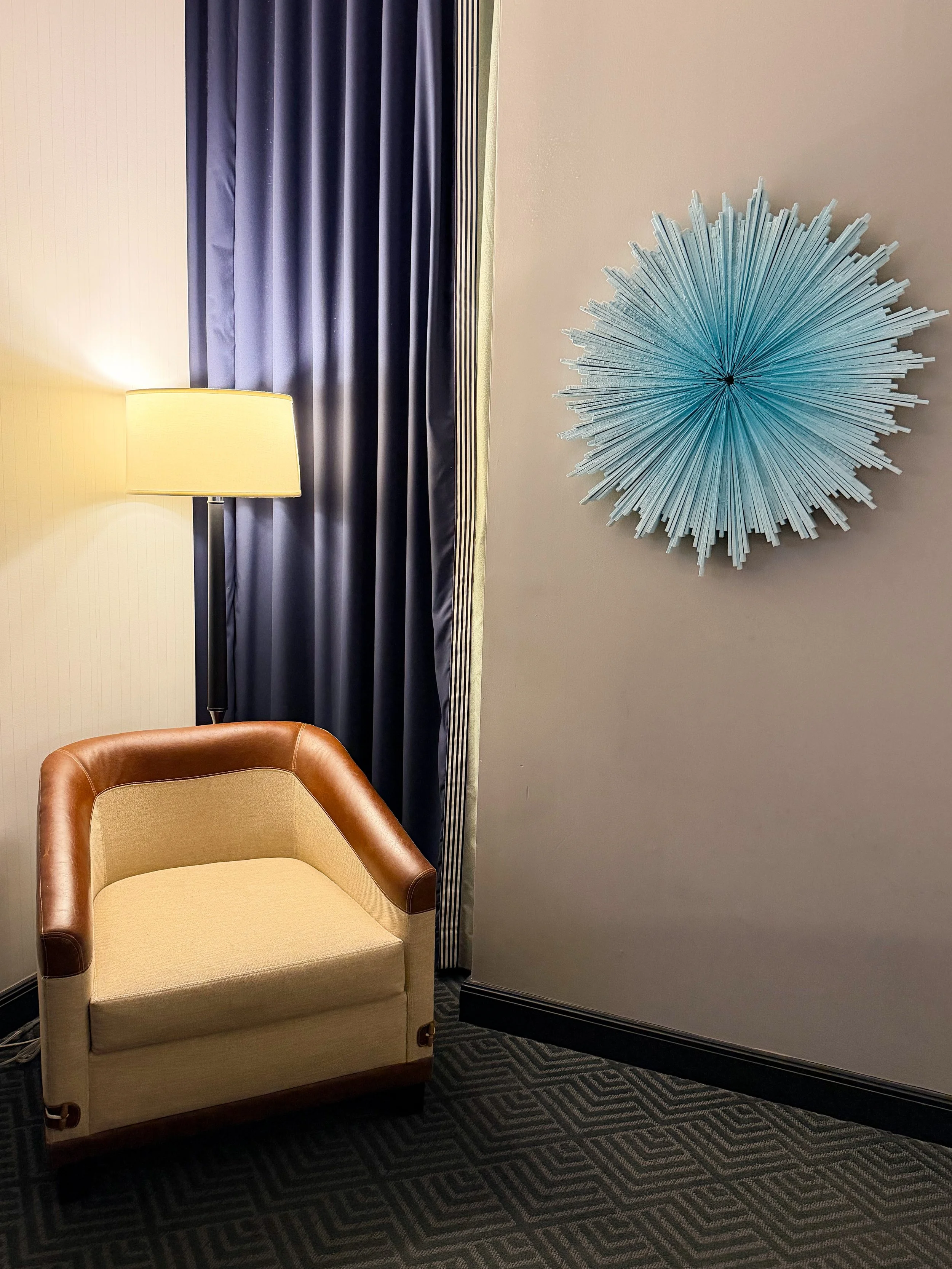
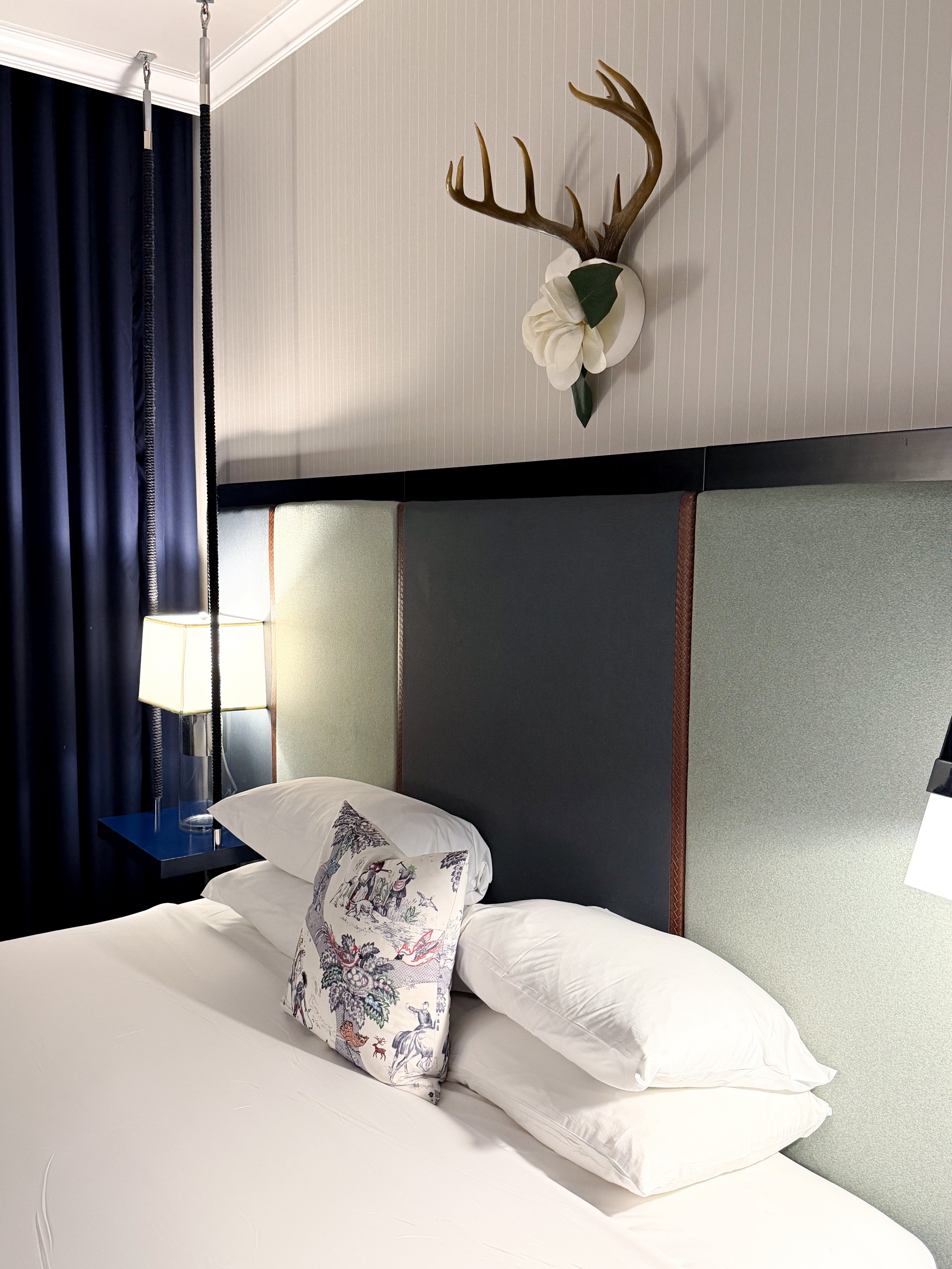
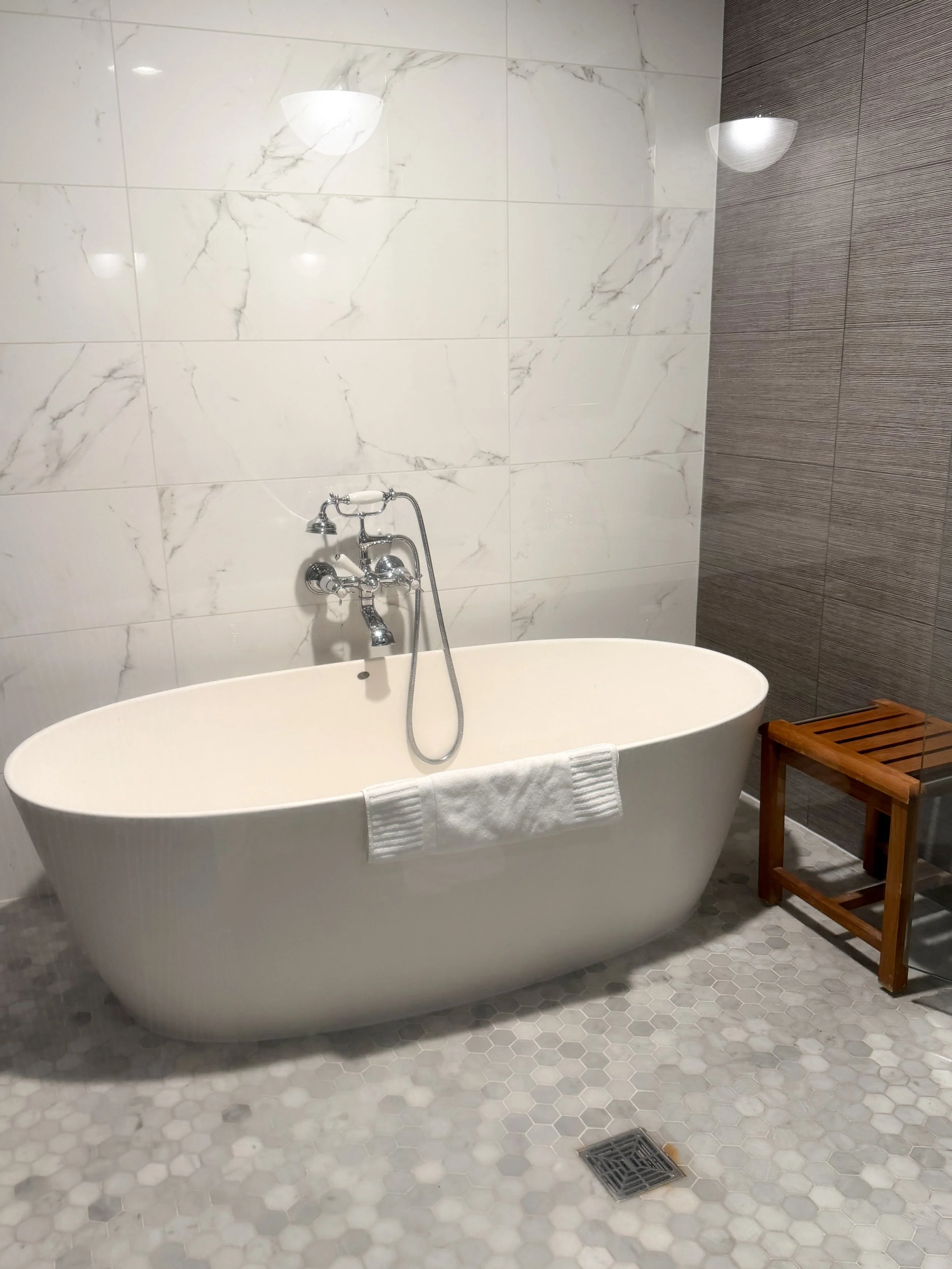
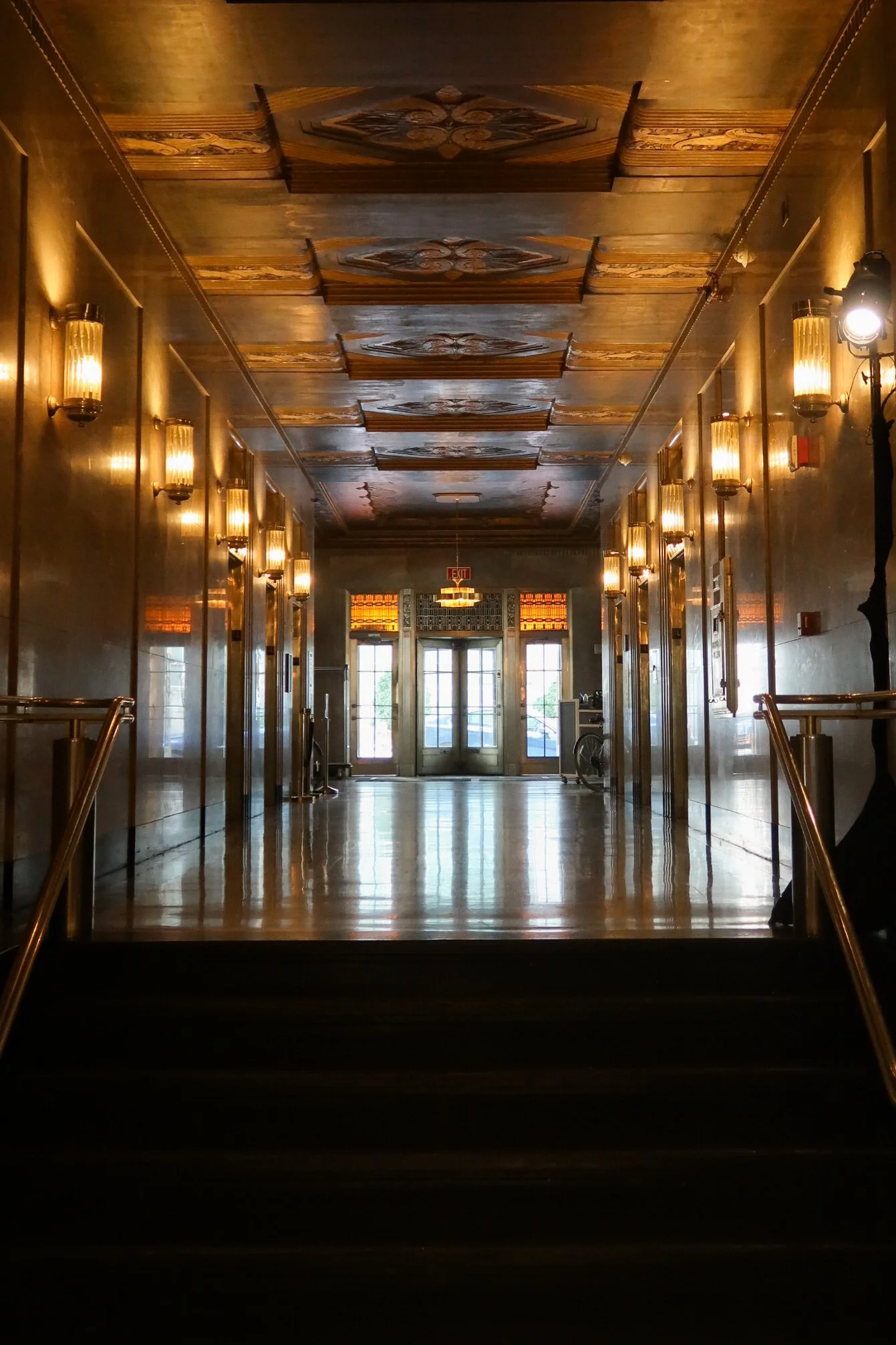
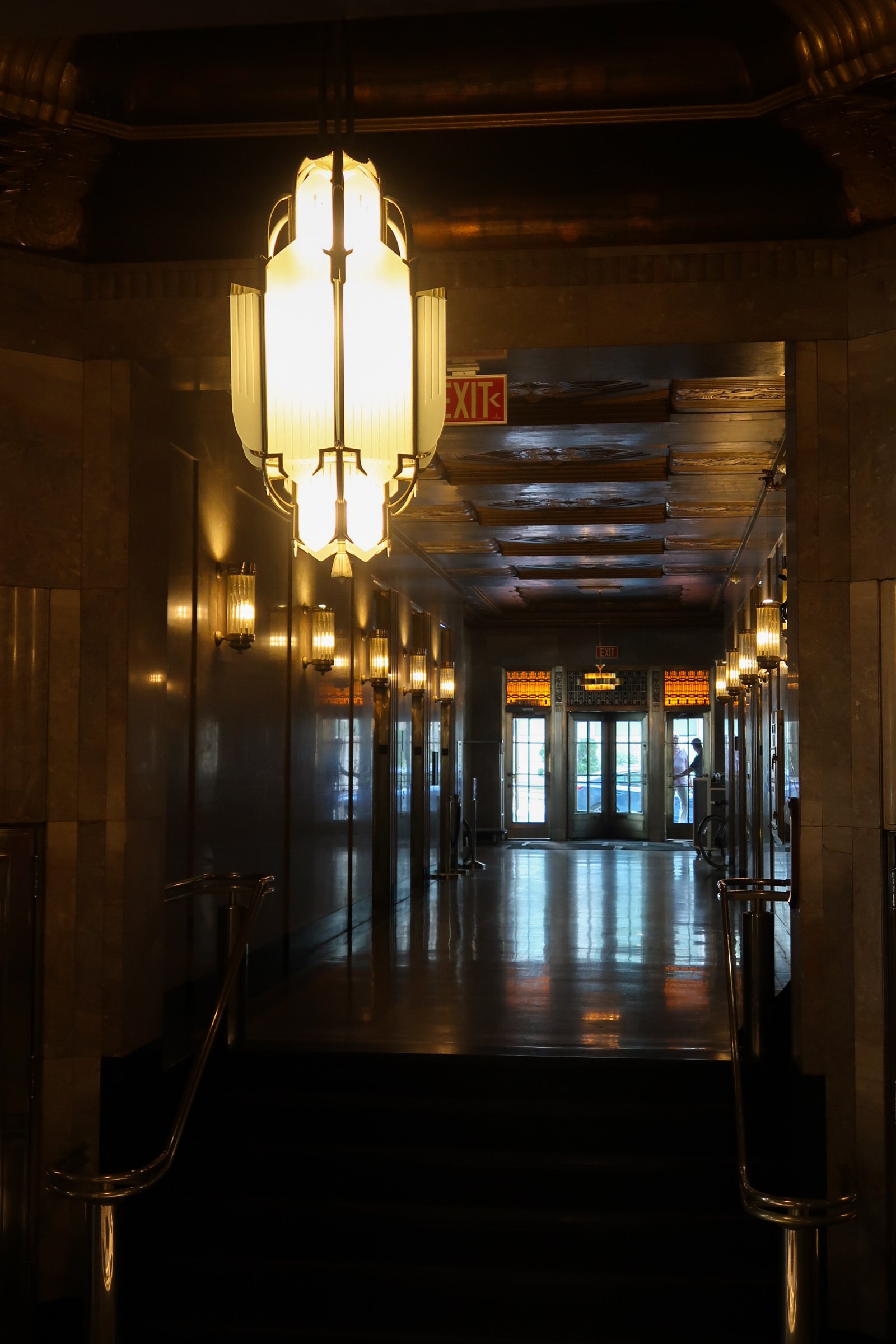
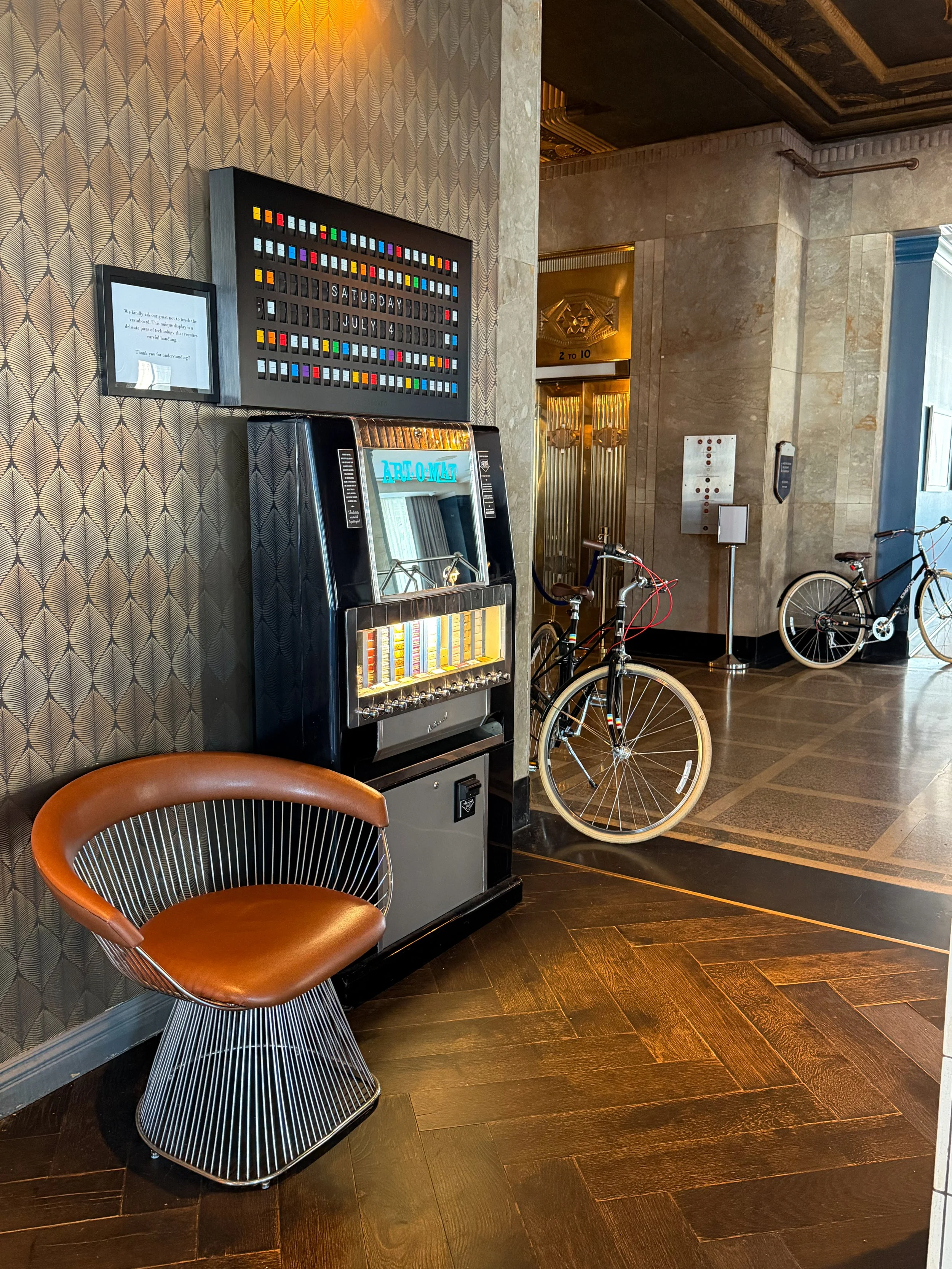
One thing I appreciated about the Kimpton's renovation is that it doesn't try to recreate the 1920s. Instead, the designers preserved many of the building's historic architectural features while layering in contemporary furniture, bold colors, and playful details that make the hotel feel current without competing with the architecture.

Why It's Worth Visiting
Even if you aren't staying overnight, I think the Kimpton Cardinal is worth stepping inside if you're interested in architecture or historic preservation.
It's one of the best places in Winston-Salem to see how a significant historic building can be thoughtfully adapted for modern use. The grand lobby alone is worth a visit, and the hotel serves as a great starting point for exploring downtown, Old Salem, Reynolda, and the city's growing food and arts scene.
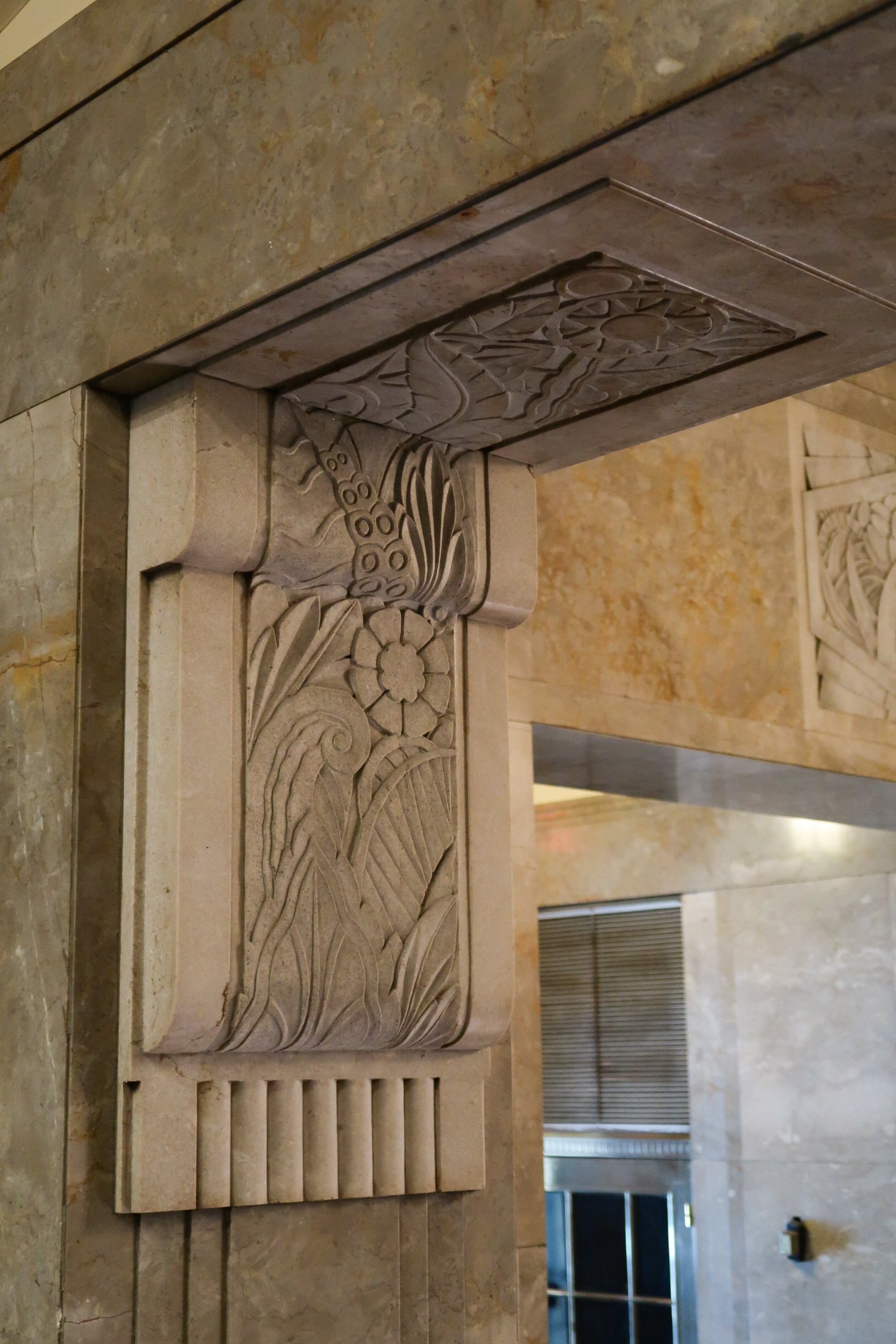
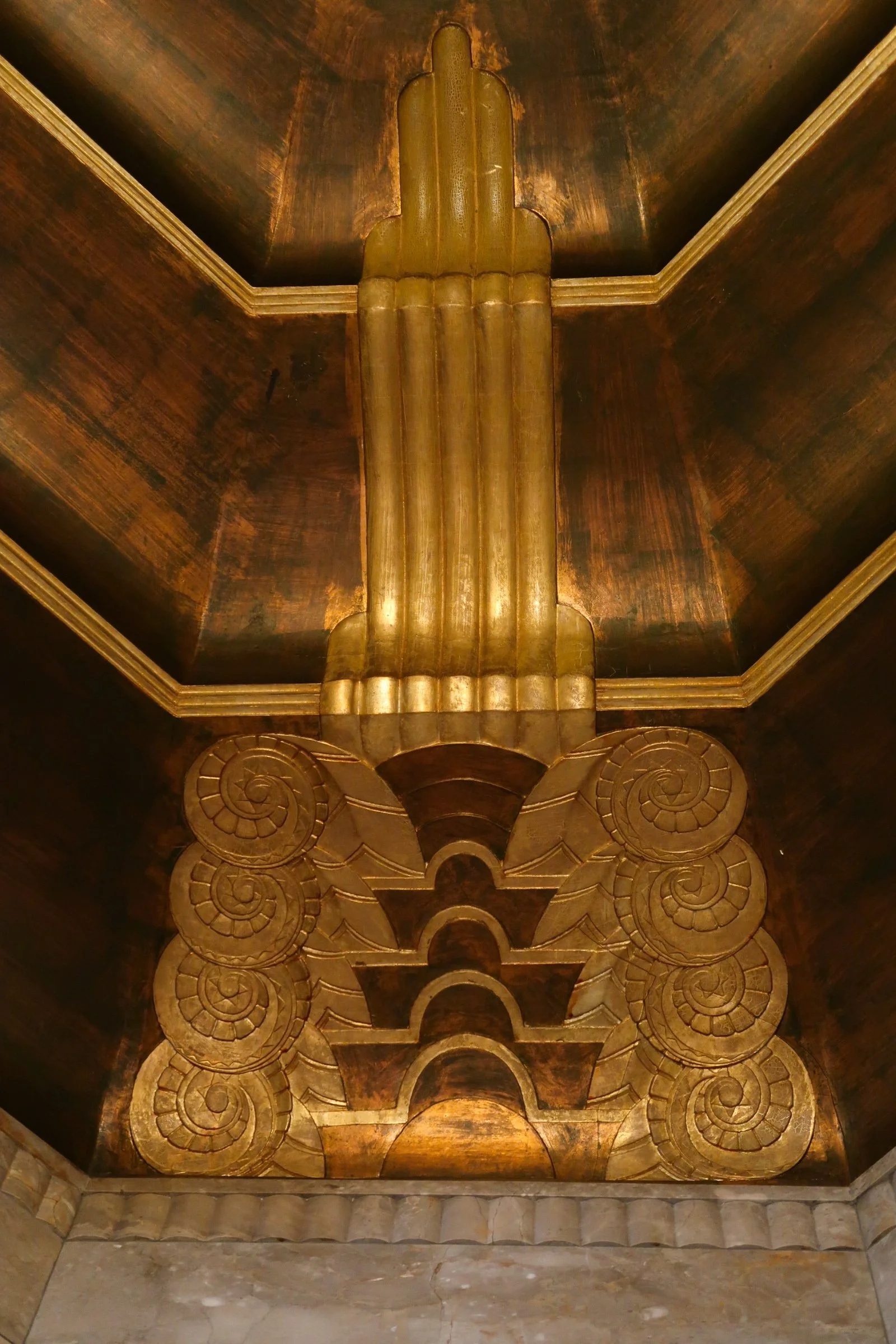
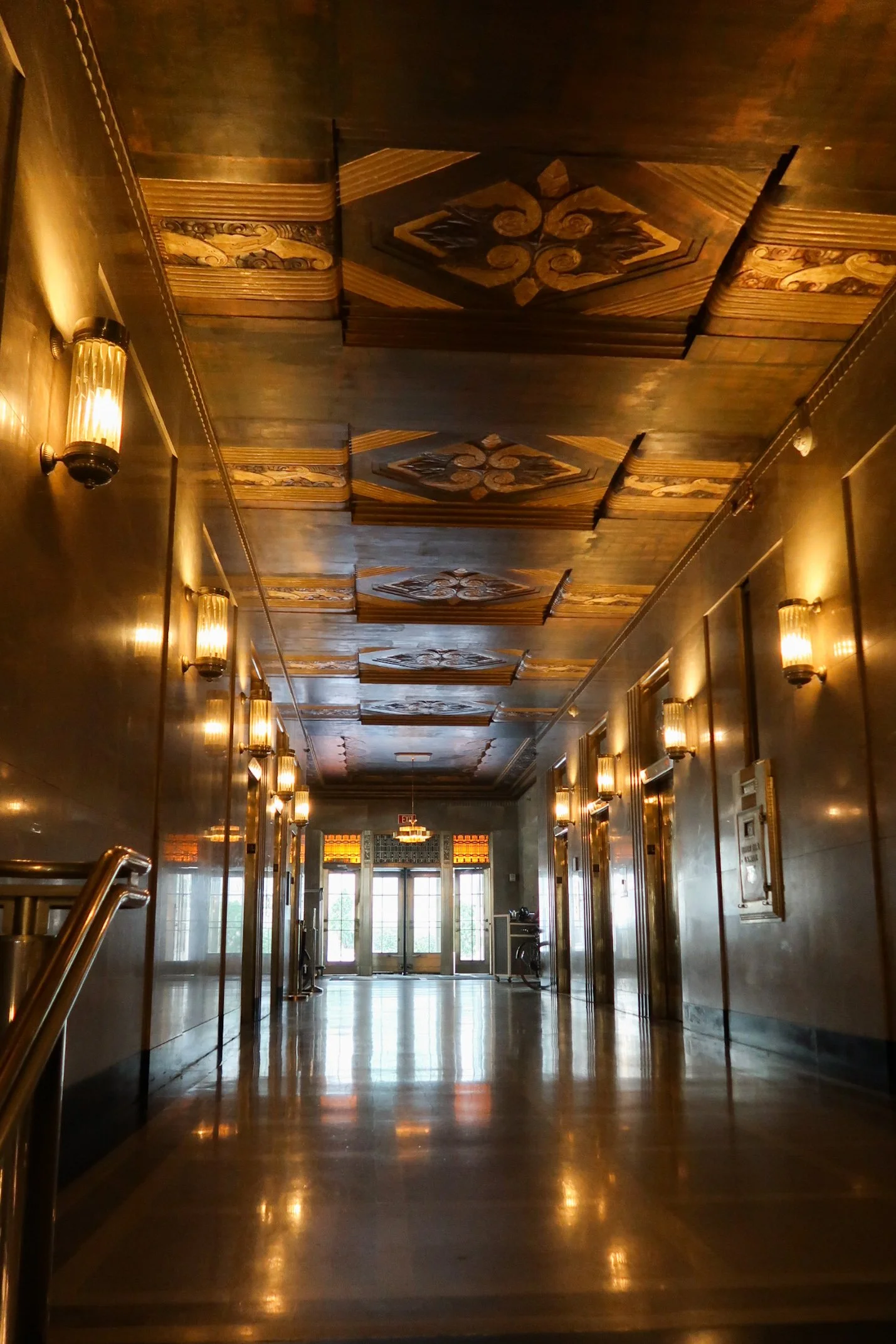
Design Details You Might Miss
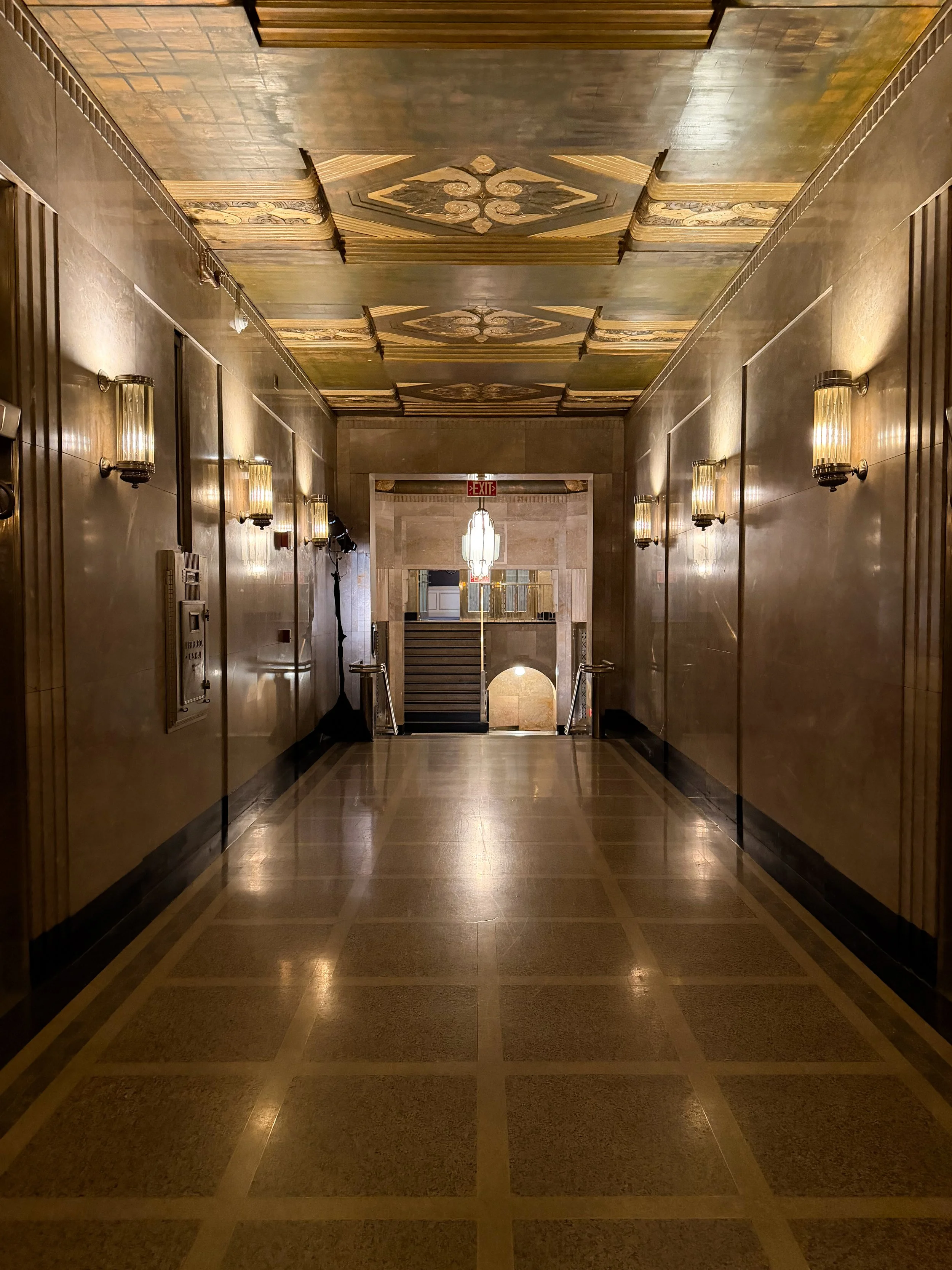
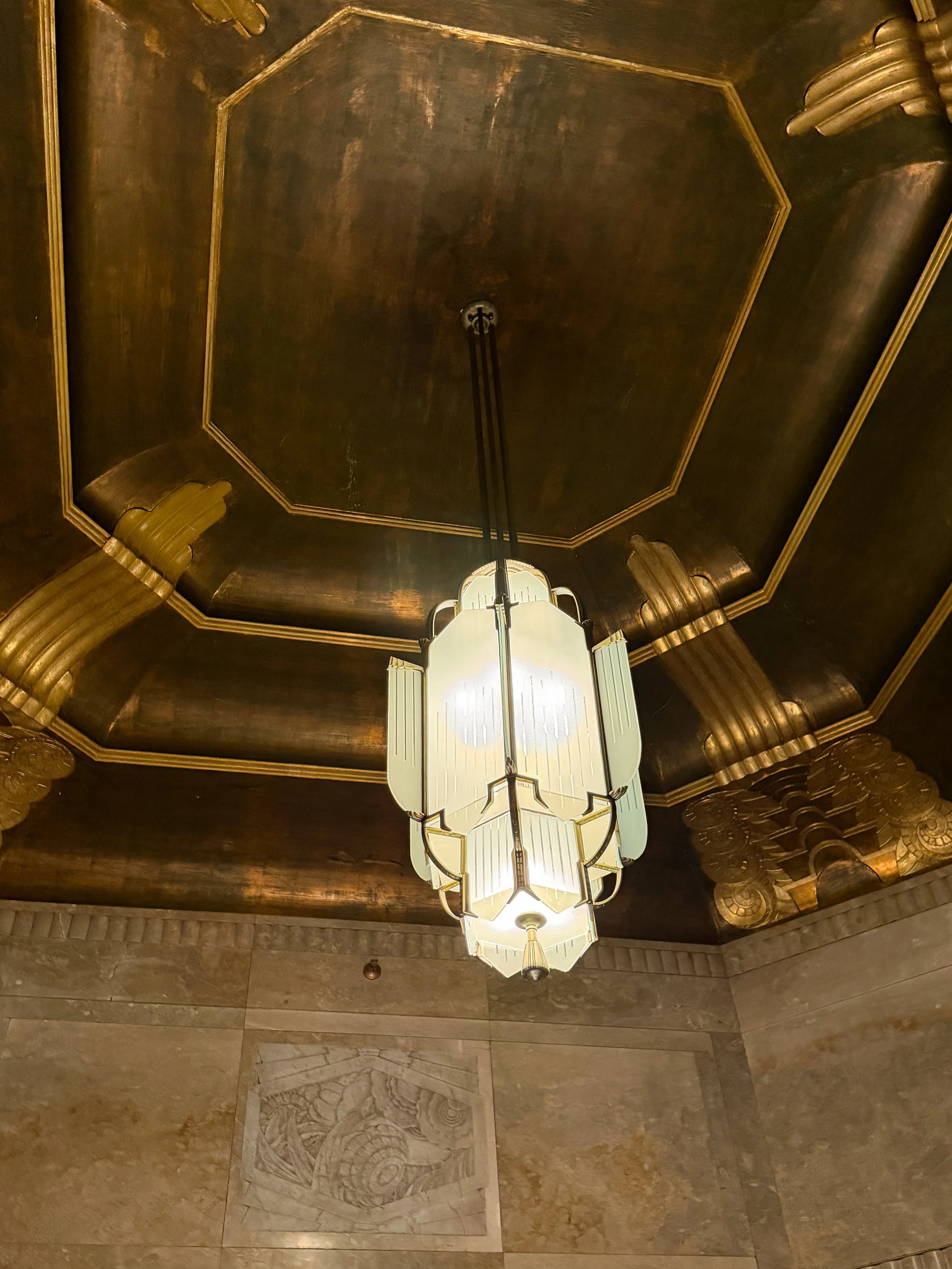
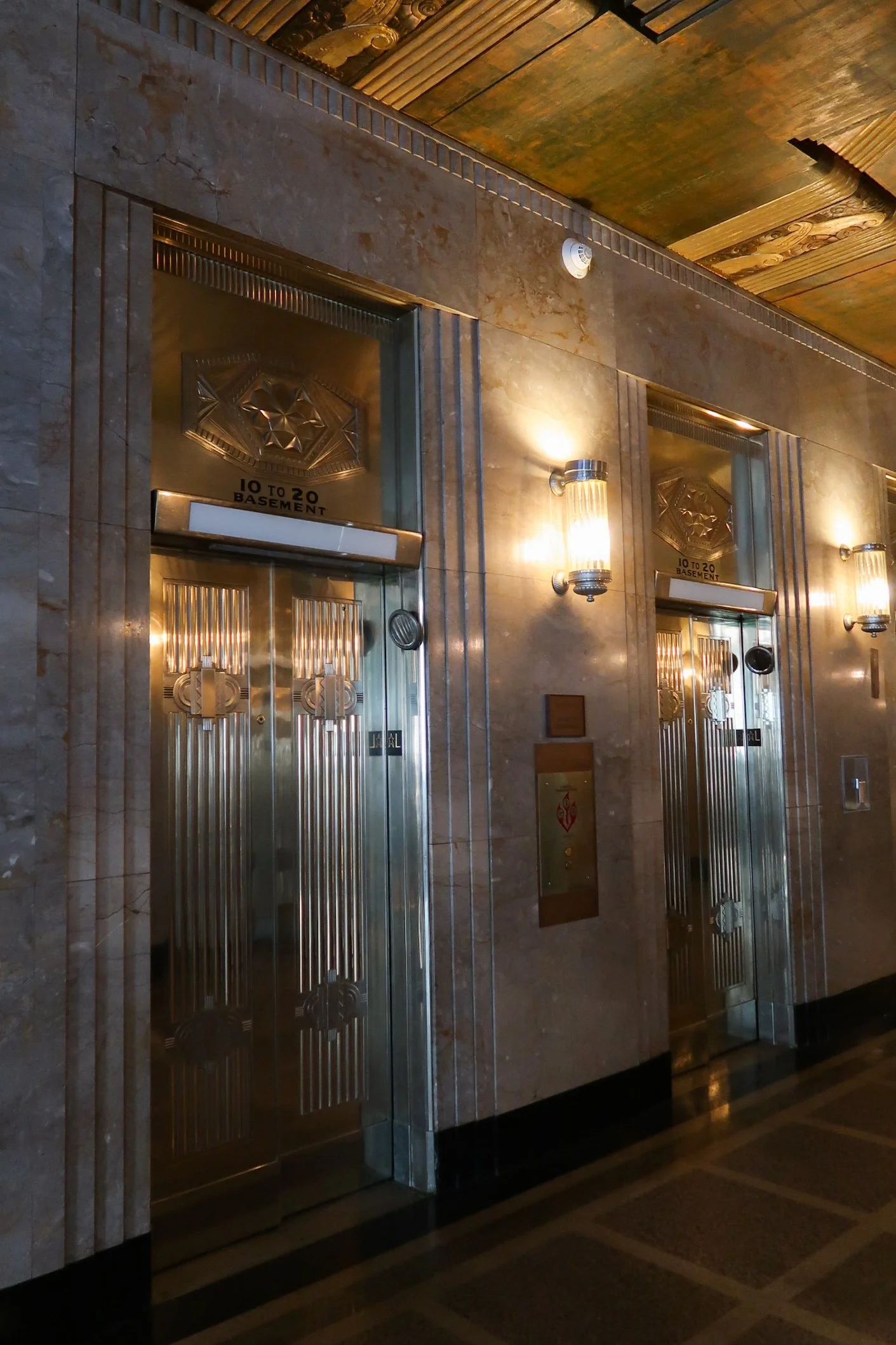
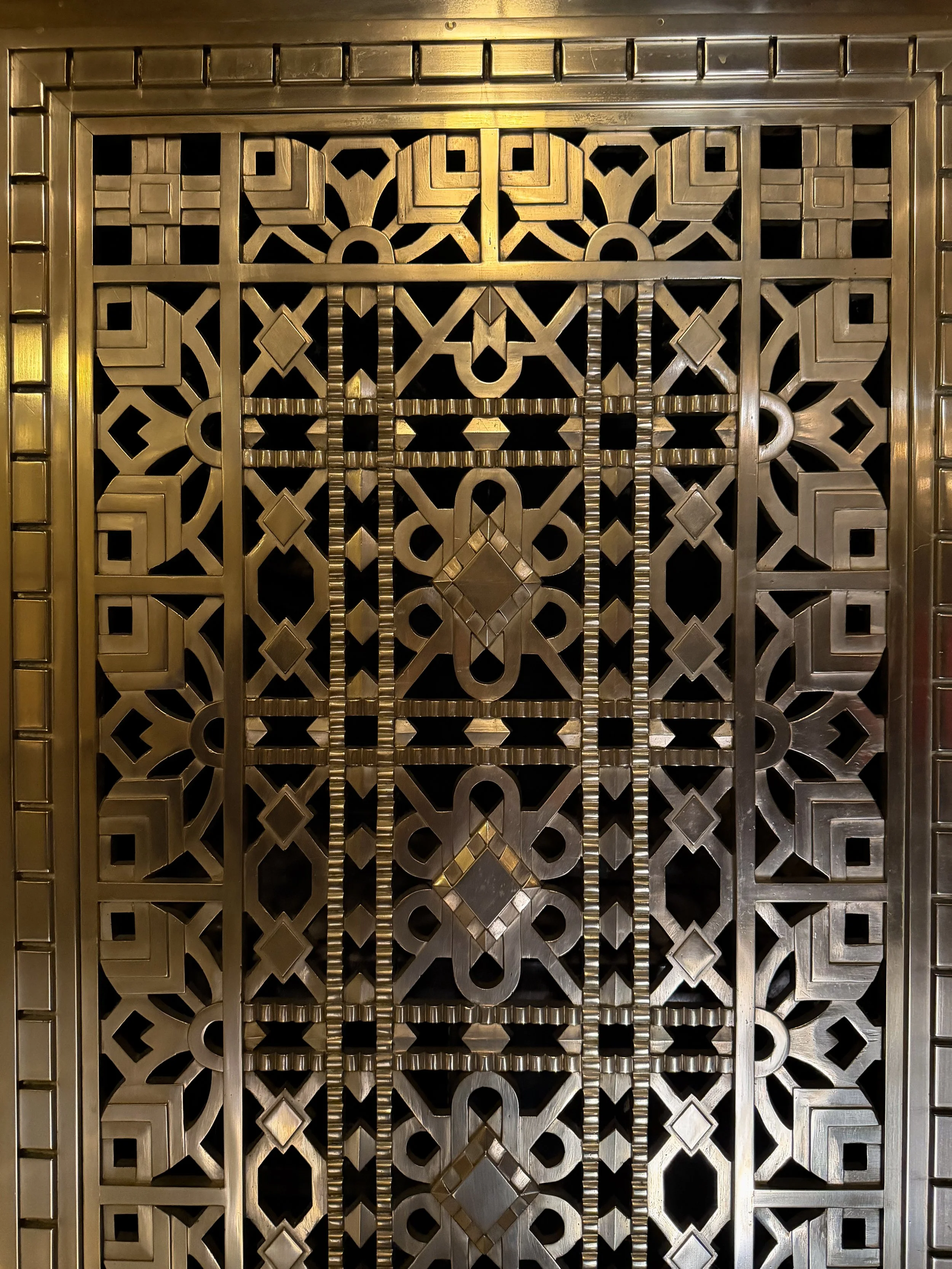
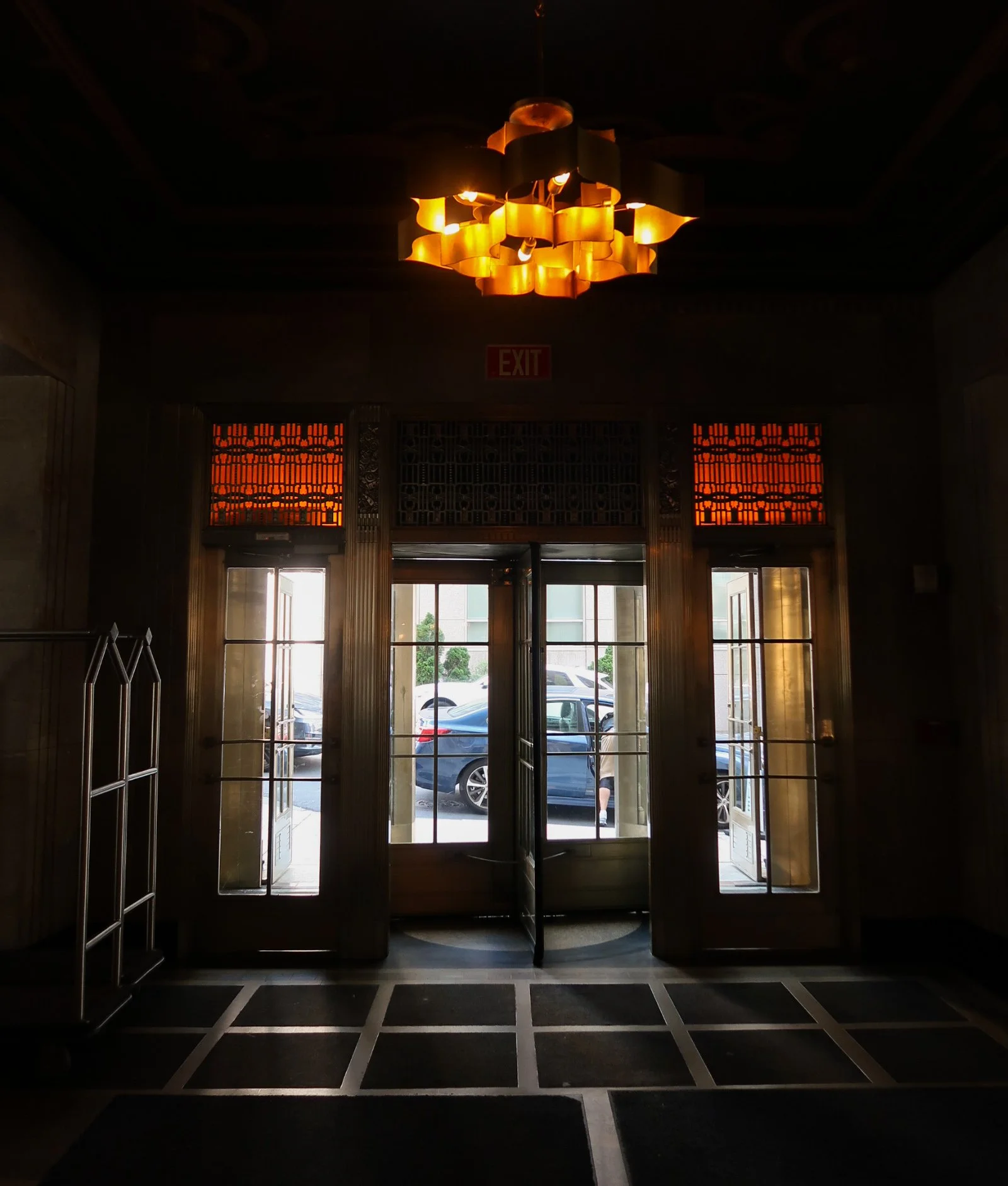
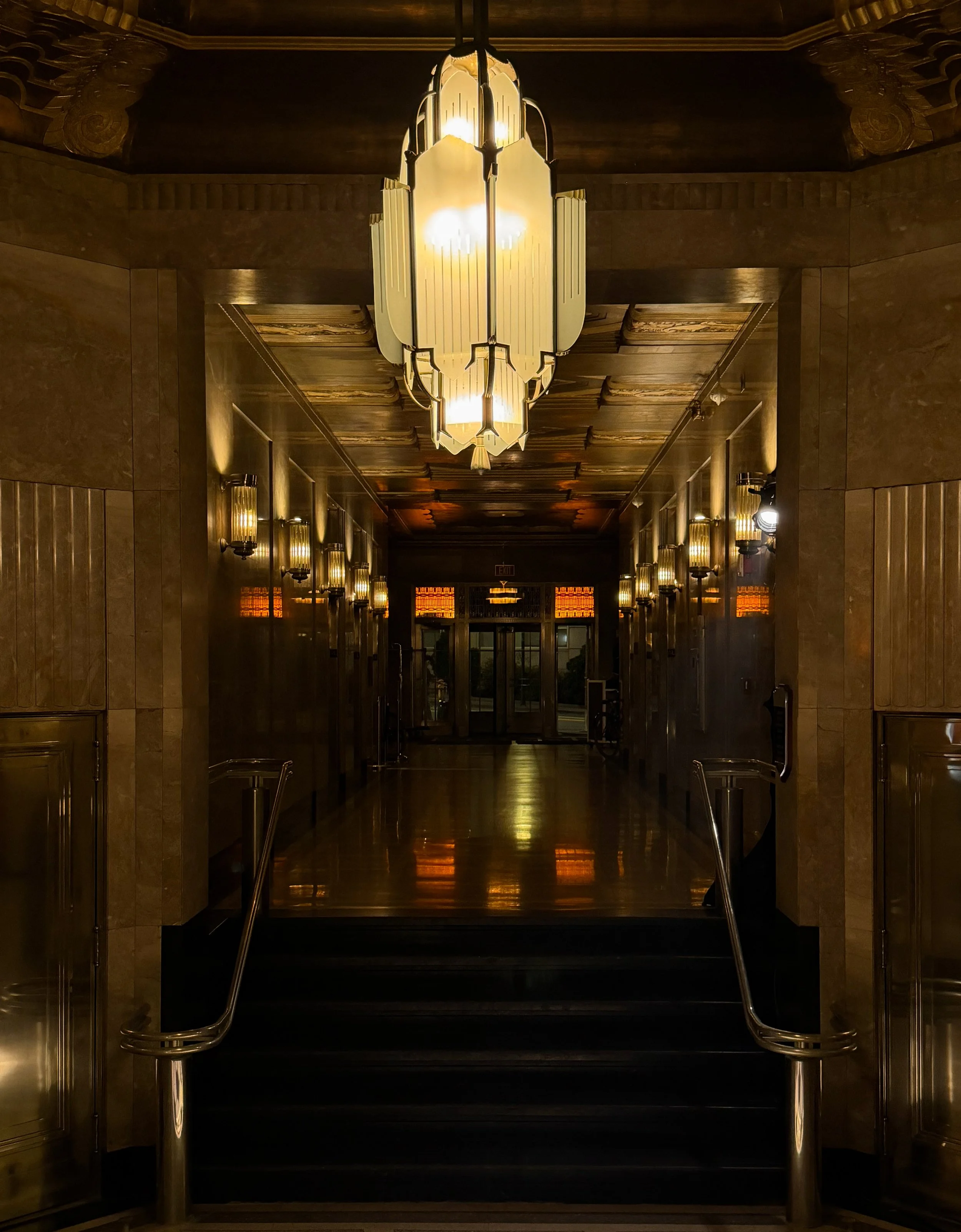
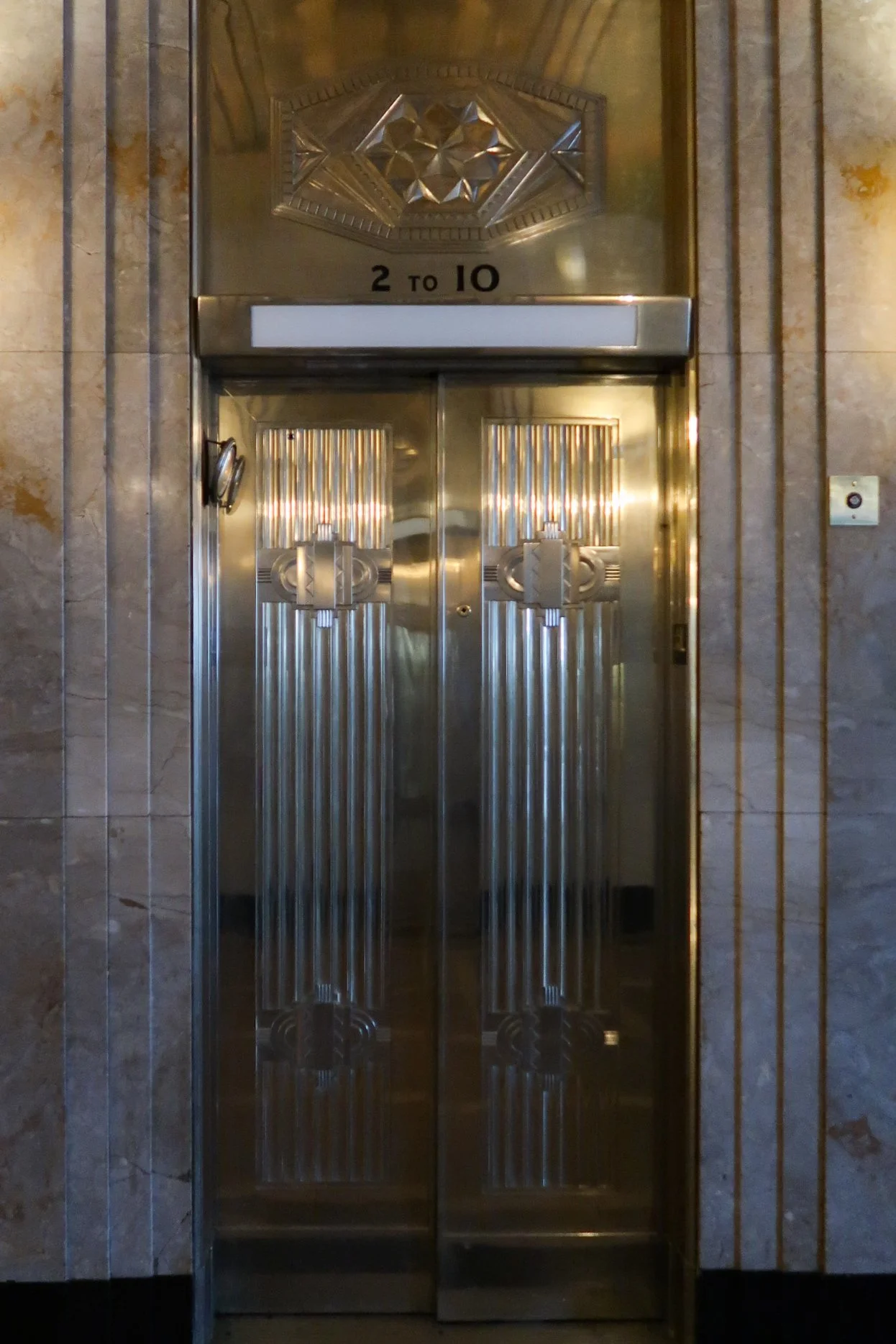
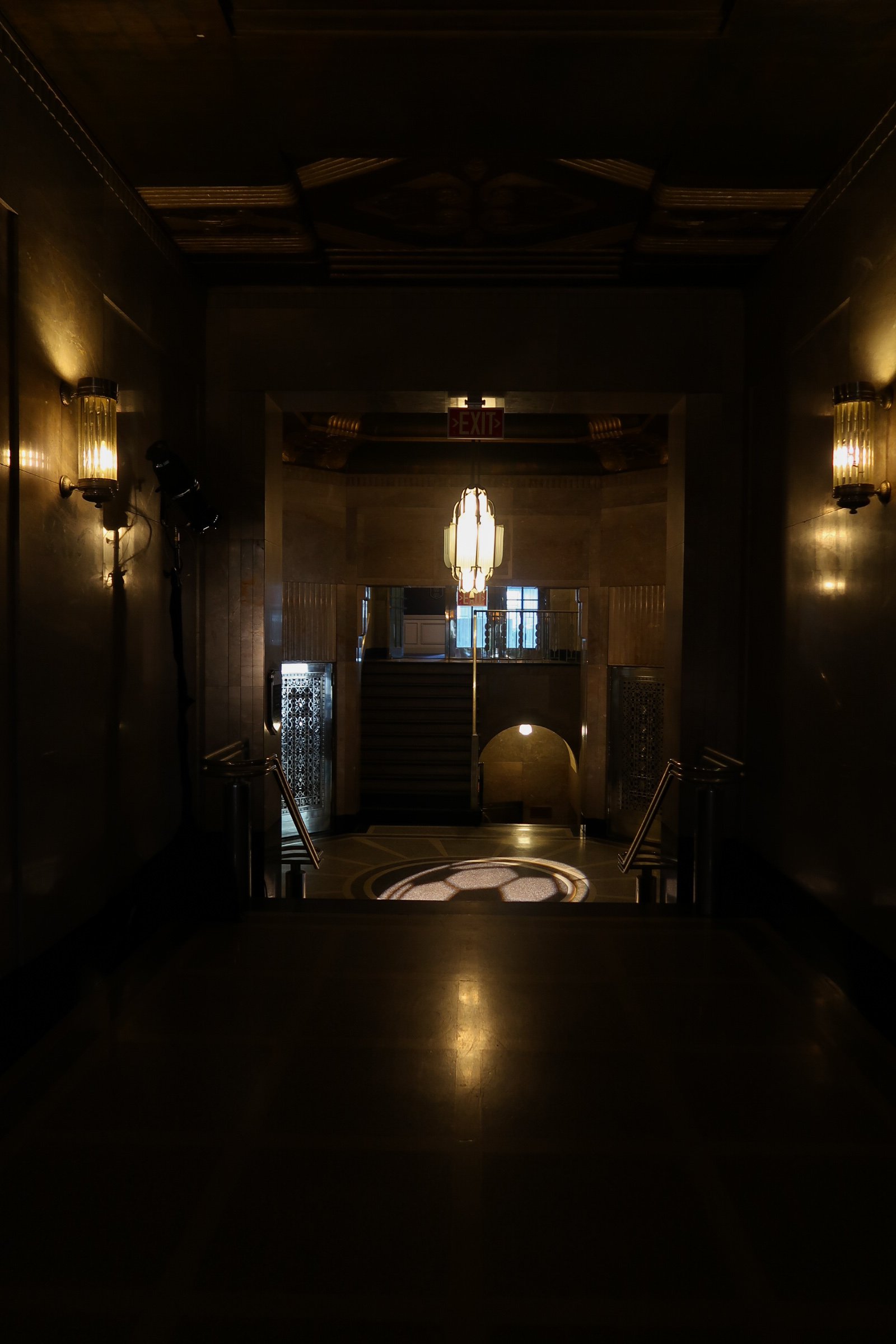
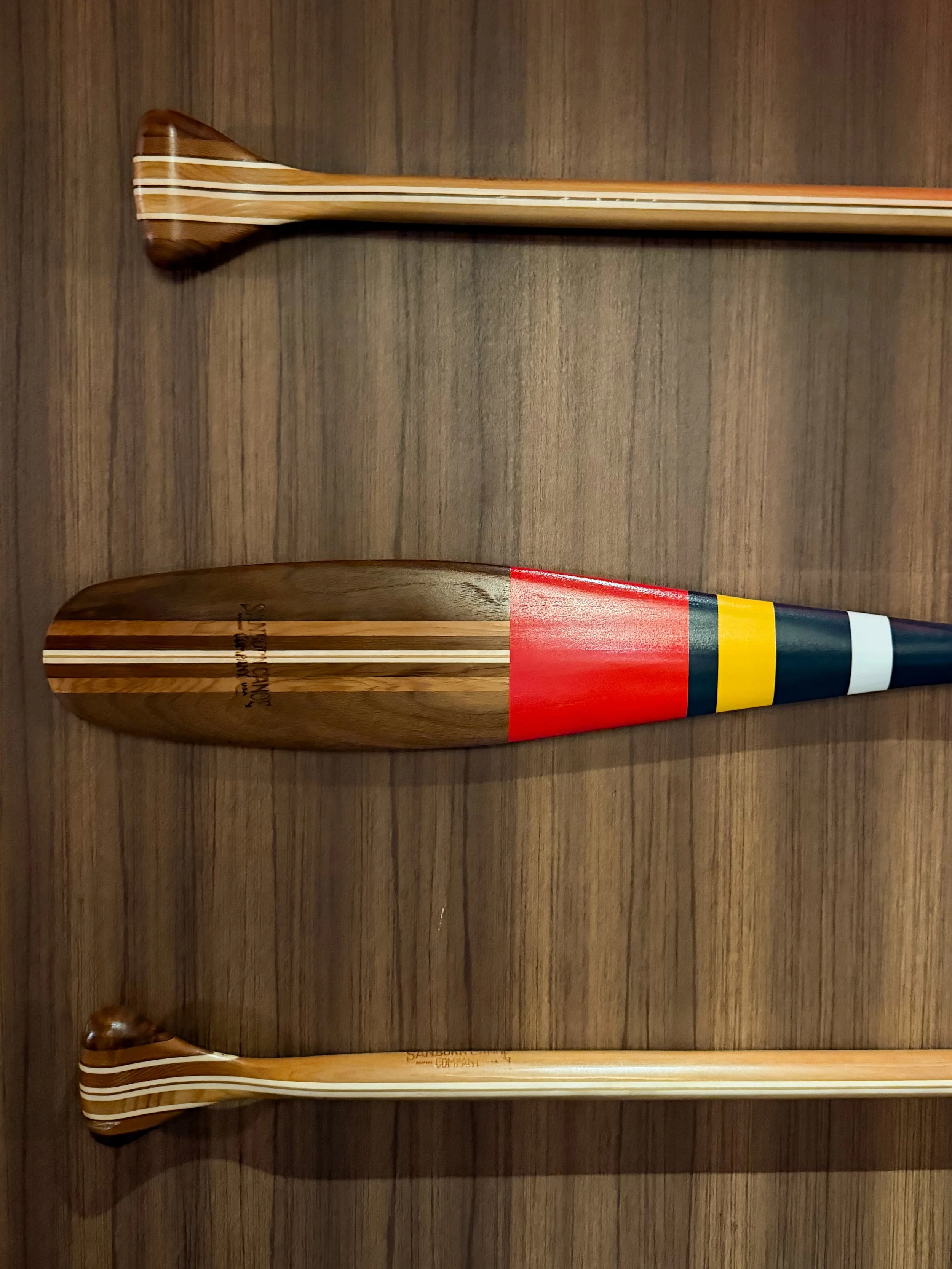
One of my favorite parts of staying at the Kimpton Cardinal was spotting all of the little design references tucked throughout the hotel. Little easter eggs for the design curious traveler. They're subtle enough that you could walk right past them, but once you start looking, you realize almost everything has a connection to the building or Winston-Salem itself.
Here are a few details worth noticing:
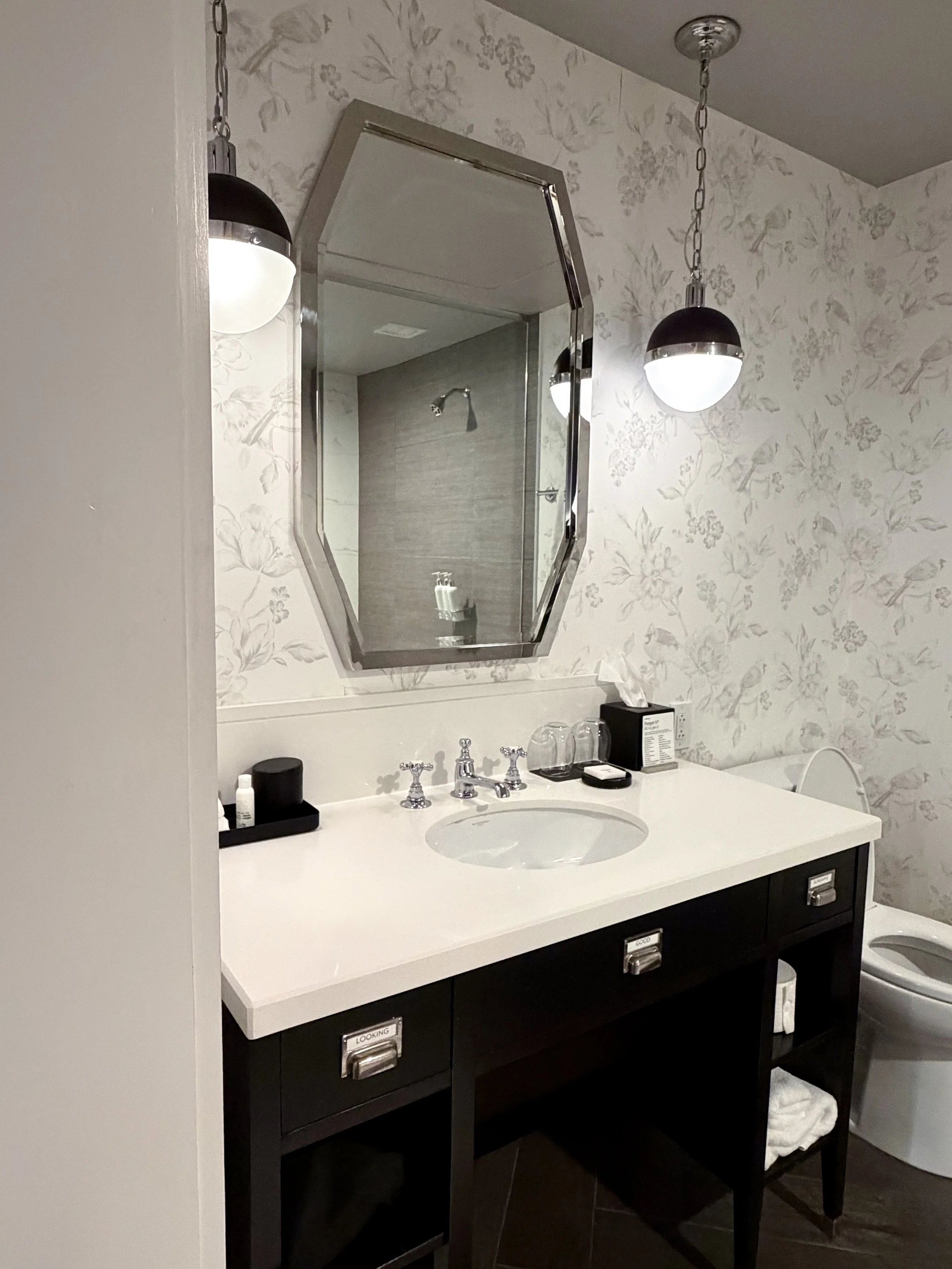
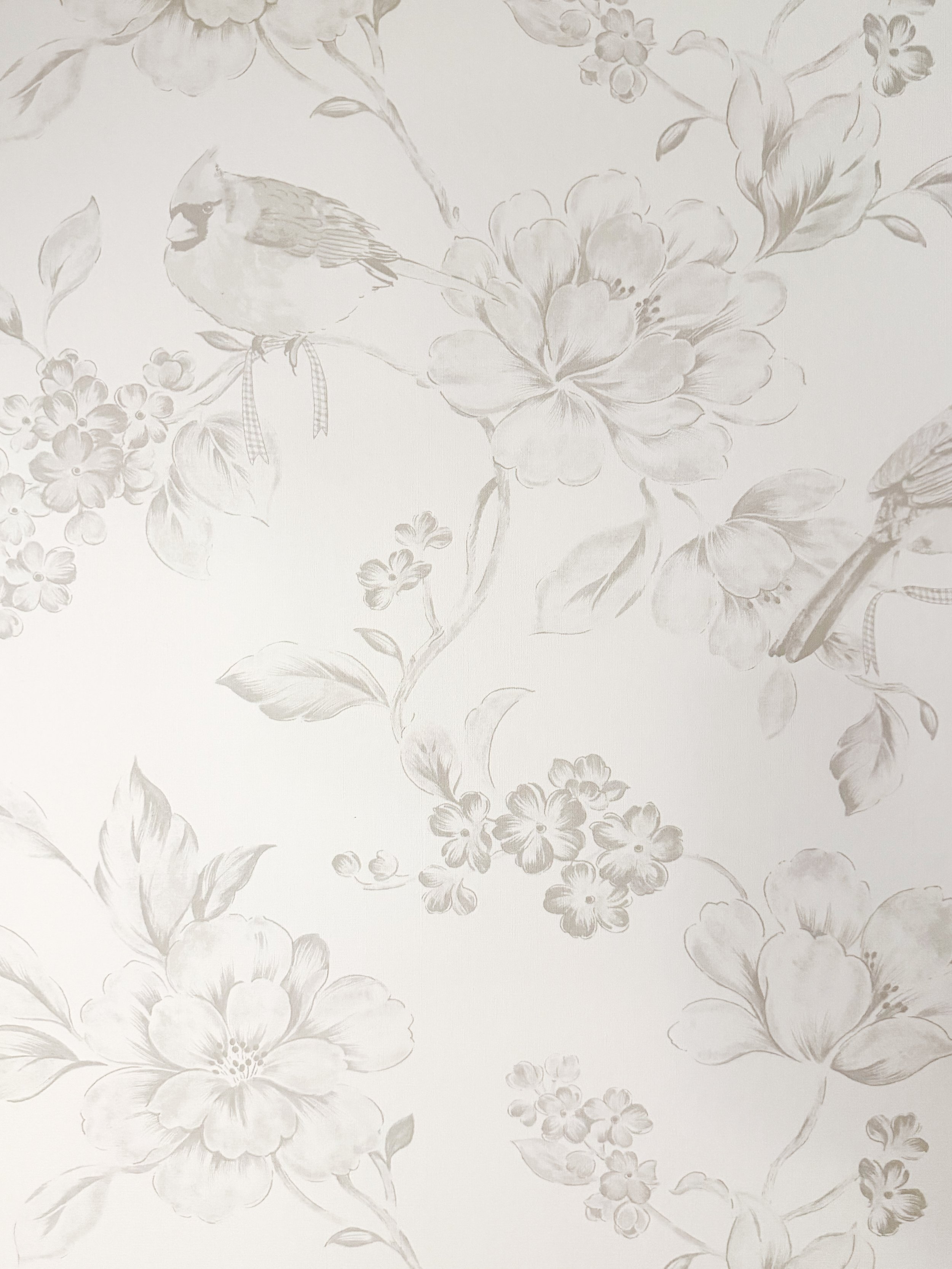
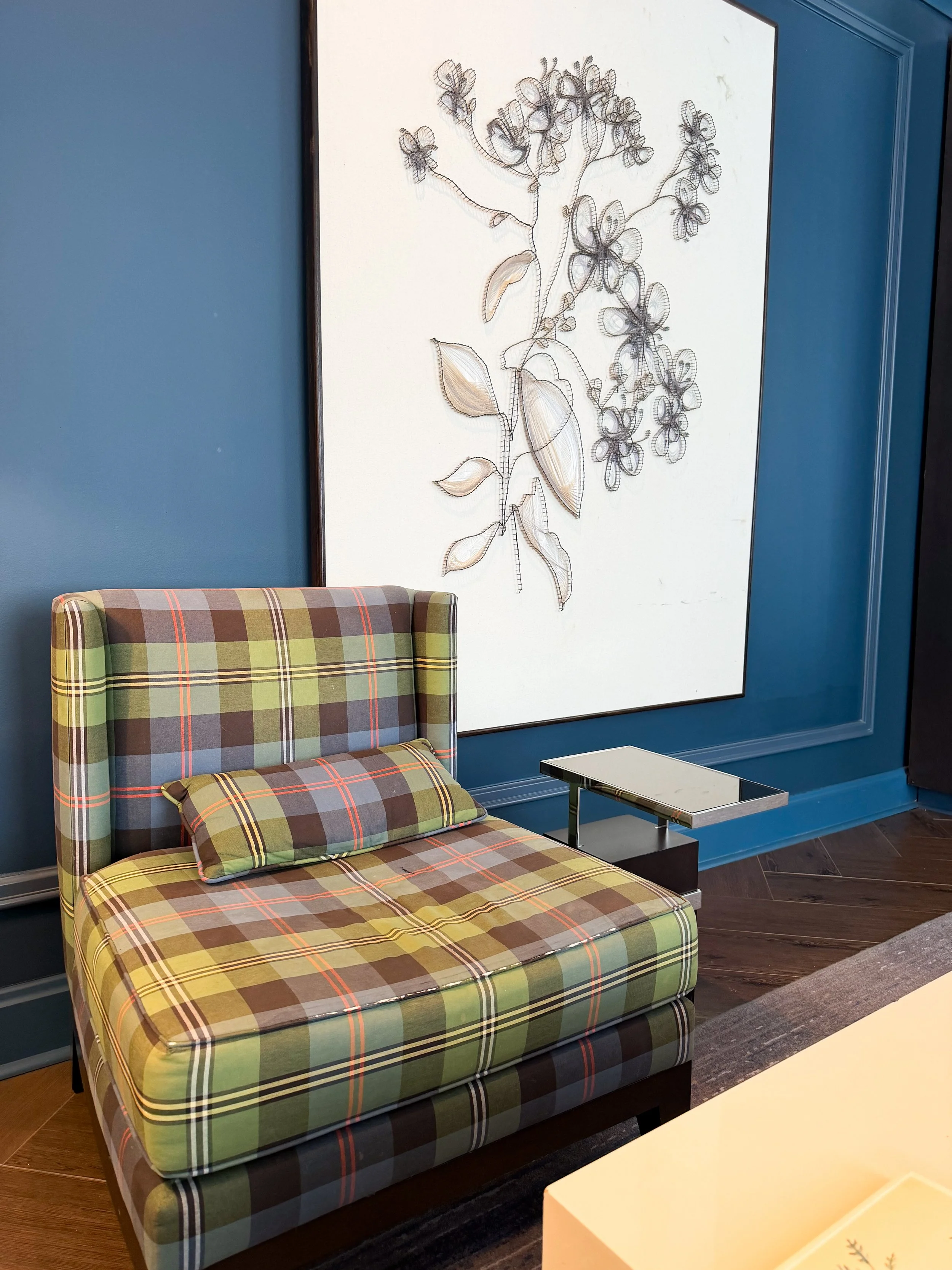
The hotel's name comes from North Carolina's state bird, and once you know that, you'll start seeing touches of cardinal throughout the interiors, like the cardinal wall paper in our bathroom. Other NC nods include - emerald green accents (state gemstone), seersucker robes, made in NC furniture, Venus flytrap art, Carolina tartan guest chairs.
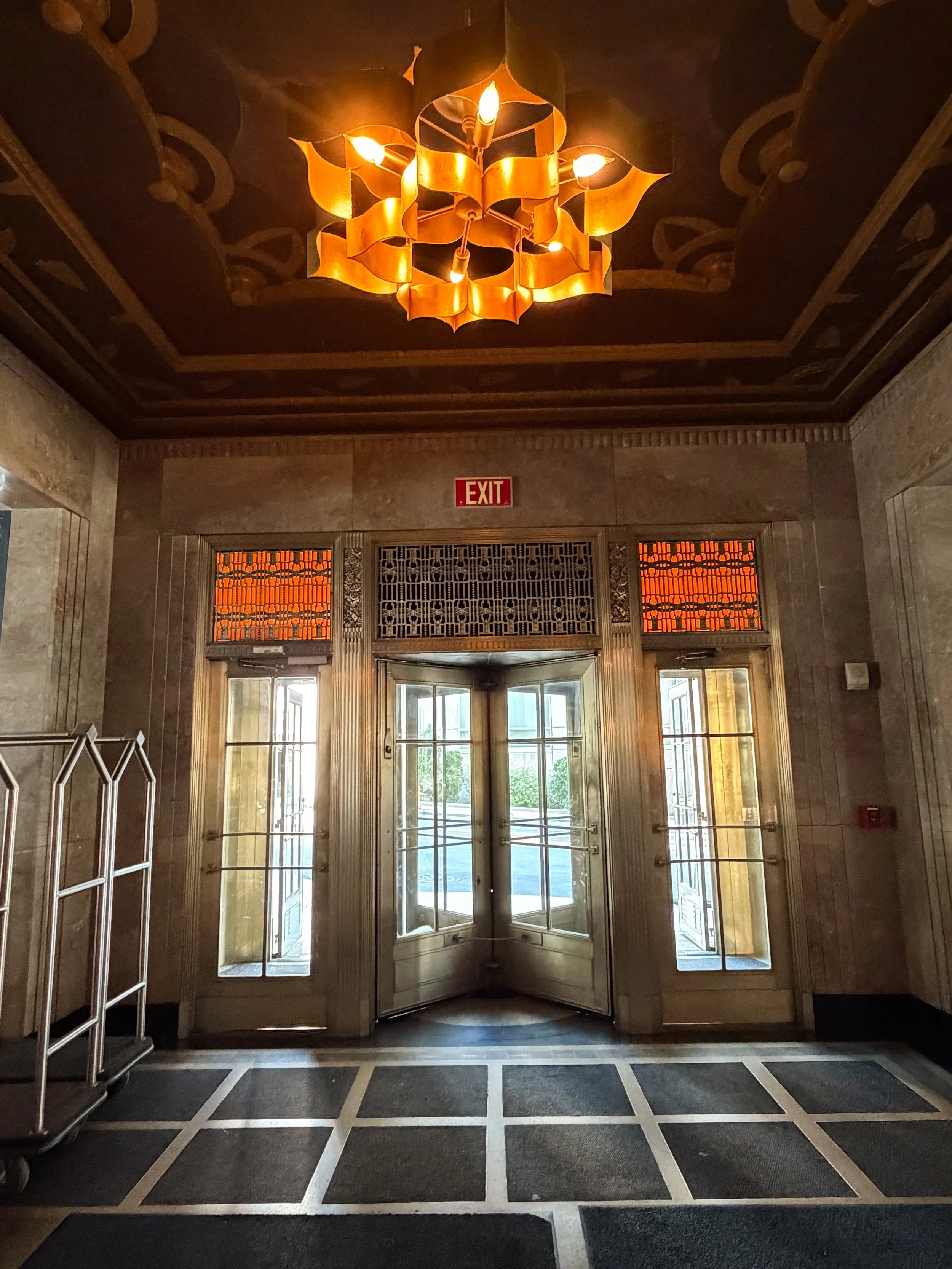
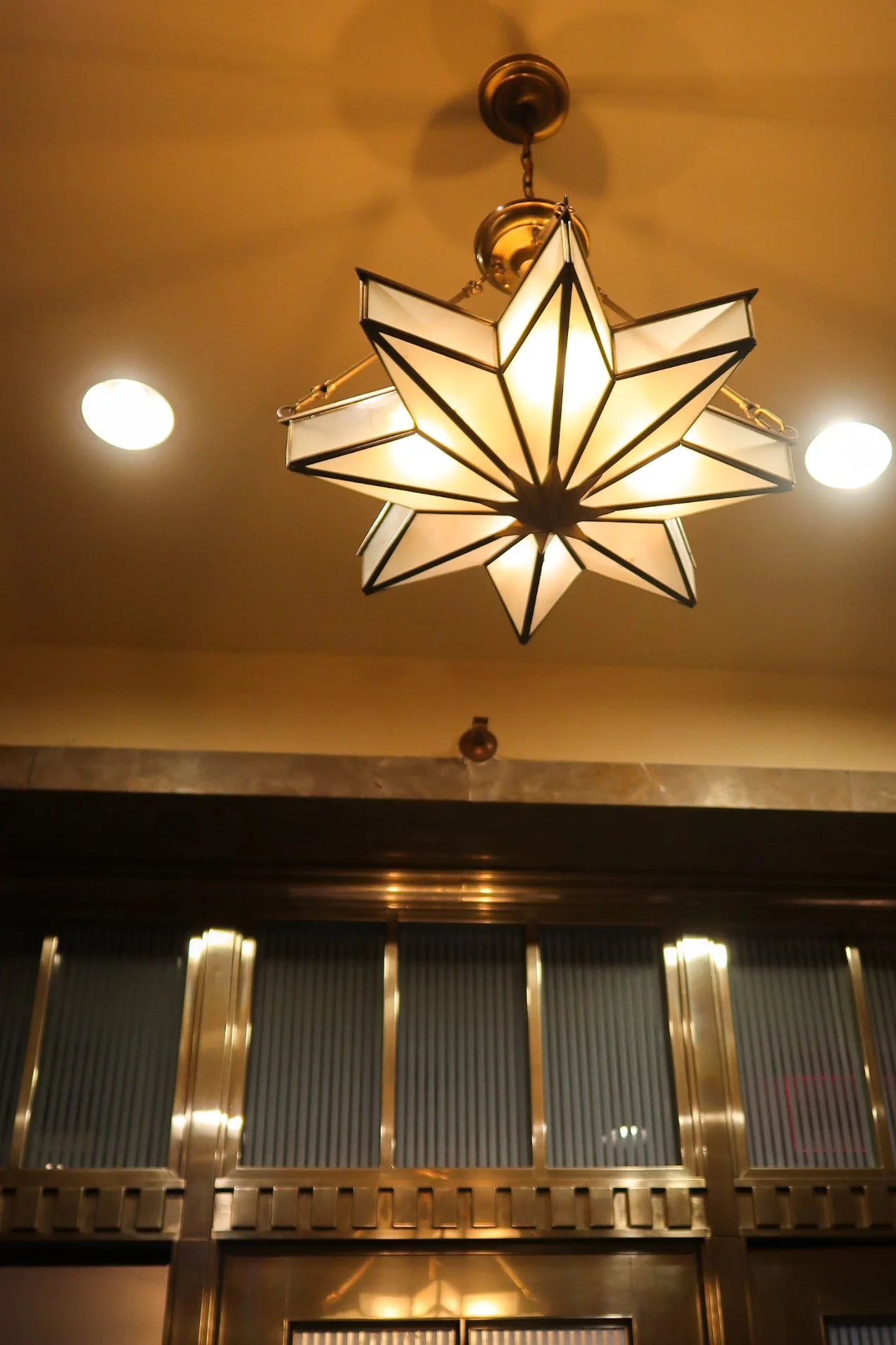
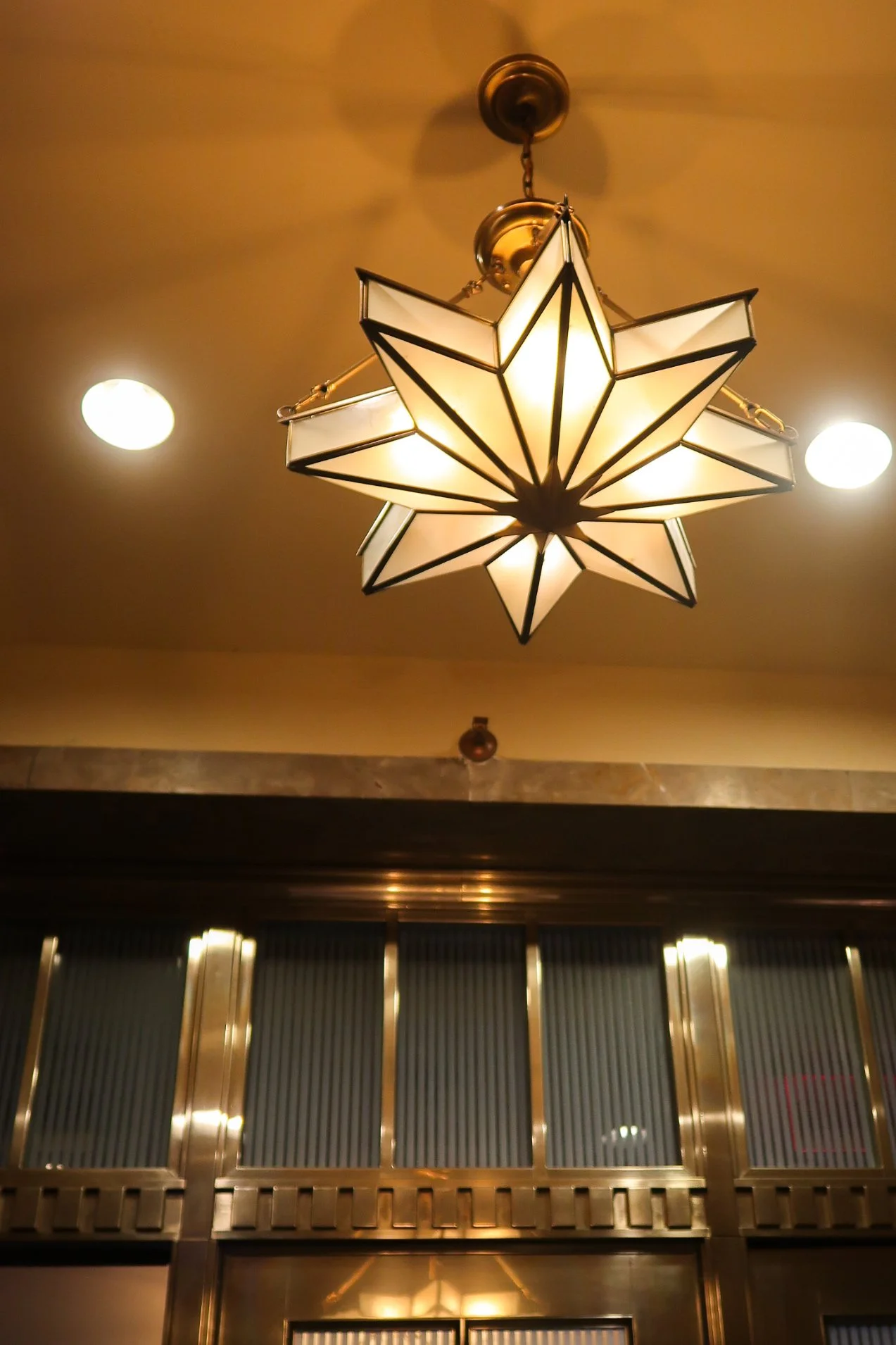
I loved the Moravian star light fixtures in the entrance, a fitting accent to the art deco interiors, and a nice tie into the Moravian community of Winston-Salem.
Spend a little time in the Living Room and you'll find books by Maya Angelou, who spent much of her life in Winston-Salem.
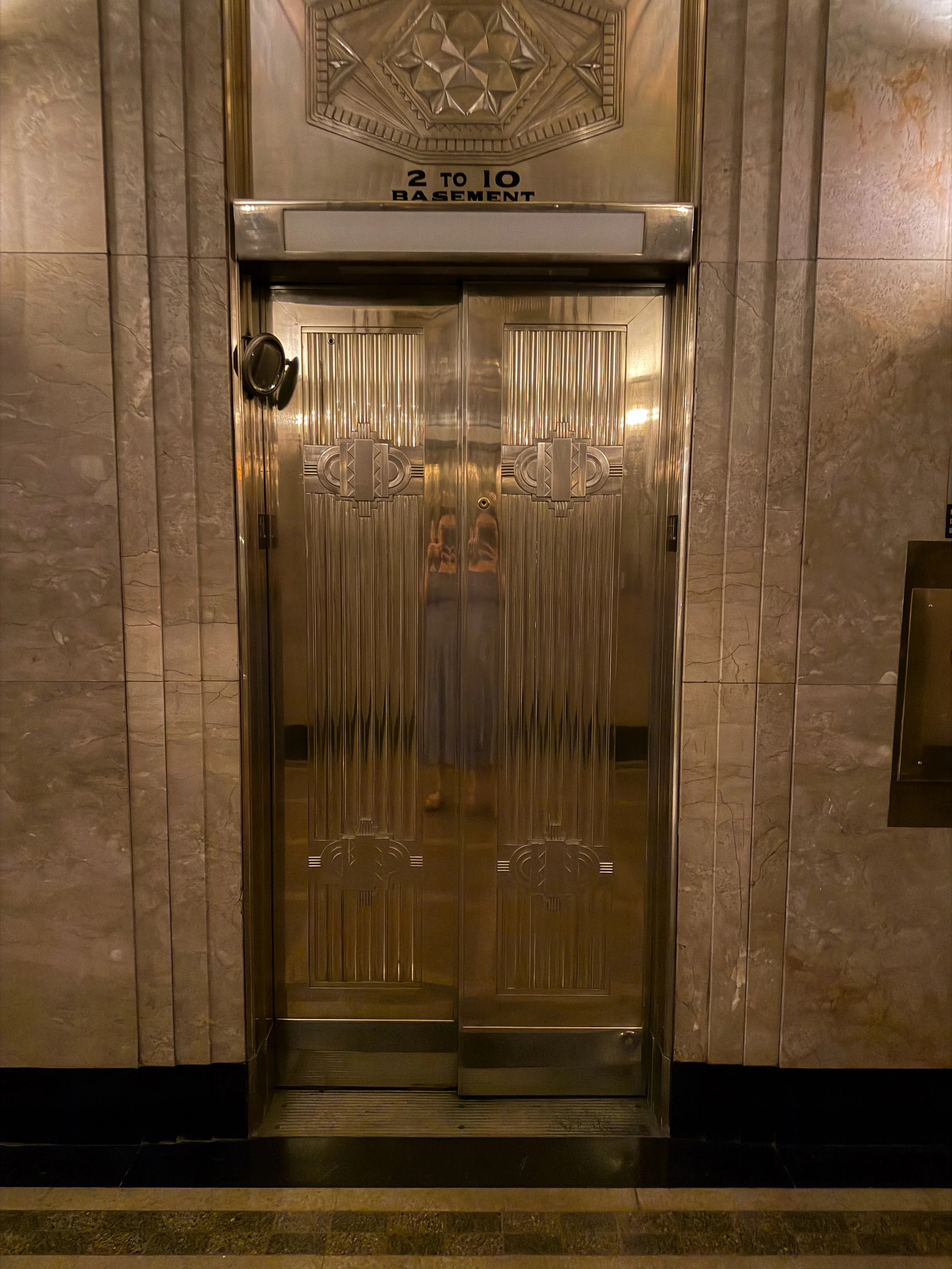
Carved woodem ceilings in the marble elevator lobby still have a tobacco leaf motif. Although the old company moved out in 2009. No smoking signs are in every room now.
Playful References to the Building's New Life
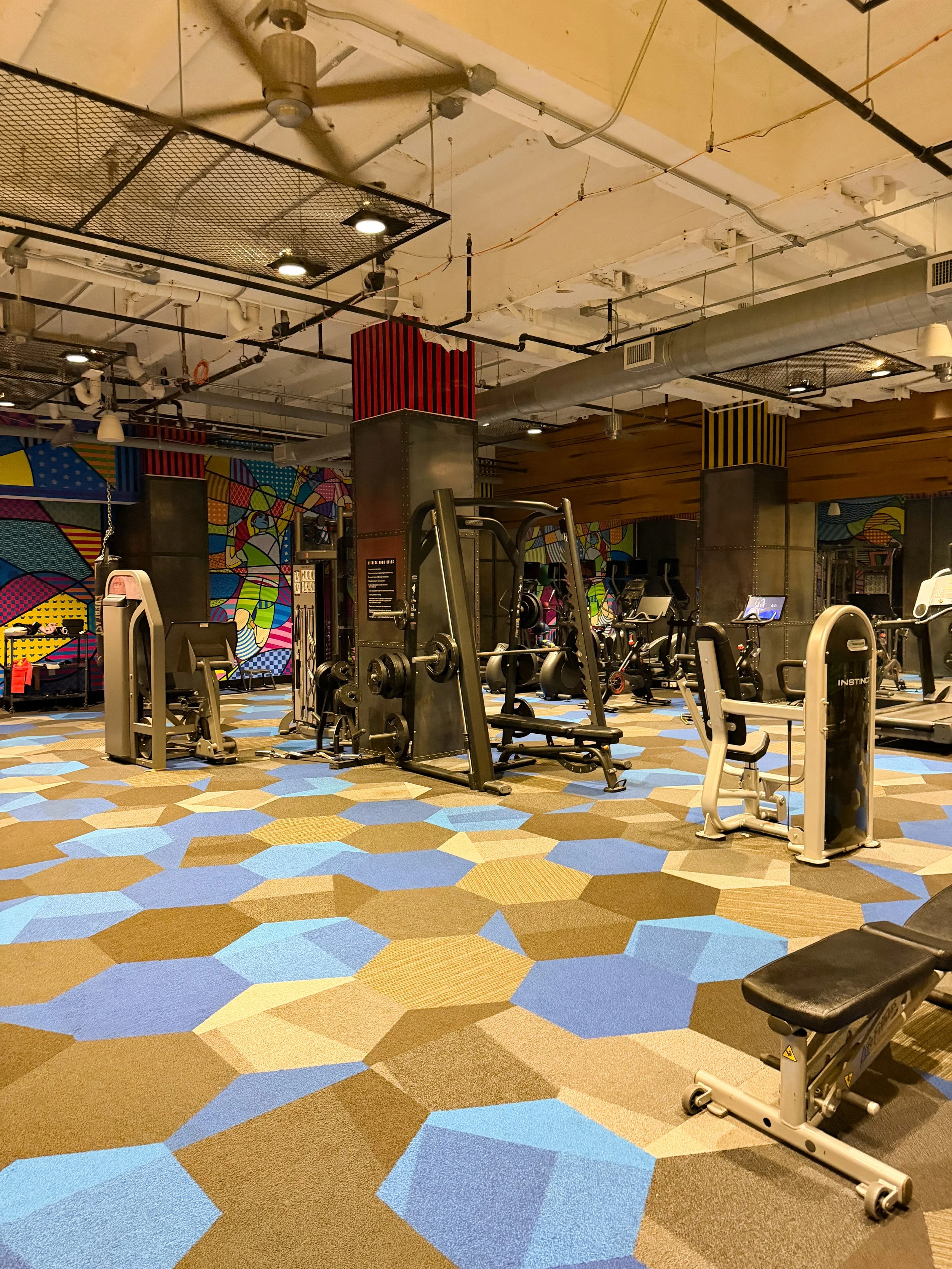
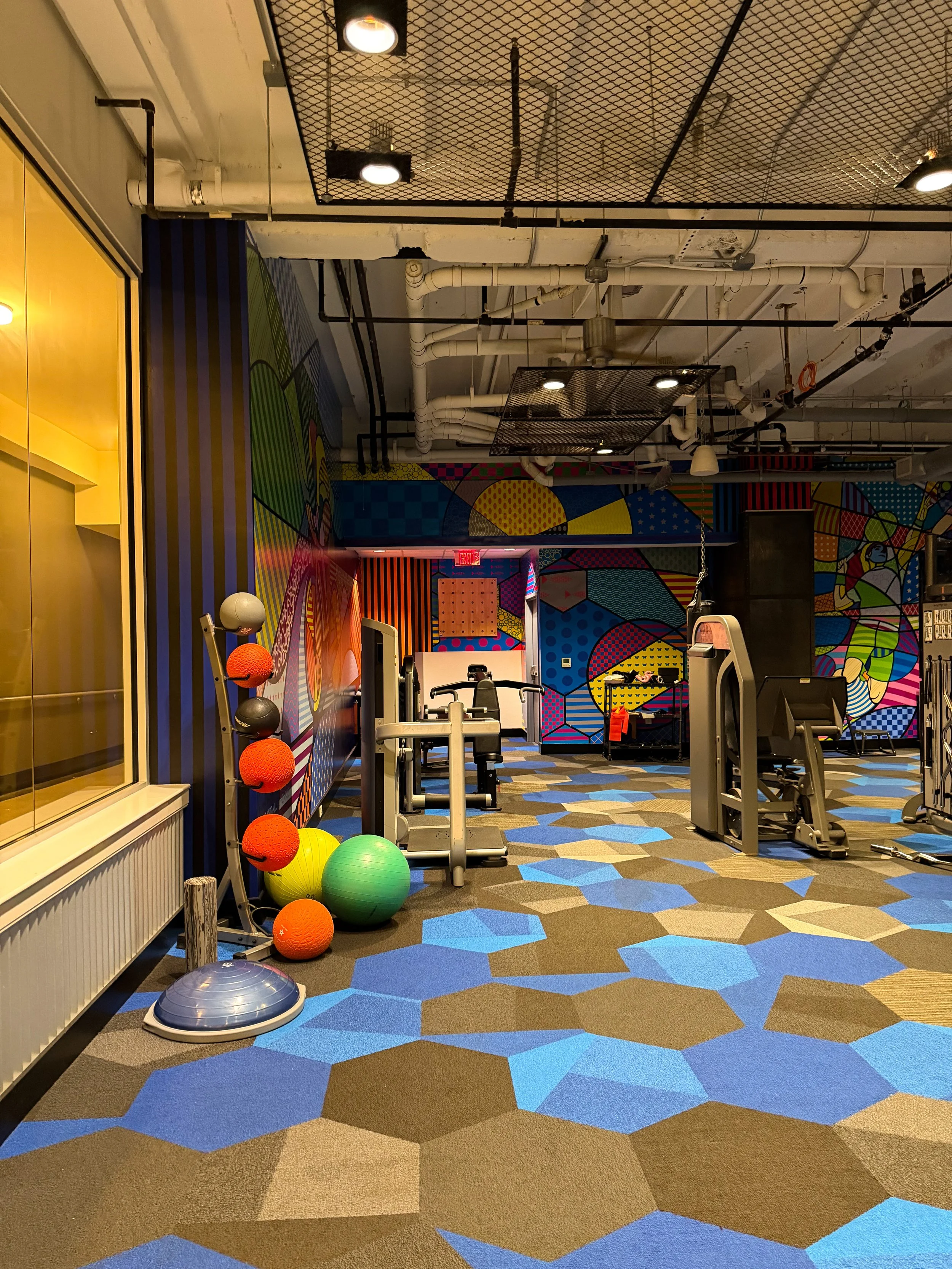
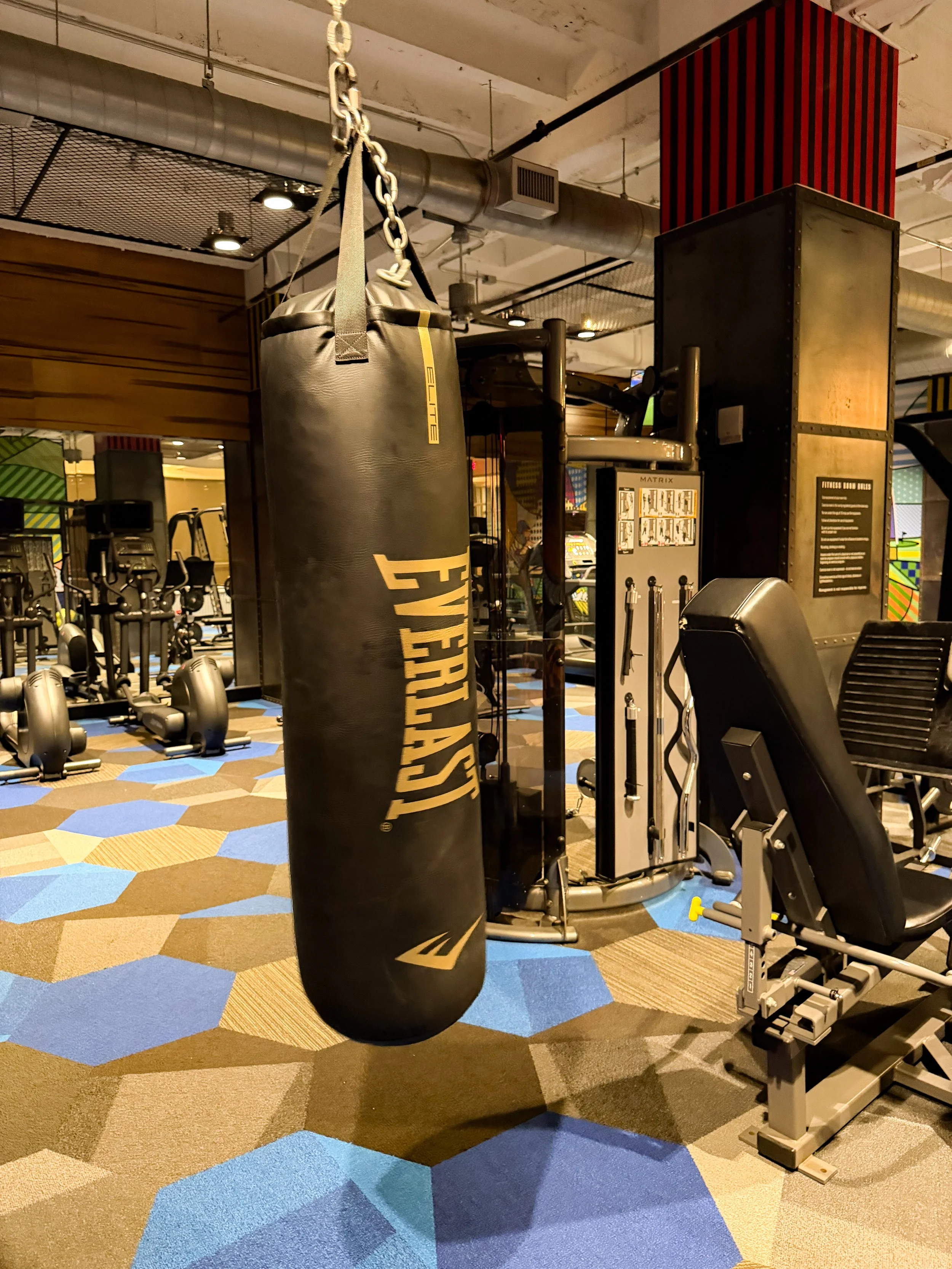
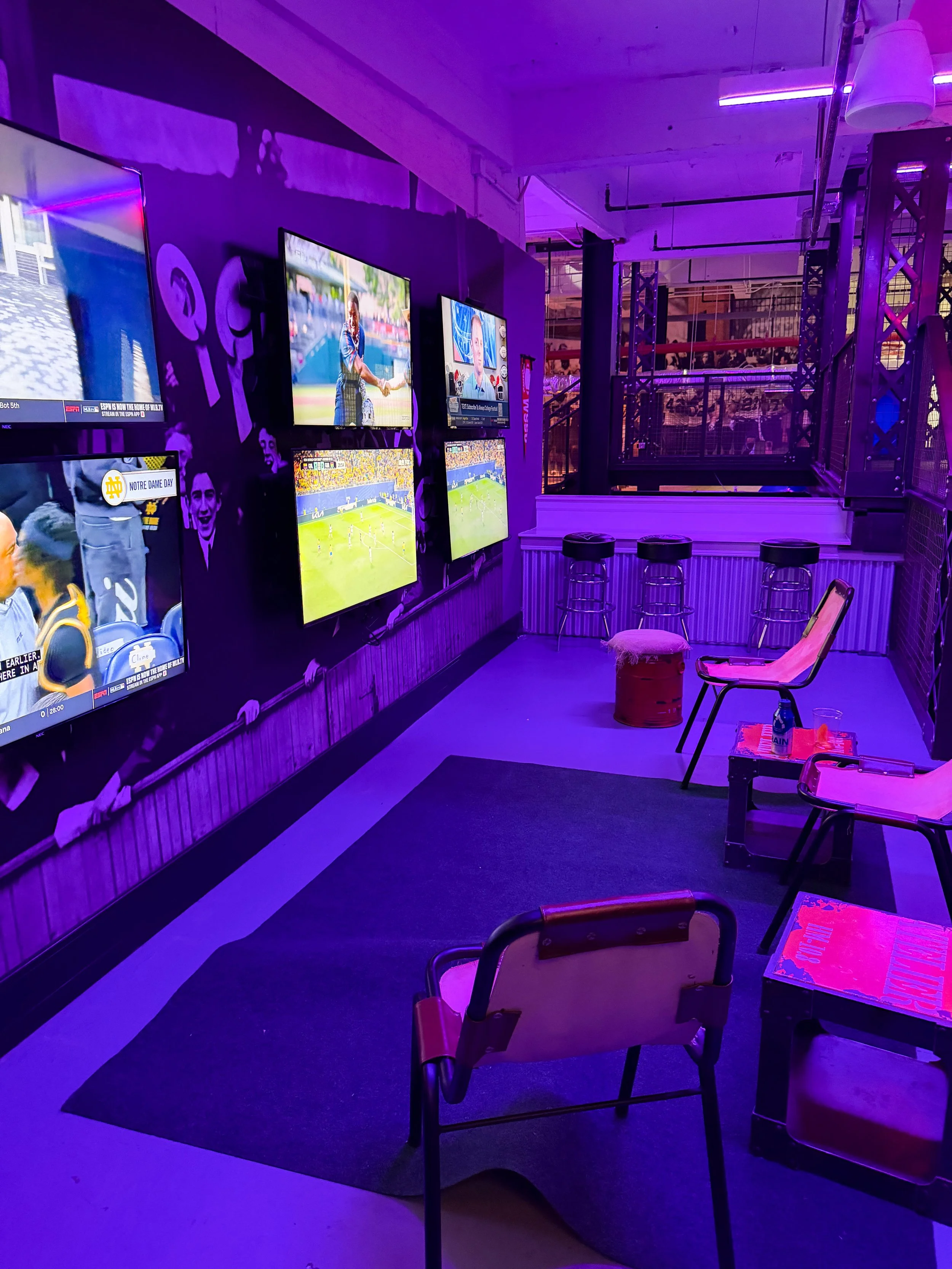
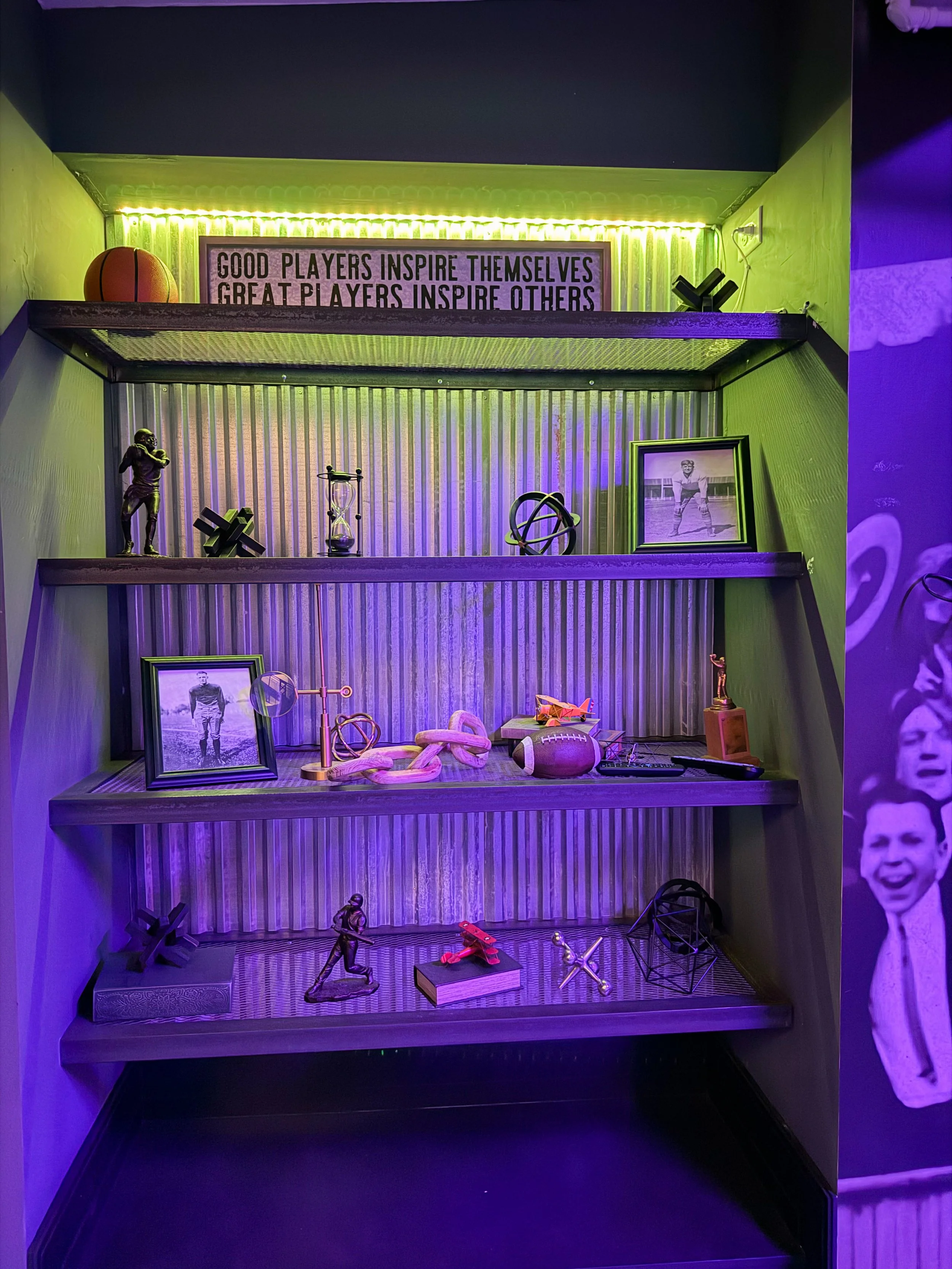
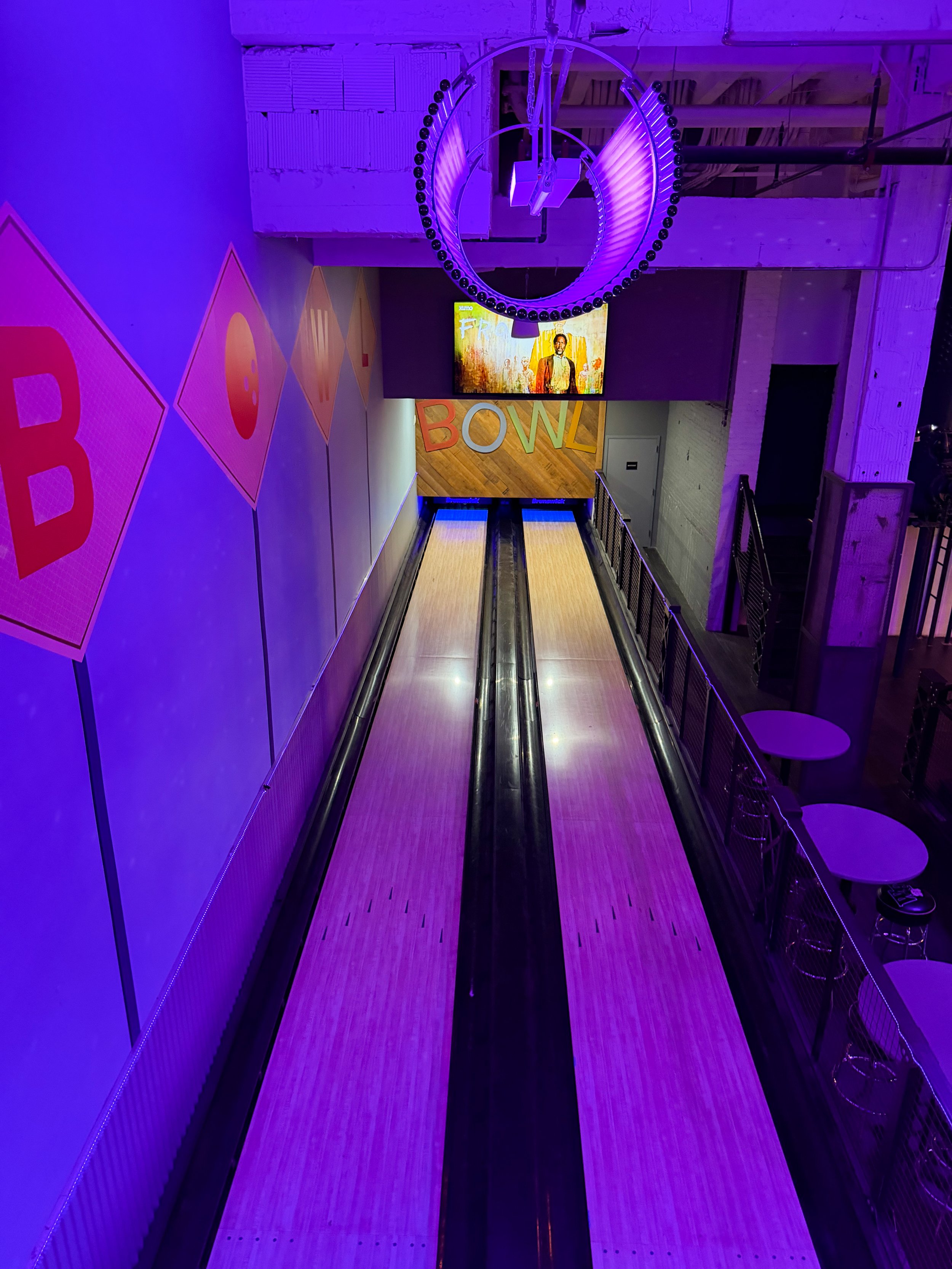
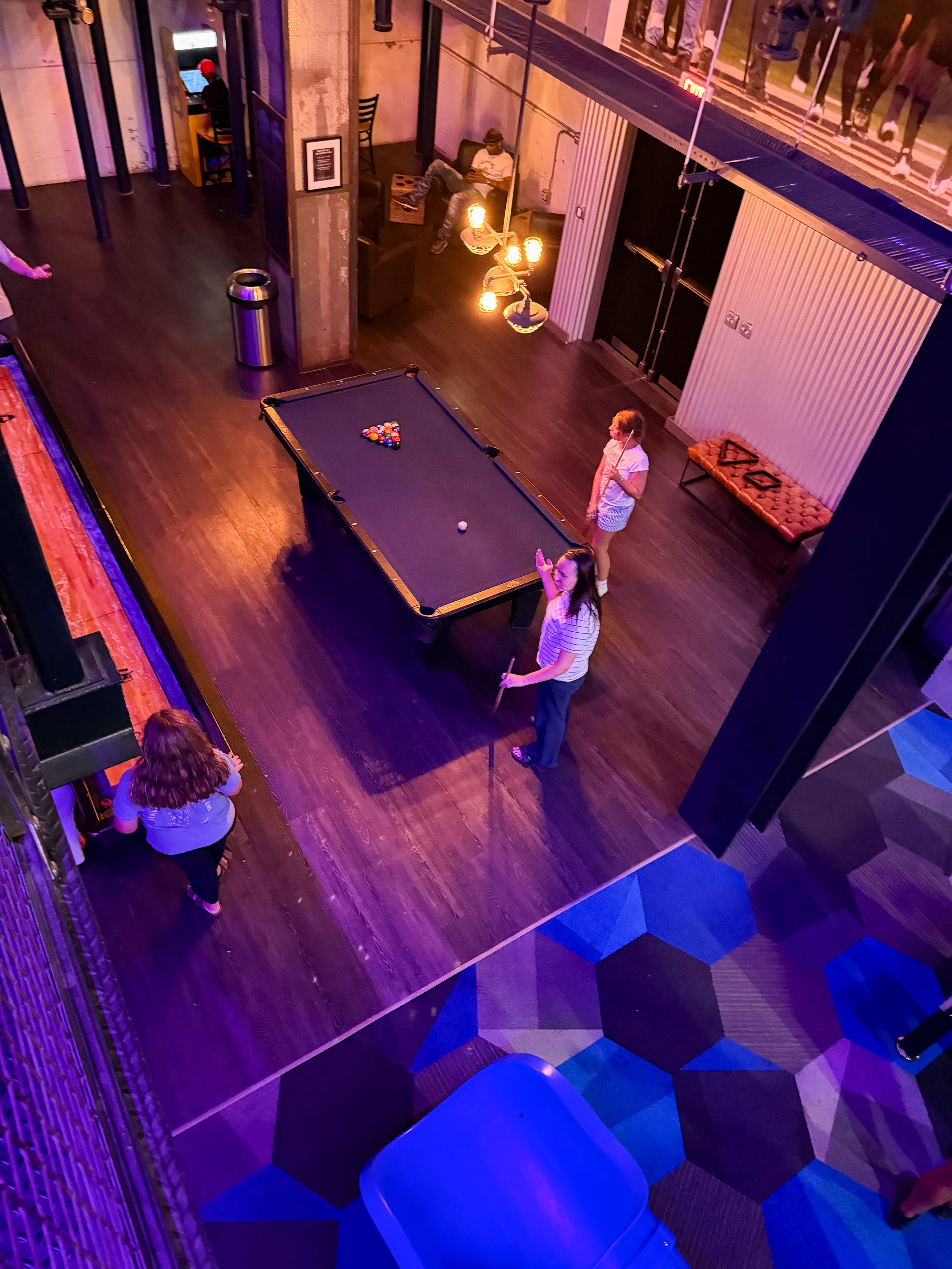
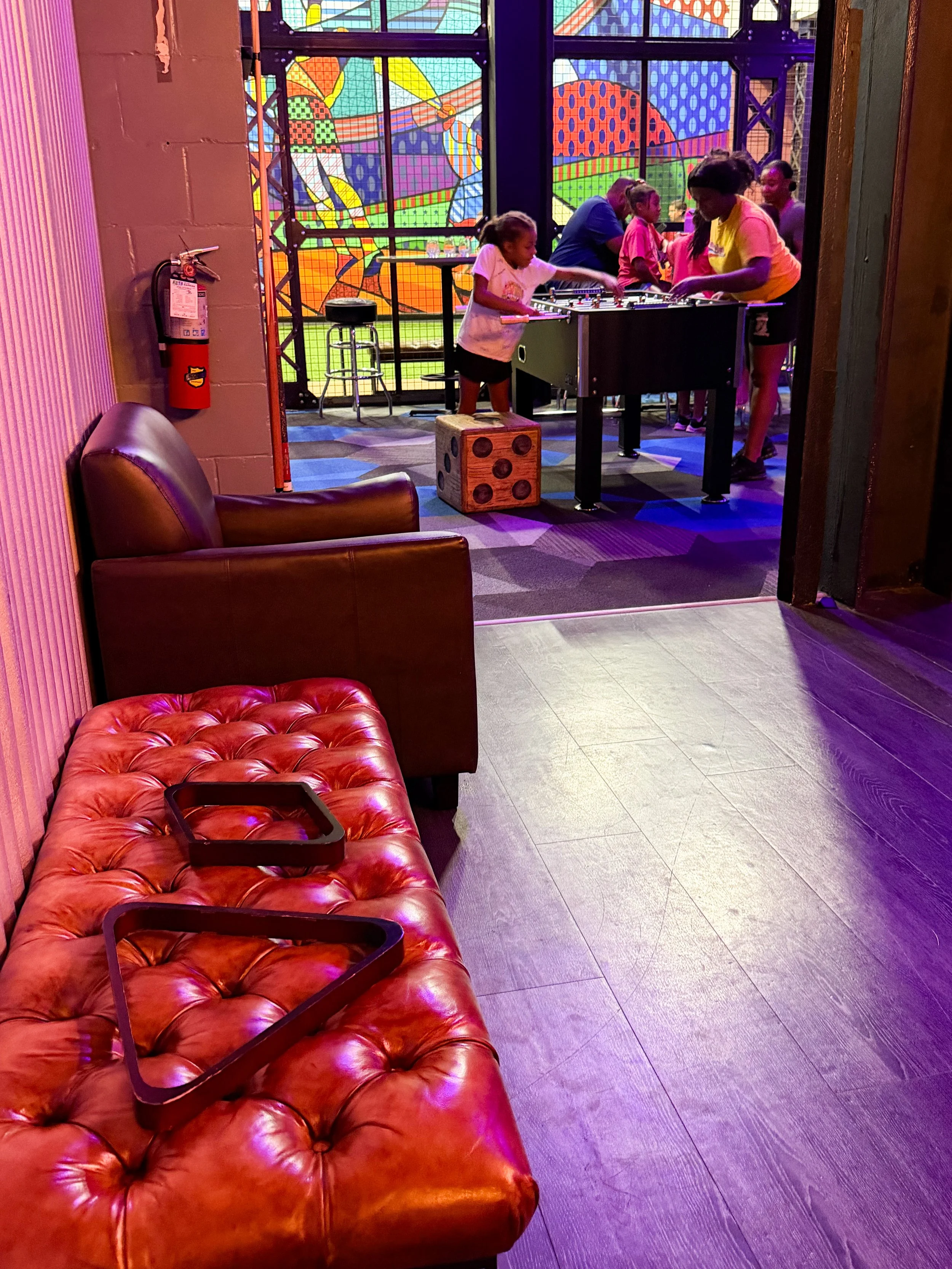
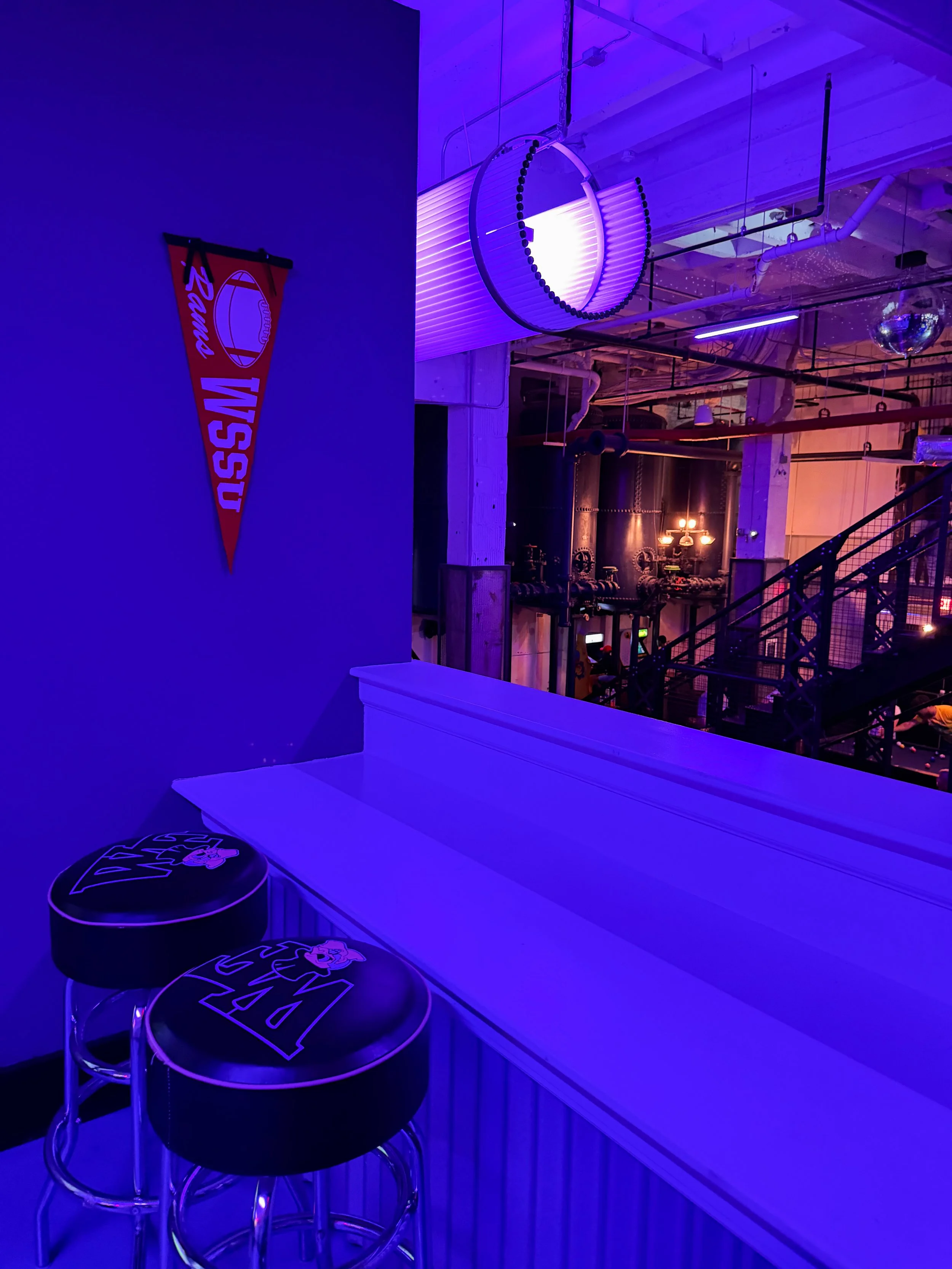
The basement Rec Room, with its two-story slide, bowling lanes, basketball court, ping-pong, and vintage-inspired games, is probably the biggest surprise in the building. There's something wonderfully bizarre about finding a playspace like this beneath one of North Carolina's most important historic skyscrapers. Historic buildings can evolve, even in an very unserious way, while still respecting their past.


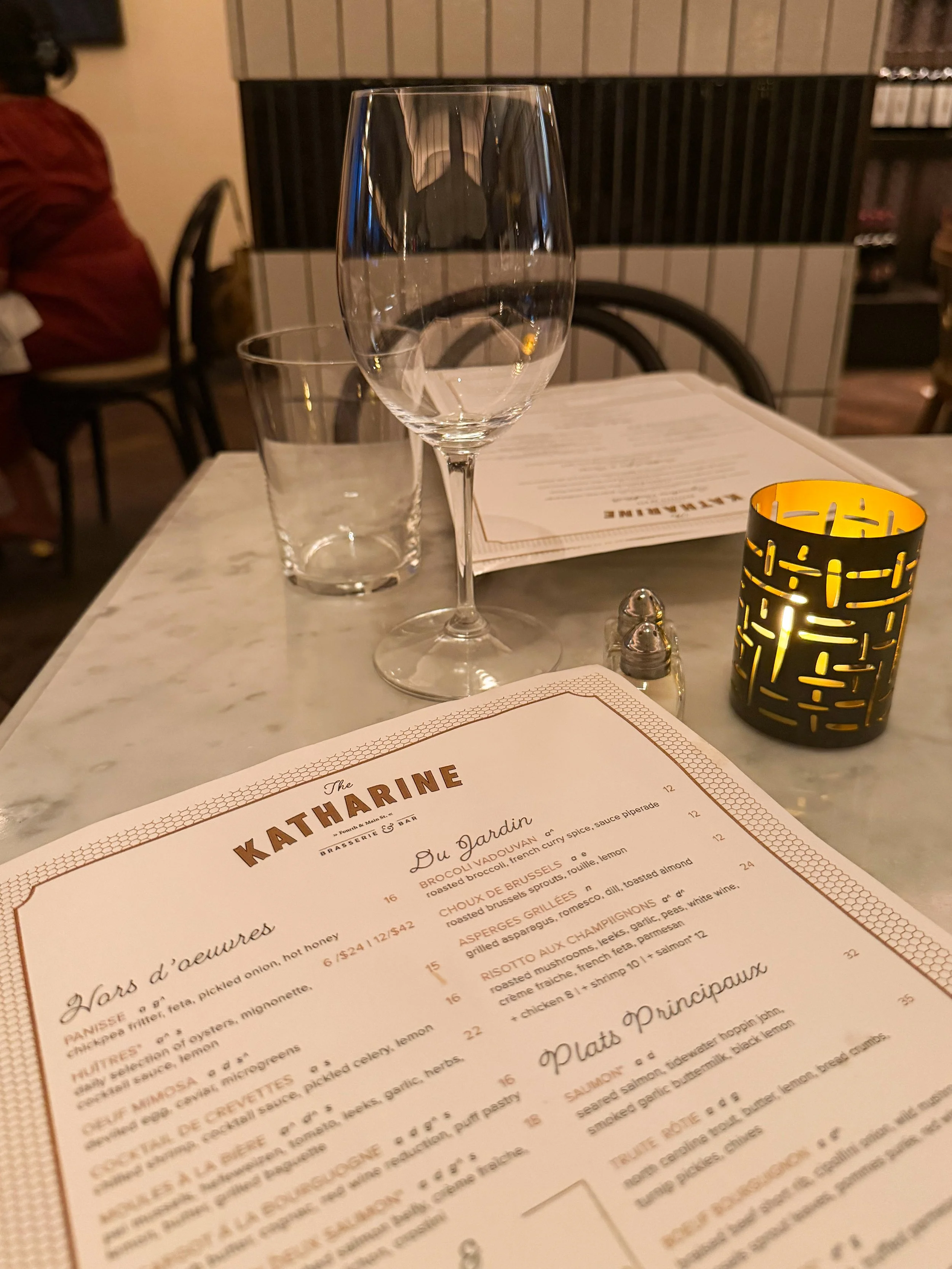
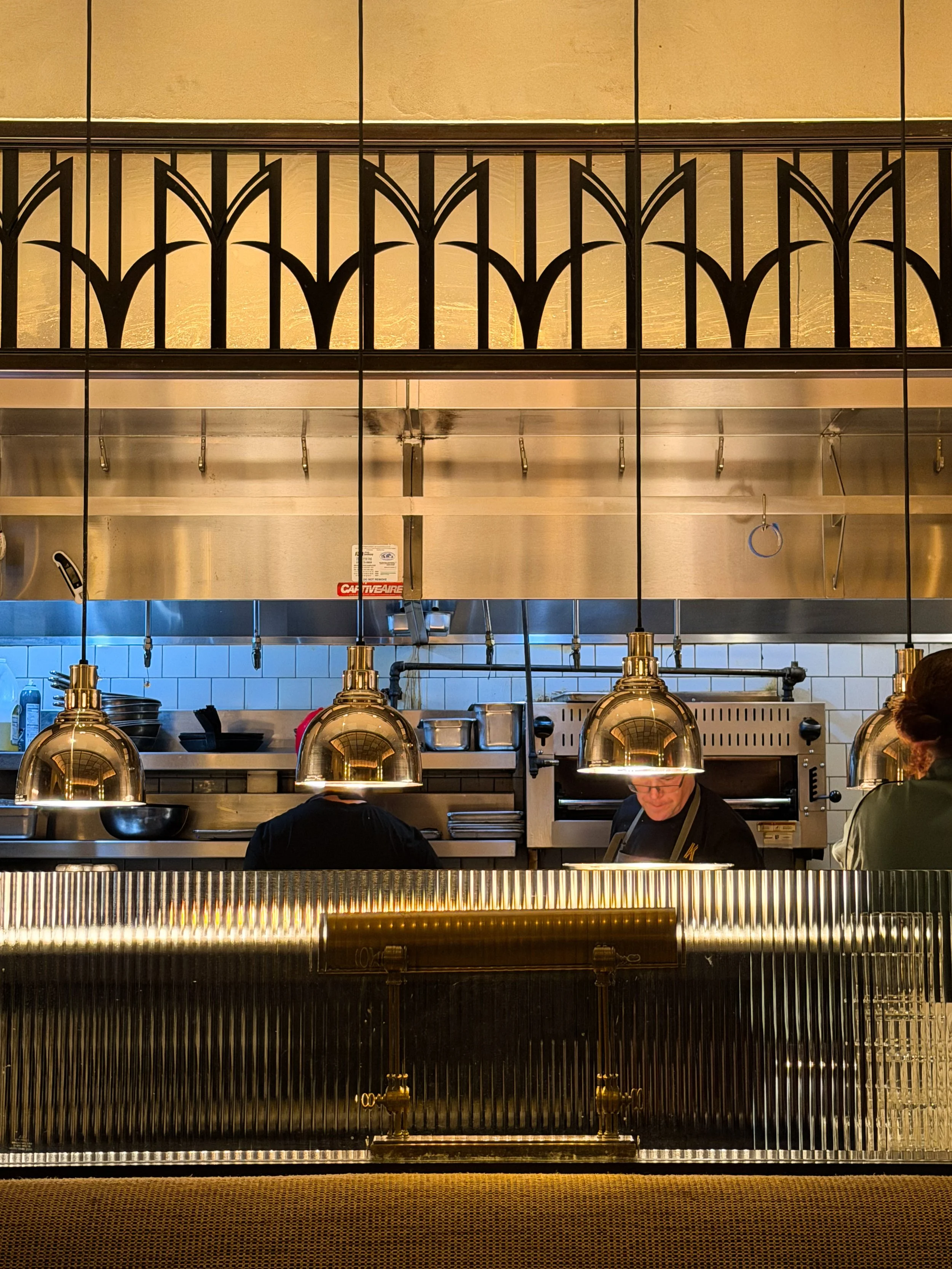
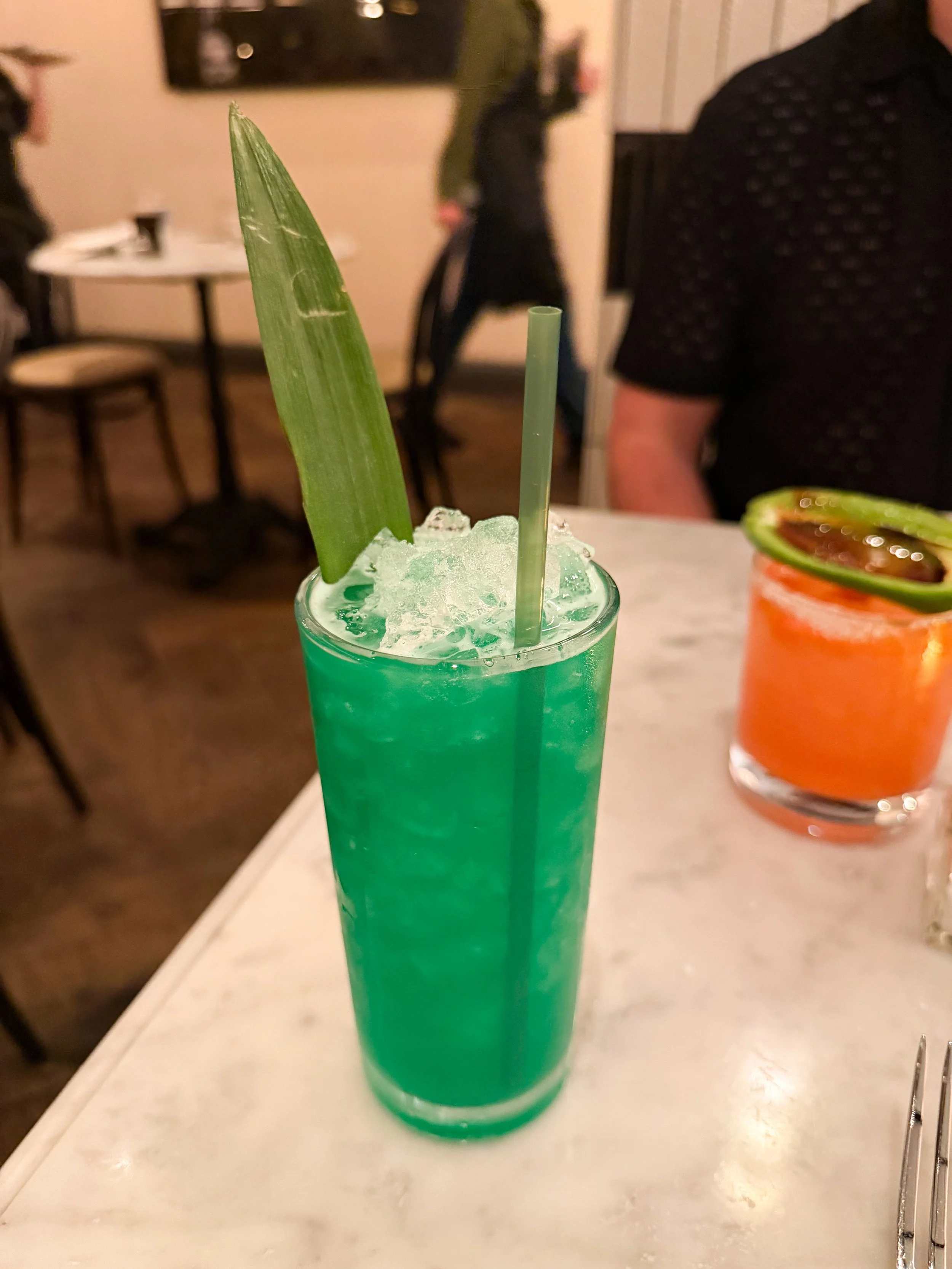
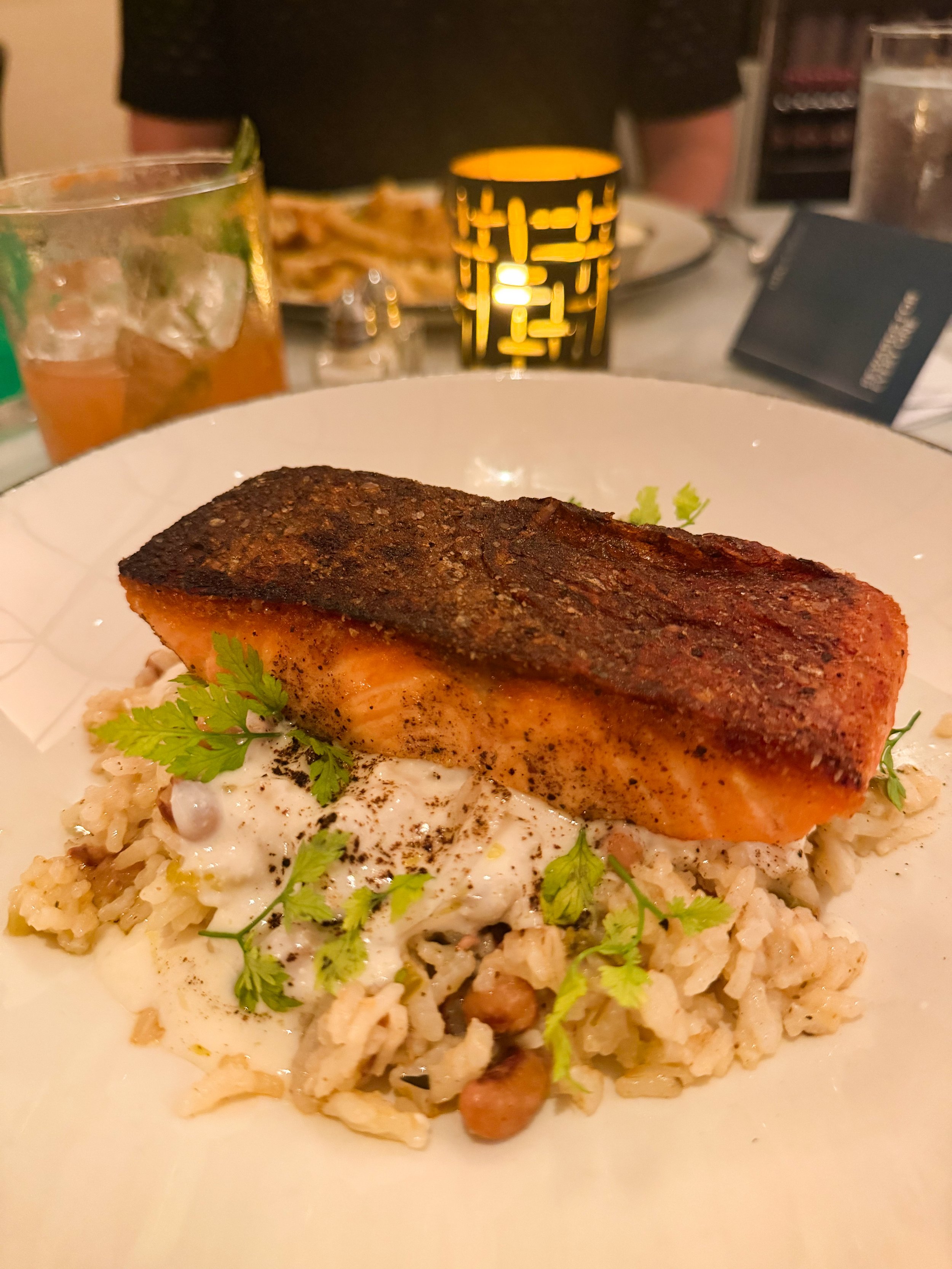
The Katharine
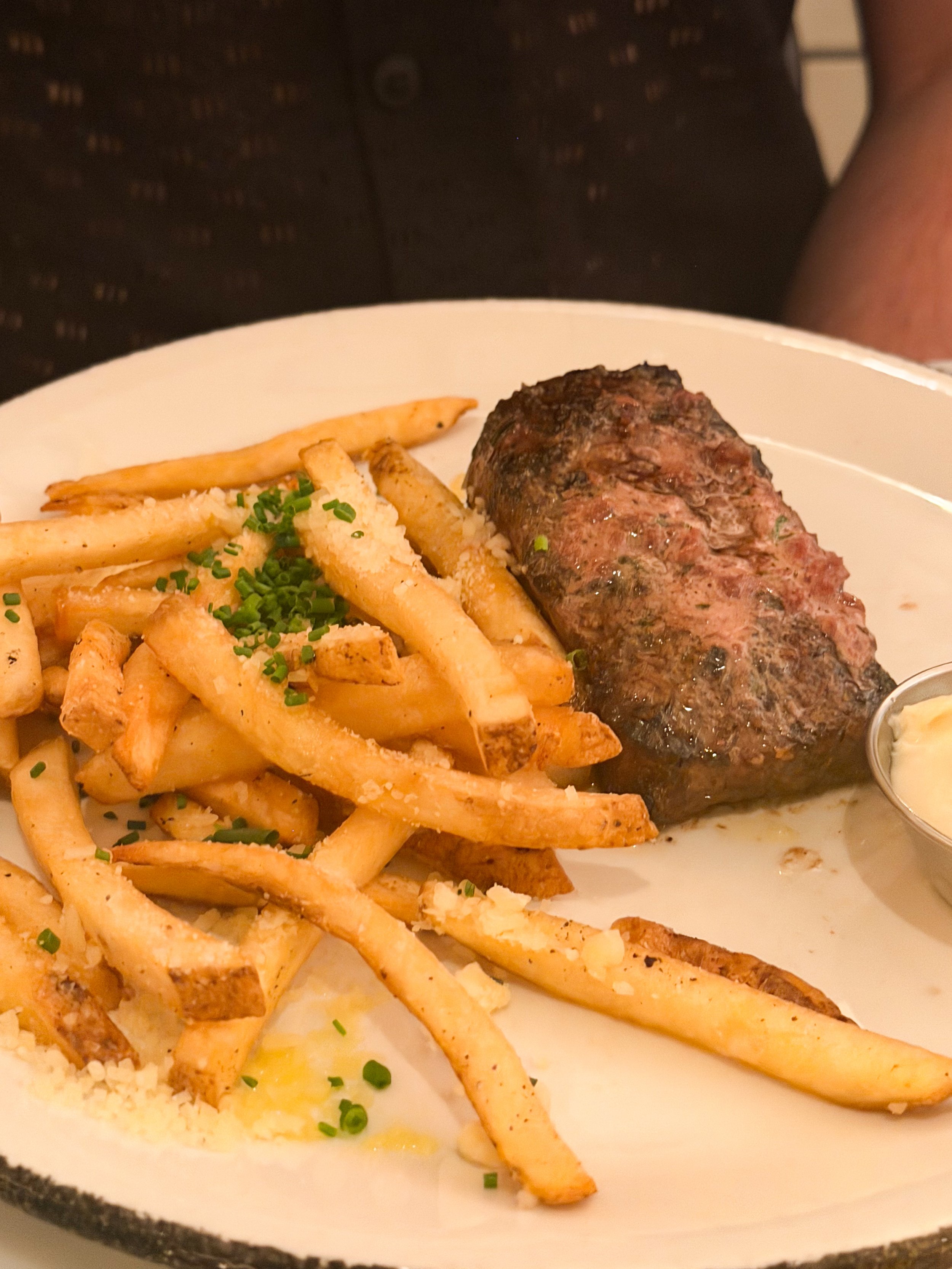
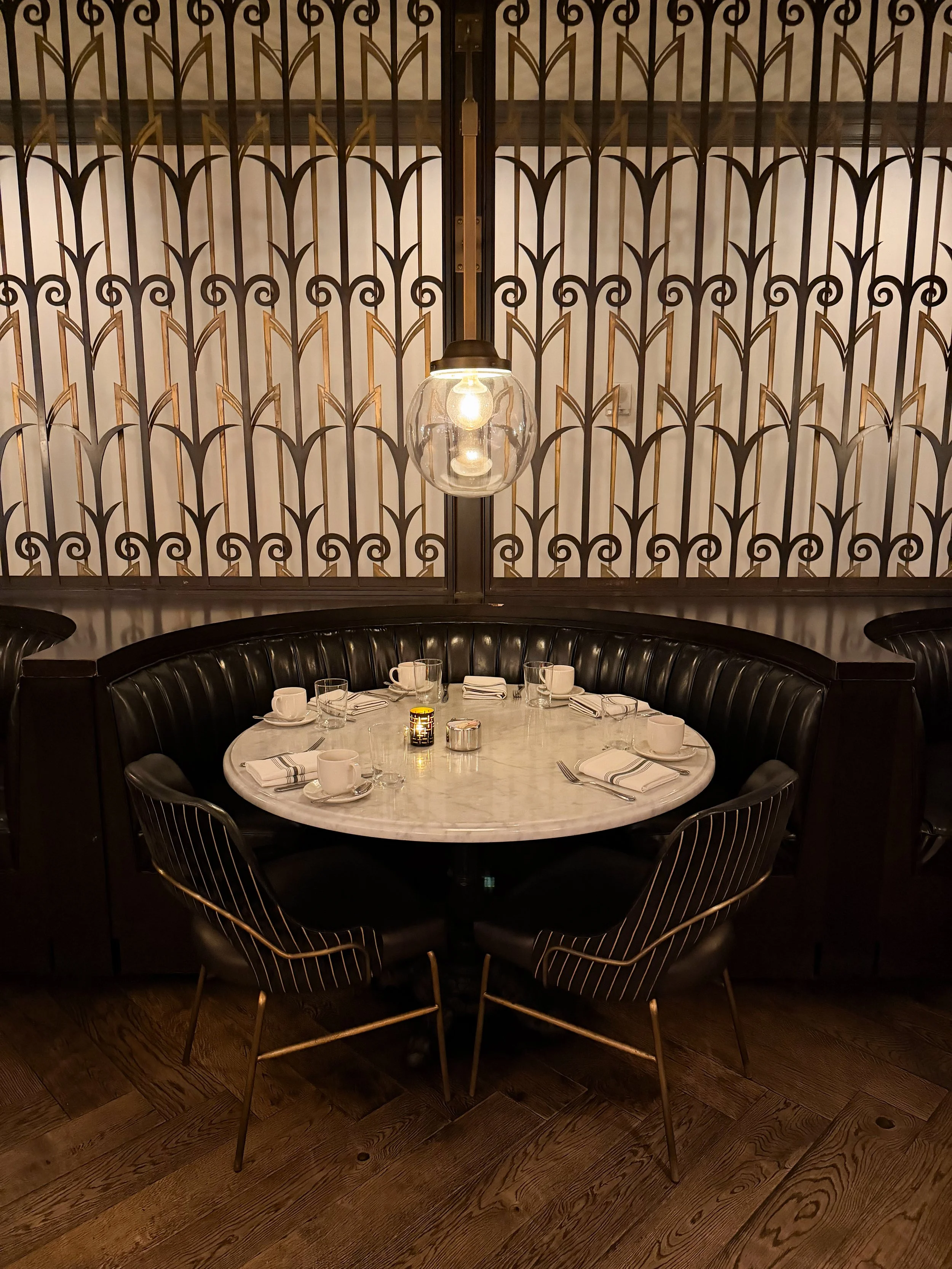
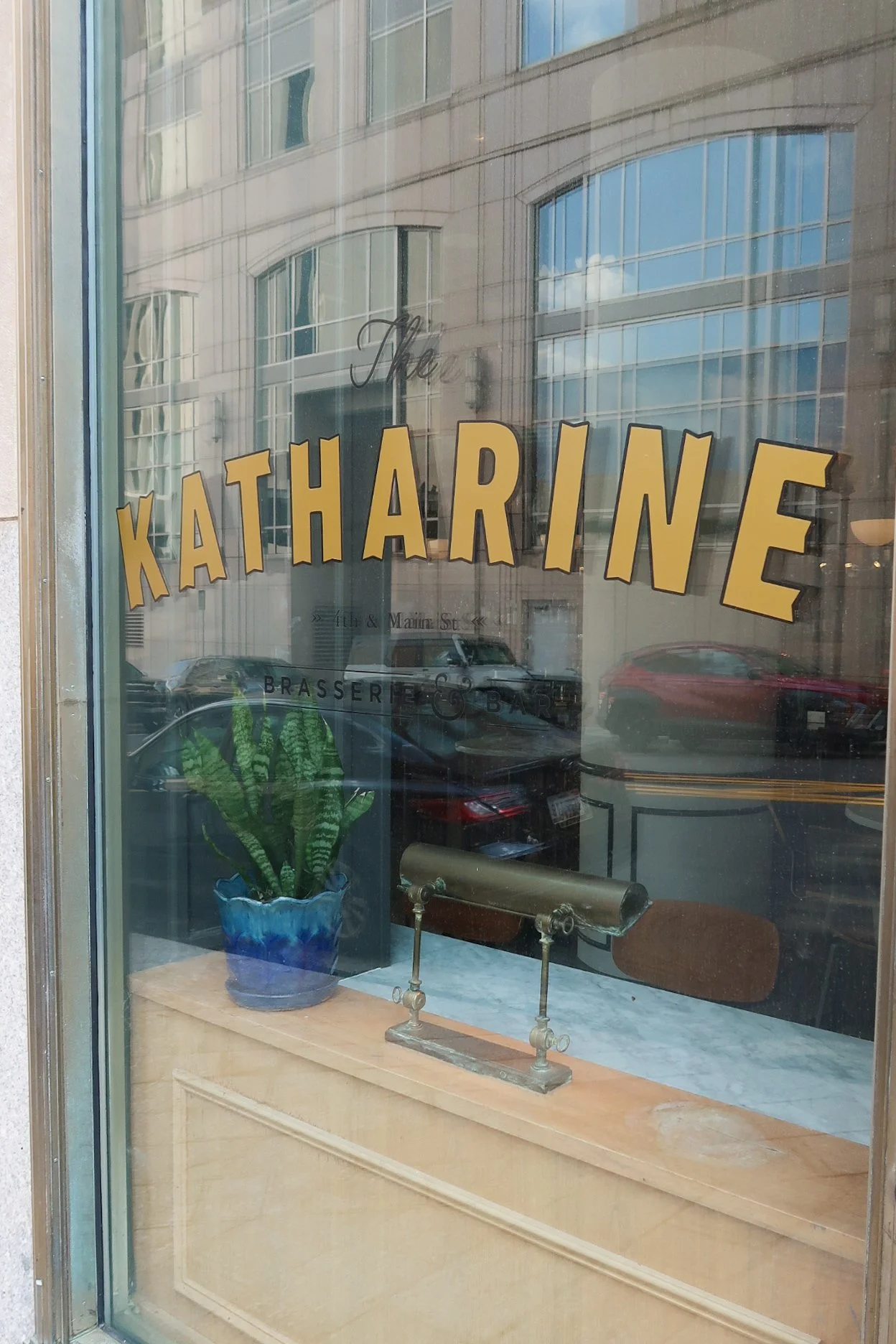
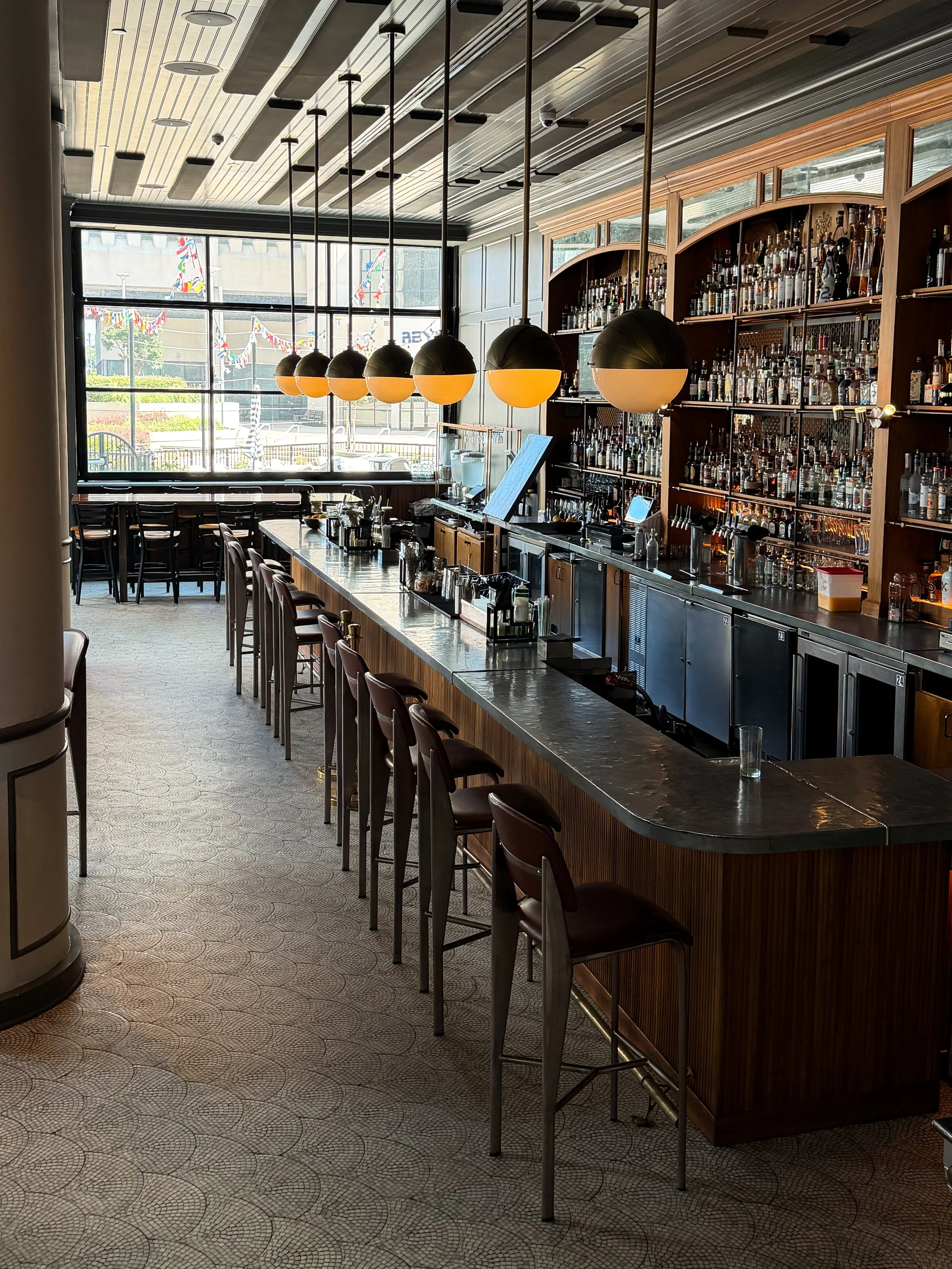
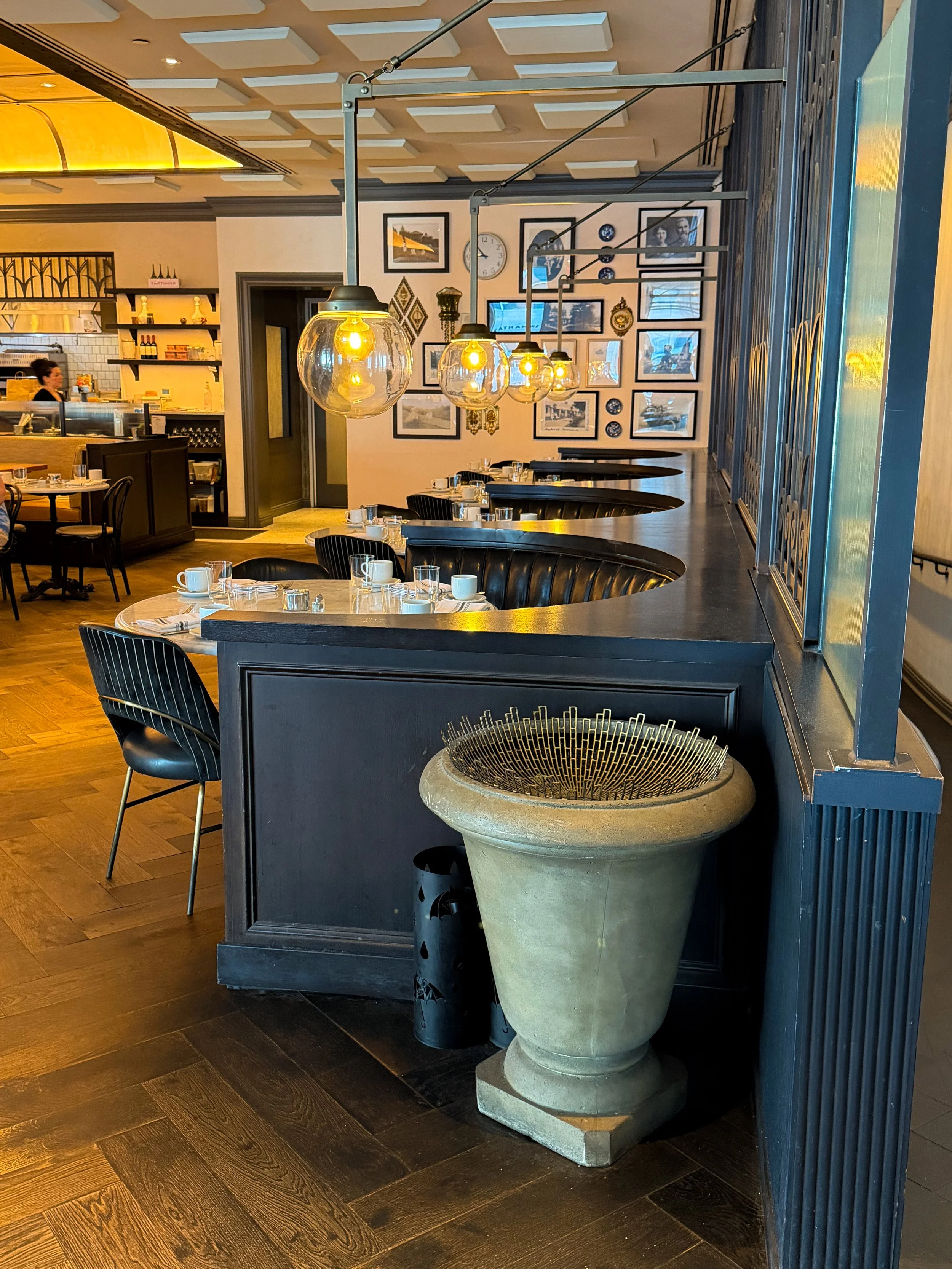
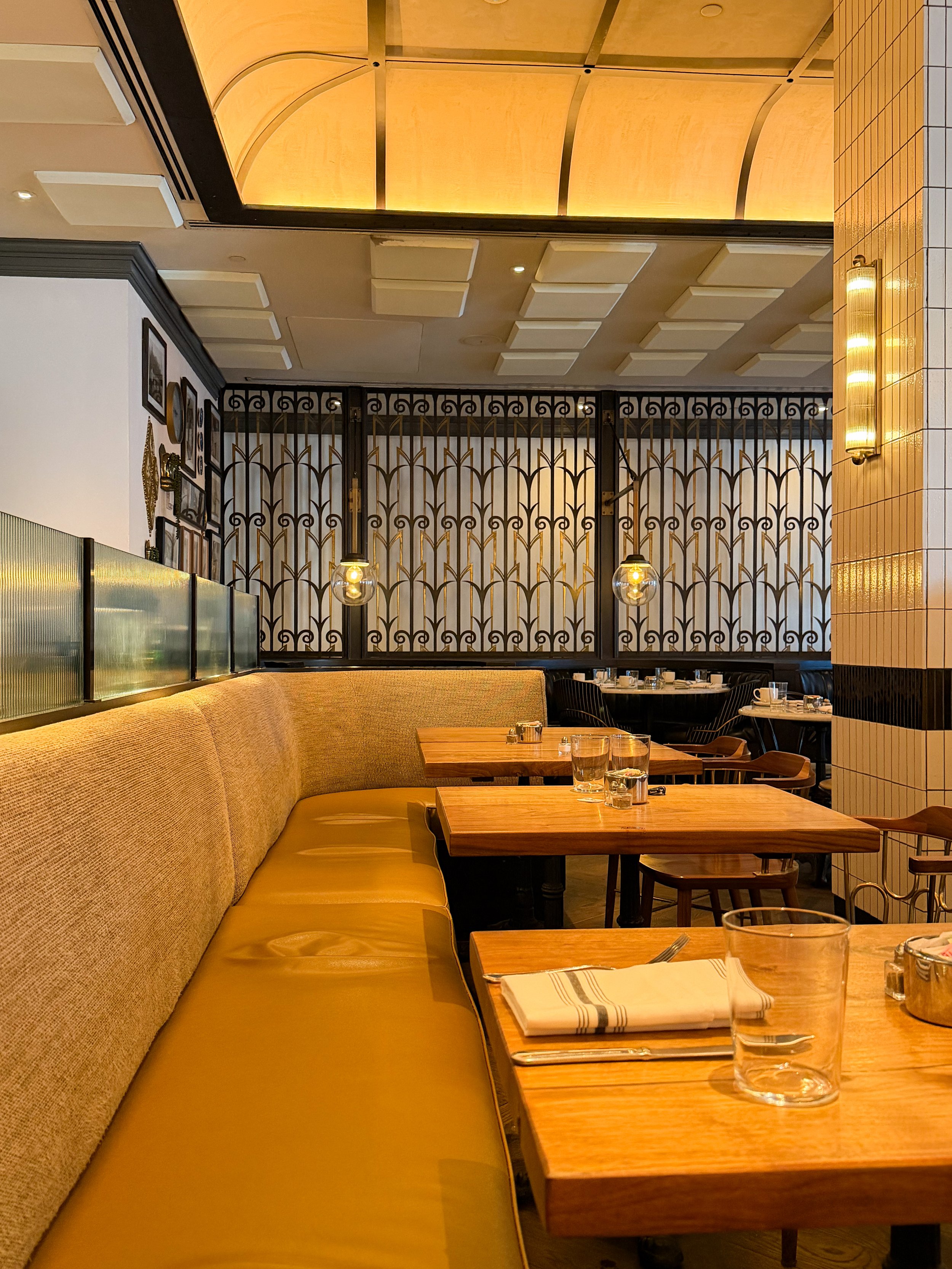
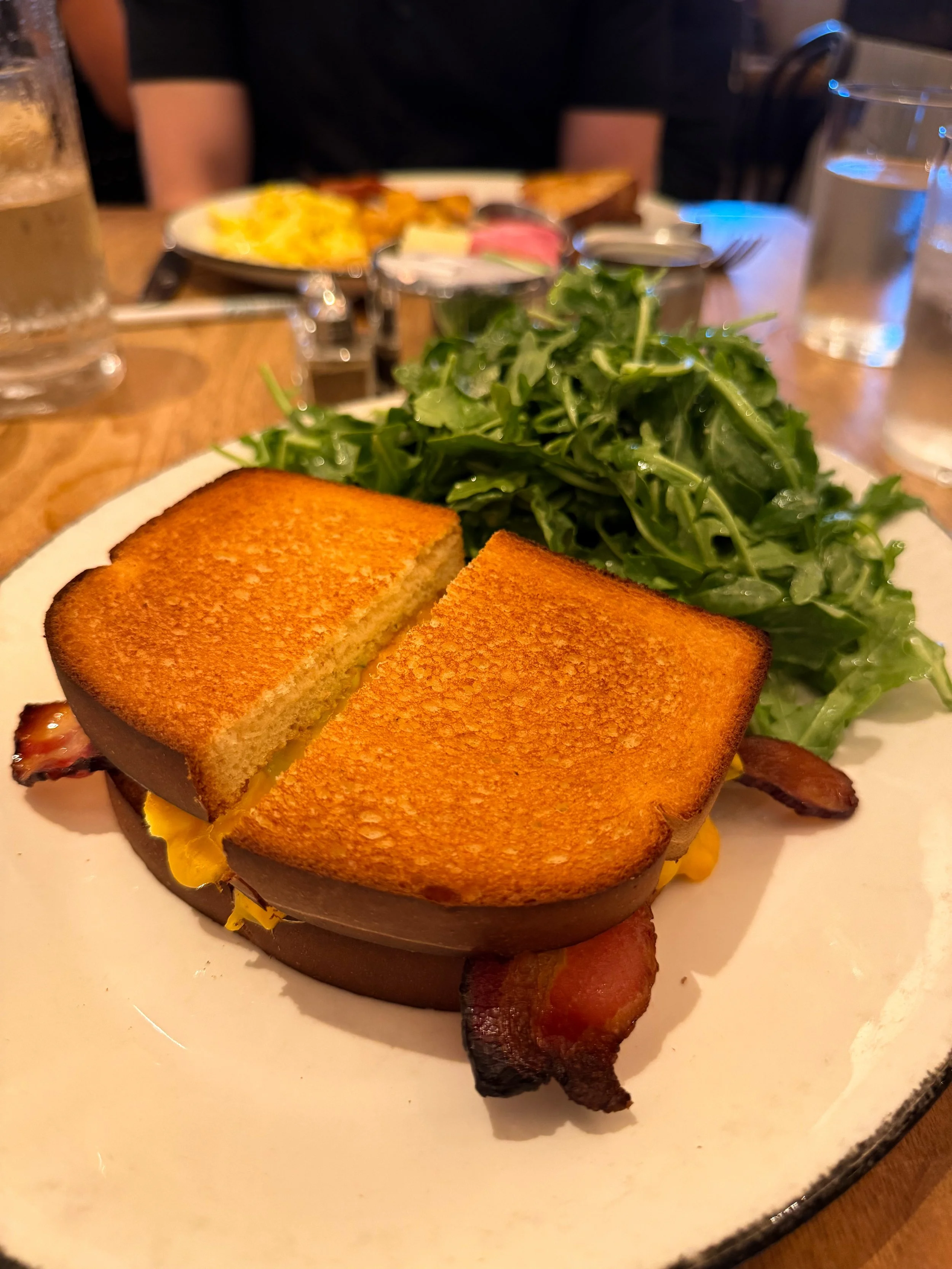
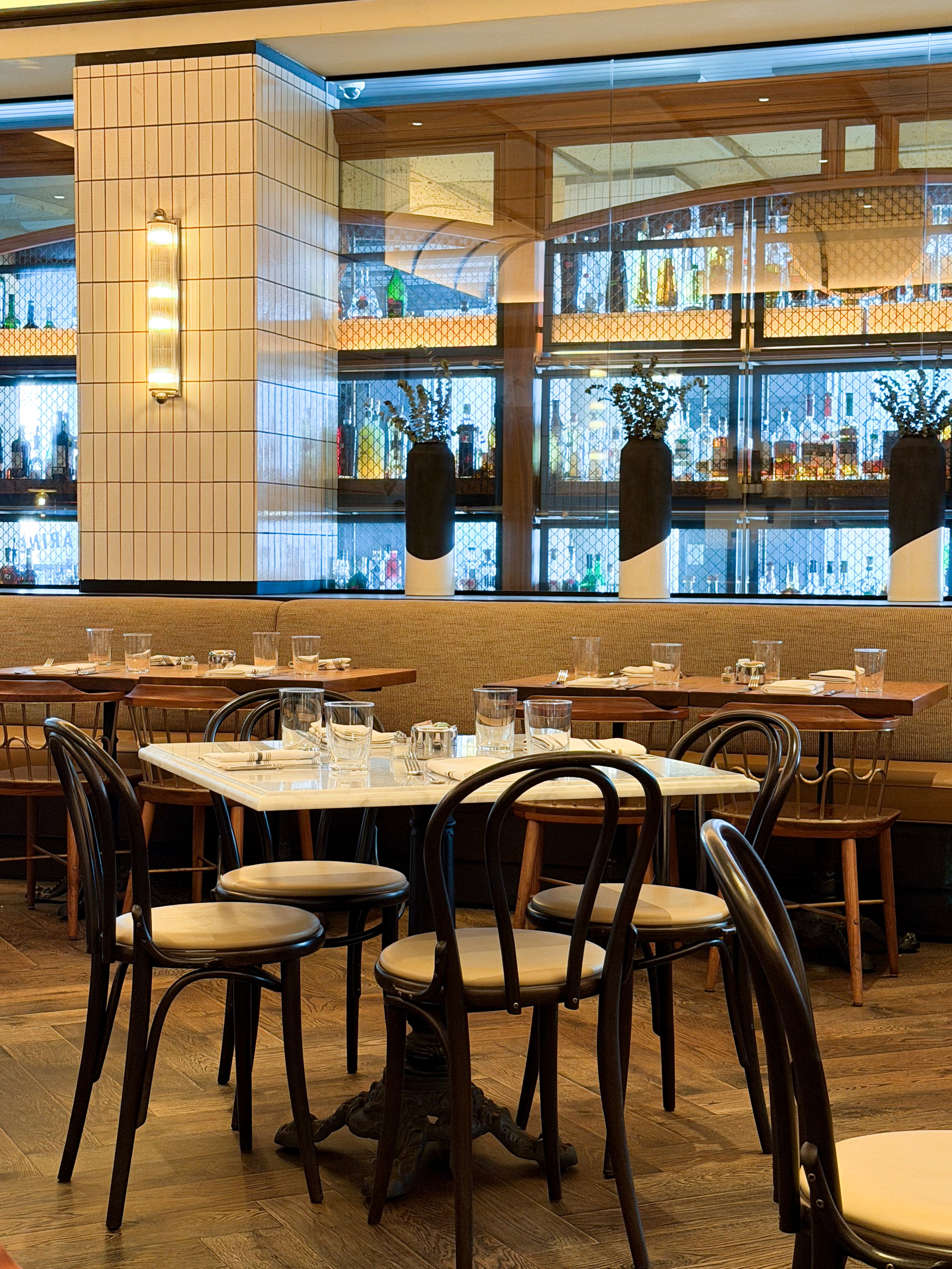
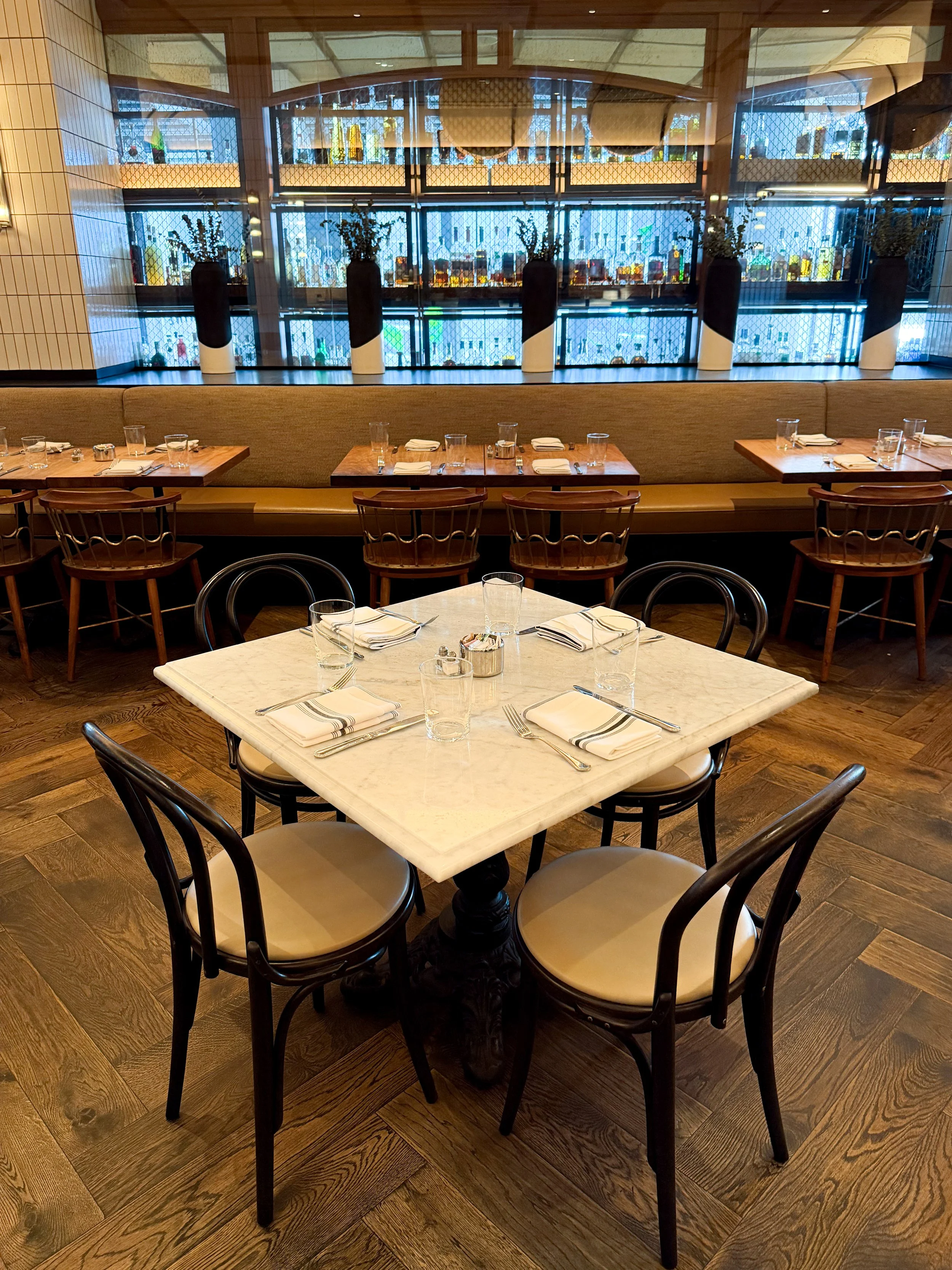
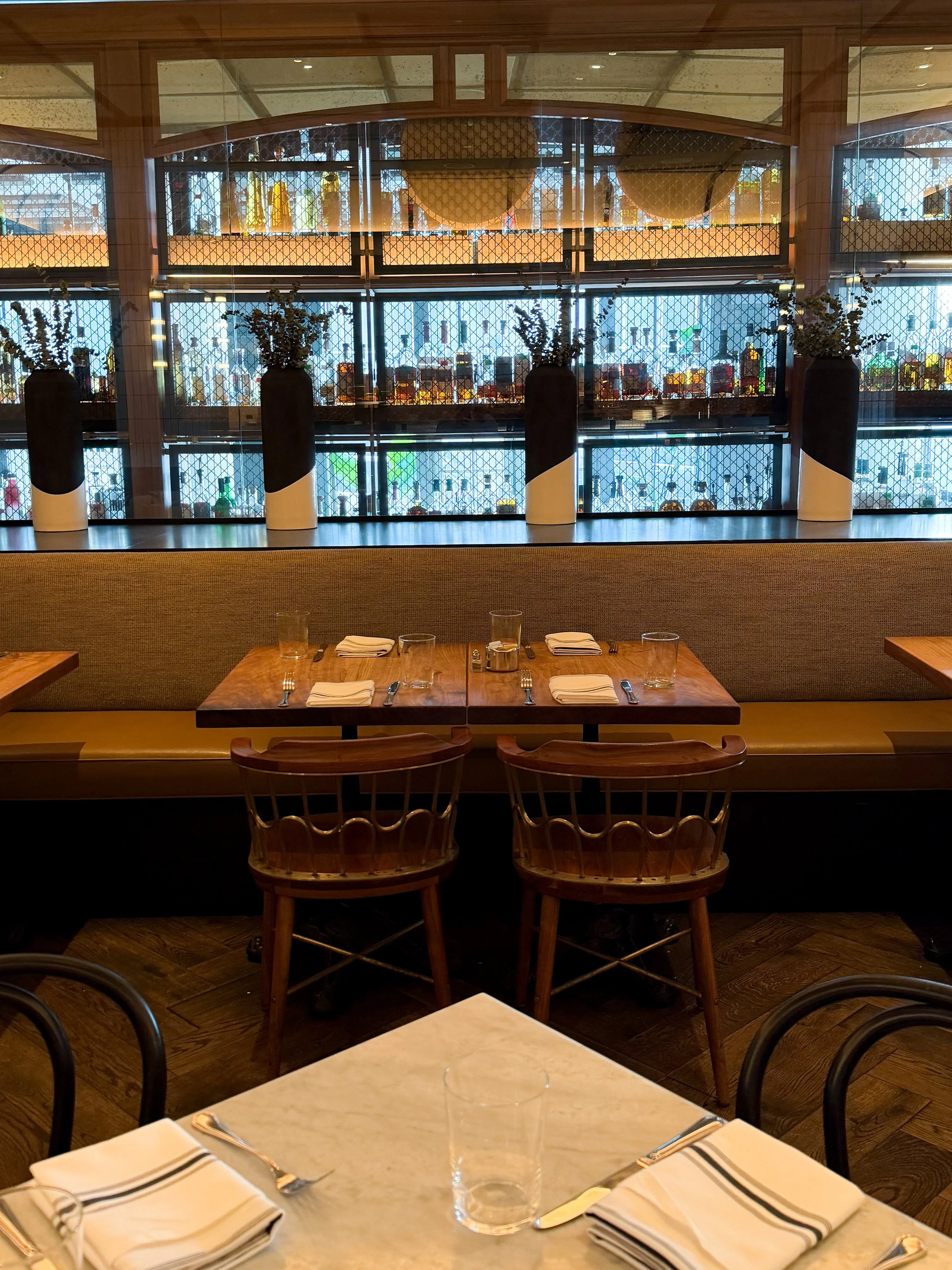
Even the hotel's restaurant tells part of the building's story. The Katharine is named for Katharine Smith Reynolds, the wife of R.J. Reynolds. Naming the restaurant after her is a thoughtful way of recognizing someone who helped shape the city beyond the tobacco industry with her philanthropy.

Exclusive Perks for Chase Sapphire Reserve Members
Kimpton Cardinal Hotel is part of The Edit by Chase Travel, a curated collection of design-forward, experience-driven hotels available to Chase Sapphire Reserve cardholders. Book through Chase’s luxury travel platform and enjoy premium benefits like room upgrades (when available), daily breakfast credits, $100 property credit, welcome gift, late checkout.